Skip to content
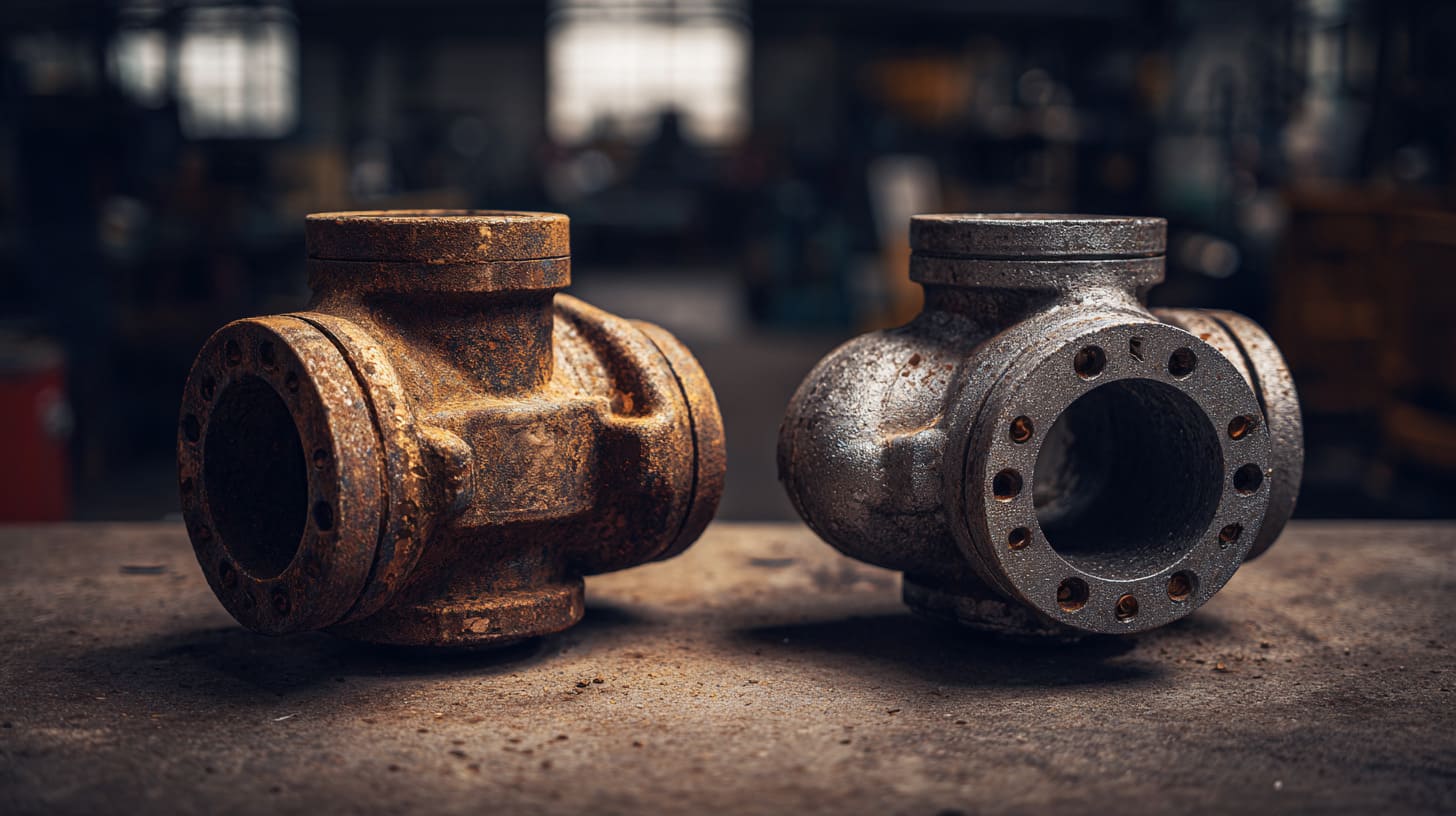
Problems with stainless steel parts rarely show up on a drawing.
They show up later—during installation, after exposure, or when a product is already in the field and someone asks why a “durable” component doesn’t look durable at all.
I’ve seen this pattern many times.
The structure is correct. The dimensions pass inspection. The machining looks clean. Yet corrosion appears, cracks form, or strength falls short of expectation. When we trace it back, the root cause is often not the design, but how the stainless steel was made.
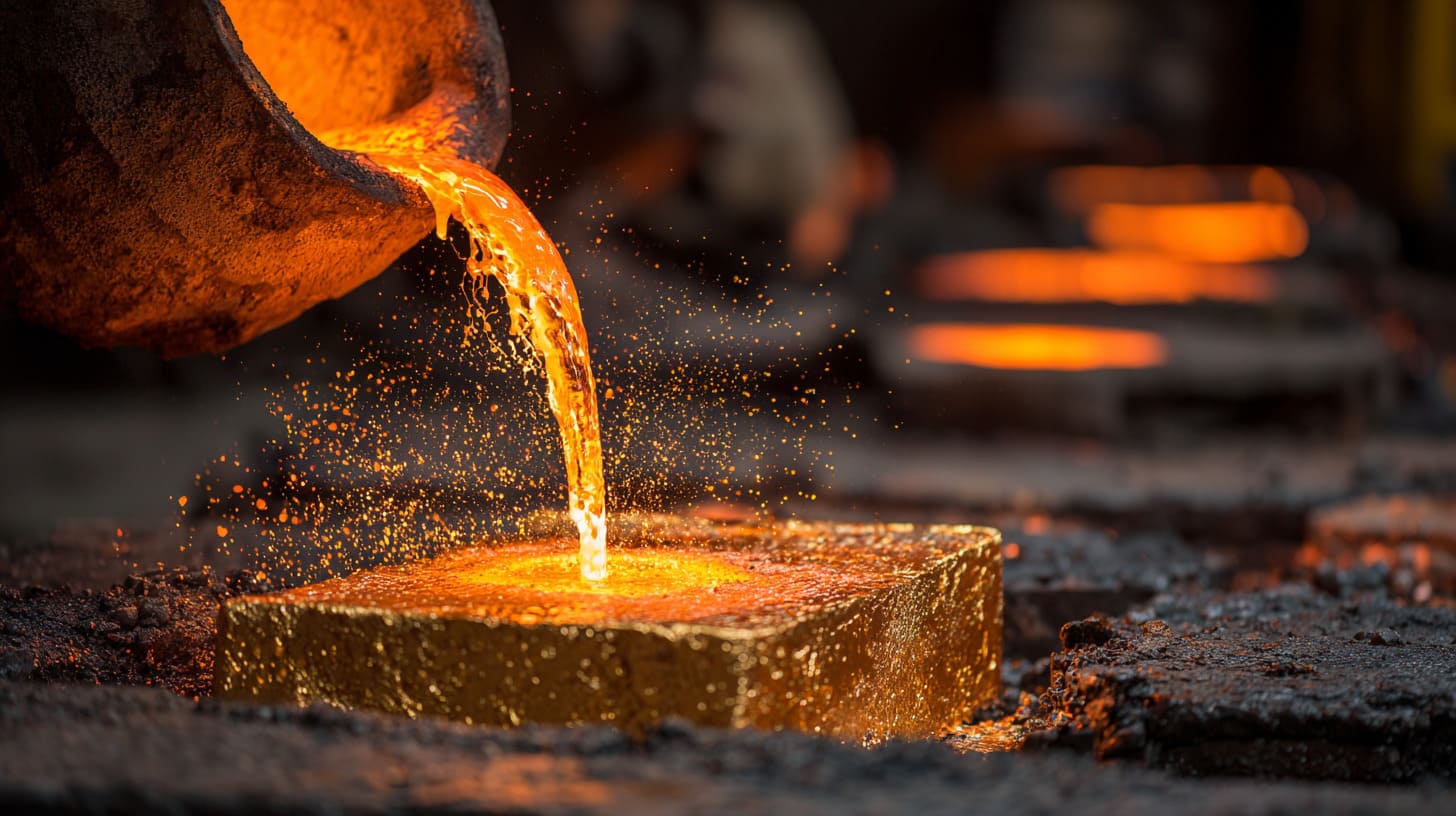
Stainless steel casting is the process of shaping molten stainless steel into complex parts by pouring it into a mold.
It sounds simple. In reality, it quietly controls service life, performance, and long-term cost.
In this guide, I want to explain stainless steel casting the way I discuss it with engineers and buyers every week. What it is, how it works, where it makes sense, and where it does not. This is written for OEM designers, product engineers, and sourcing teams who want fewer surprises after production starts.
What is Stainless Steel Casting?
Definition and Basics
I like to explain it in plain words.
Stainless steel casting means heating stainless steel until it melts, then pouring it into a mold shaped like your part. After cooling, the metal keeps that shape.
This method shines when parts are:
- Complex
- Thick or uneven
- Hard to machine from solid blocks
Casting lets the shape come first, not the cutting tool.
Stainless Steel vs. Other Casting Alloys
I often get asked why not use carbon steel or aluminum instead.
The answer depends on the job.
| Material | Corrosion Resistance | Strength | Cost | Typical Use |
|---|---|---|---|---|
| Stainless Steel | High | High | Higher | Harsh environments |
| Carbon Steel | Low | High | Low | Indoor machinery |
| Aluminum | Medium | Medium | Medium | Lightweight parts |
| Brass | Medium | Medium | High | Decorative or valves |
Stainless steel costs more.
But when rust is not allowed, it pays for itself.
Common Use Cases in Industrial Applications
In real projects, I see stainless steel casting used for:
- Pump bodies
- Valve housings
- Food-grade parts
- Outdoor enclosures
- Marine components
After this, the next question always comes up: which stainless steel grade should I choose?
Types of Stainless Steel Used in Casting
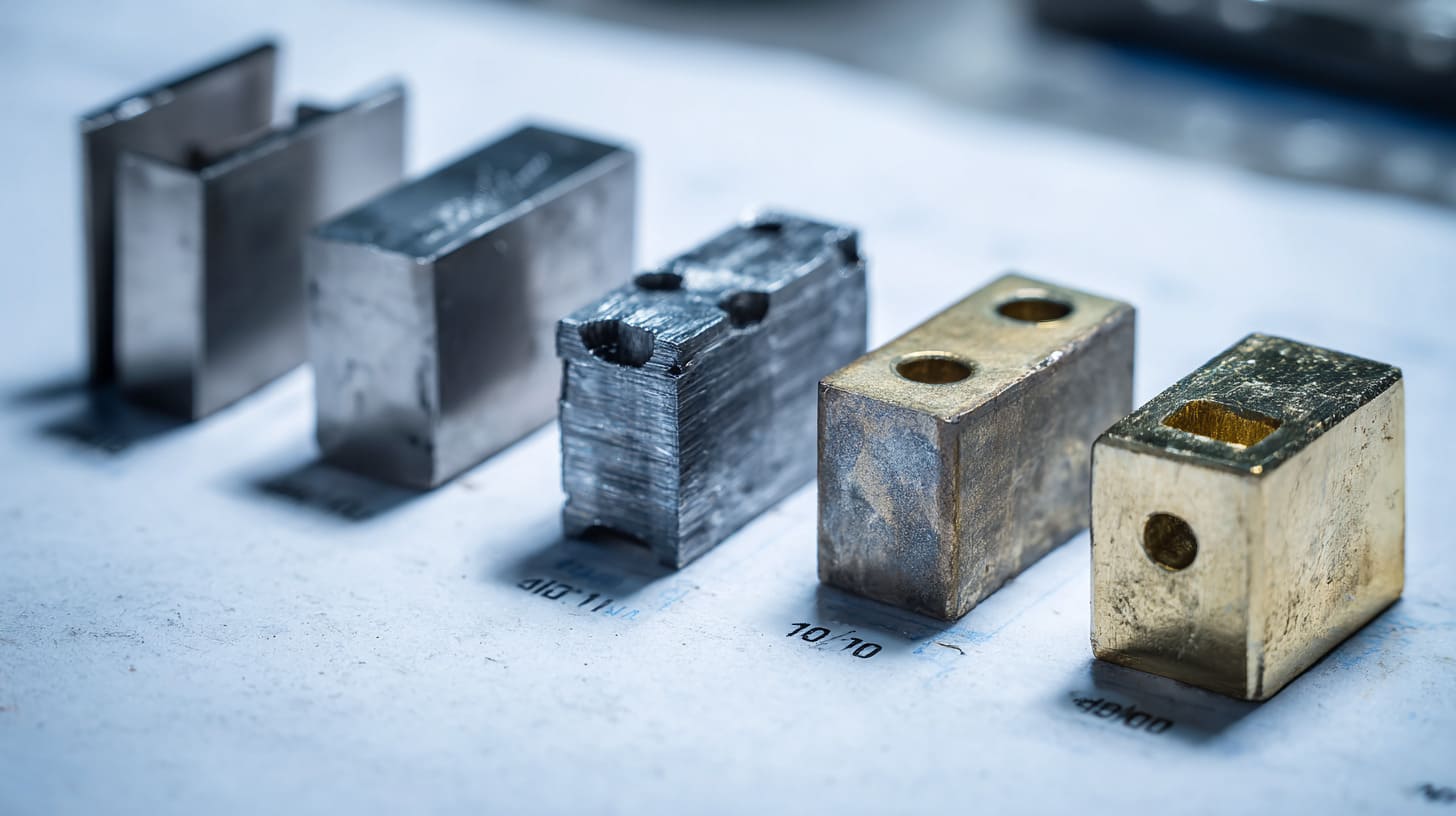
Austenitic Stainless Steel (e.g., 304, 316)
This is the most common choice I see.
304 is reliable and easy to cast.
316 adds better corrosion resistance, especially near salt or chemicals.
I suggest 316 when failure is expensive.
Ferritic Stainless Steel (e.g., 430)
Ferritic grades cost less.
They resist corrosion better than carbon steel, but less than 304.
I see them used in indoor equipment or decorative parts.
Martensitic Stainless Steel (e.g., 410, 420)
These grades are about strength and hardness.
They machine well after heat treatment.
But corrosion resistance is limited.
Good for:
- Shafts
- Wear parts
- Mechanical components
Duplex Stainless Steel (e.g., 2205)
Duplex is a balance of strength and corrosion resistance.
I like it for pressure parts.
But casting control must be strict. Not every foundry can handle it well.
Precipitation-Hardening Grades
These are special tools.
High strength.
More complex heat treatment.
Used only when really needed.
Once the material is clear, process choice becomes the next big decision.
Stainless Steel Casting Processes
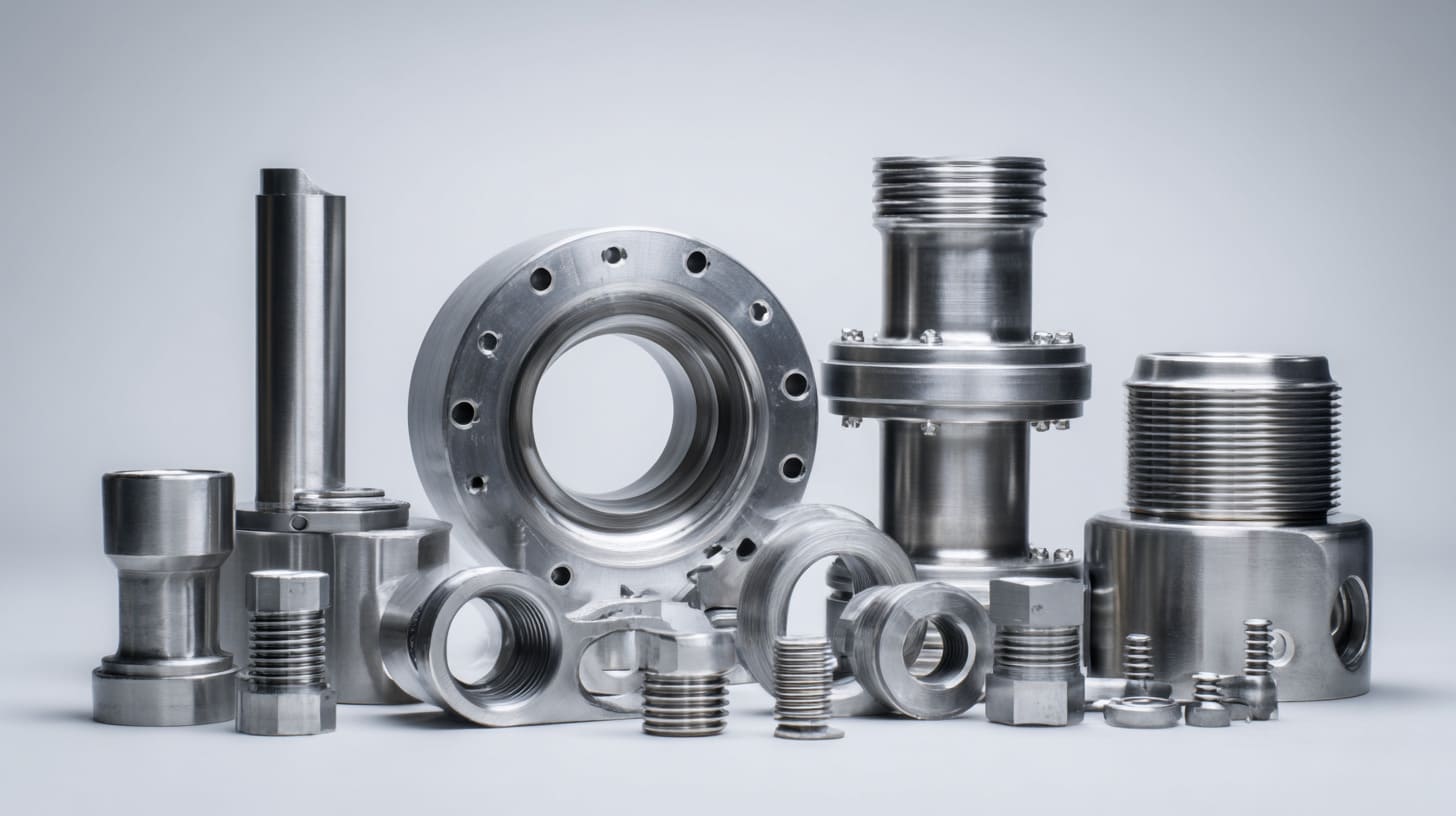
Investment Casting (Lost-Wax Method)
This is my favorite for precision.
It gives:
- Smooth surfaces
- Tight tolerances
- Complex shapes
But tooling costs more at the start.
Sand Casting
Simple. Flexible. Affordable.
It works well for:
- Large parts
- Low volume
- Thick walls
Surface finish is rougher. Machining is expected.
Die Casting (Less Common for Stainless)
Stainless steel die casting is rare.
The temperature is too high for most dies.
I rarely recommend it.
Shell Mold Casting
This sits between sand and investment casting.
Better surface than sand.
Lower cost than investment.
Centrifugal Casting
Used for round parts.
Pipes. Rings. Sleeves.
Strong structure. Limited shapes.
Now let me walk you through what actually happens on the shop floor.
Steps in the Stainless Steel Casting Process
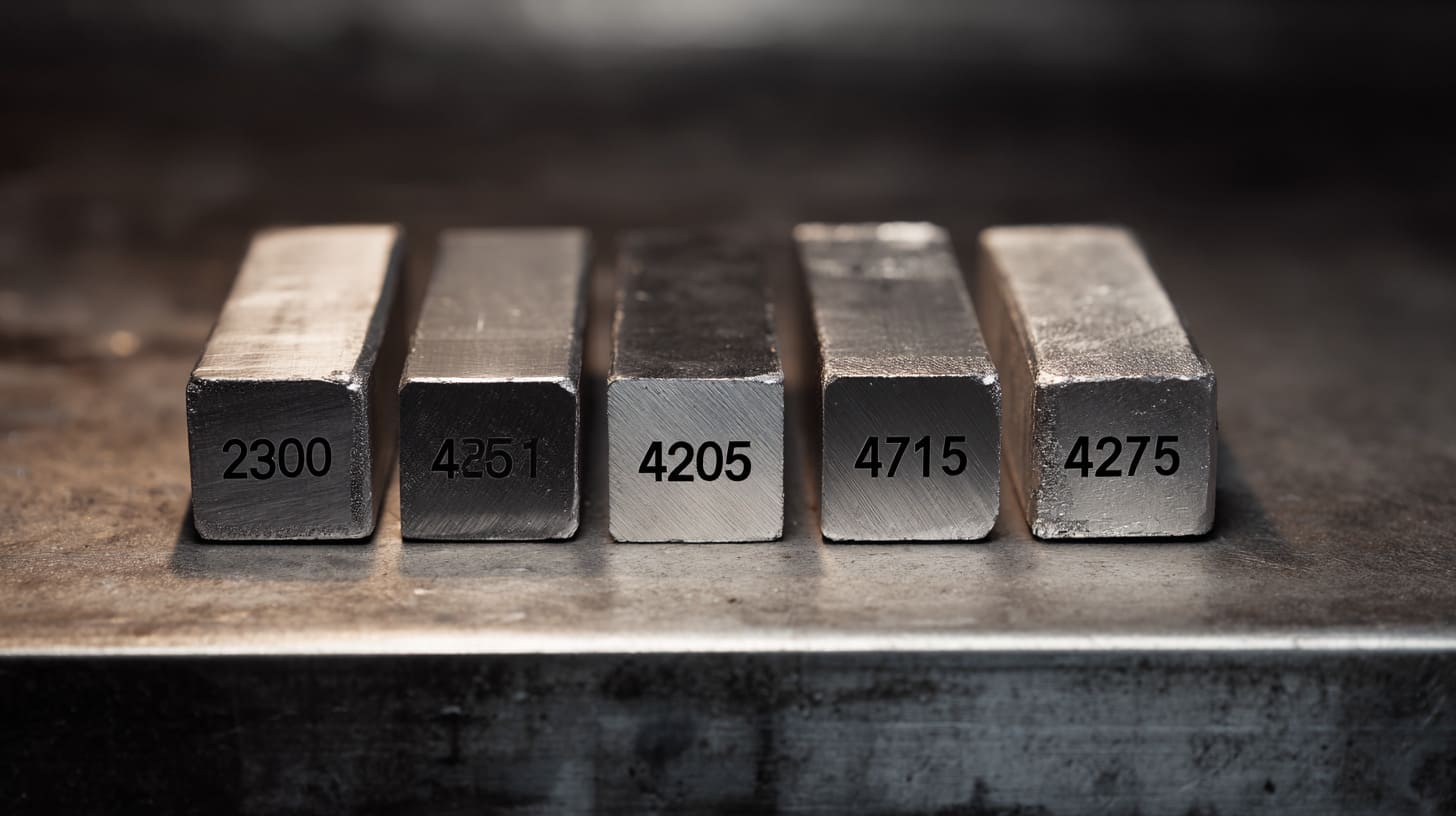
Step 1: Pattern Creation
Everything starts with the pattern.
Bad pattern. Bad part.
Simple rule.
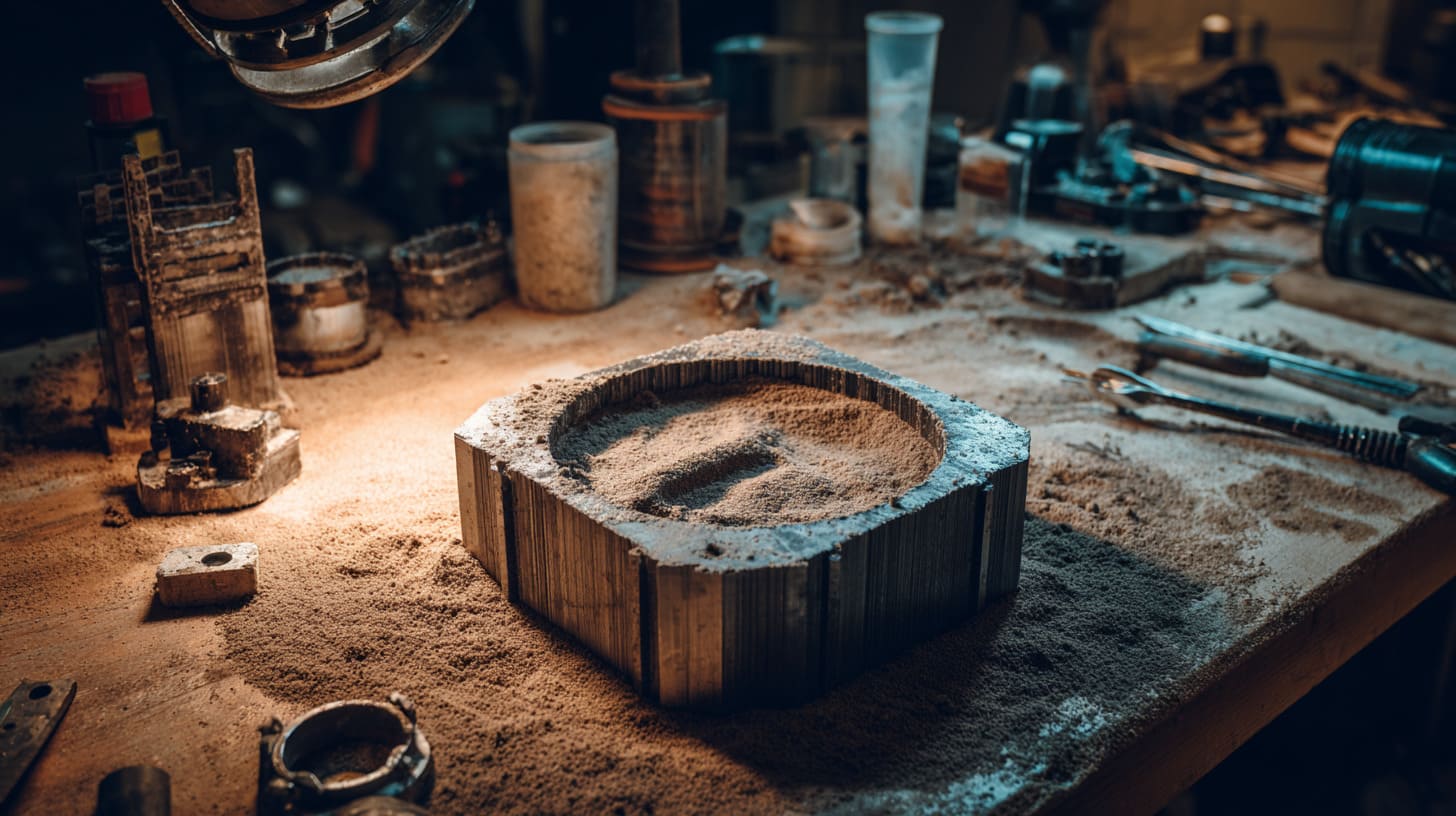
Step 2: Mold Preparation
Sand, ceramic, or shell molds get prepared here.
Moisture control matters more than people think.
Step 3: Wax Assembly (for investment casting)
Wax patterns are joined into trees.
This stage decides flow quality later.
Step 4: Shell Building or Sand Packing
Layers build strength.
Too thin, it breaks.
Too thick, it traps heat.
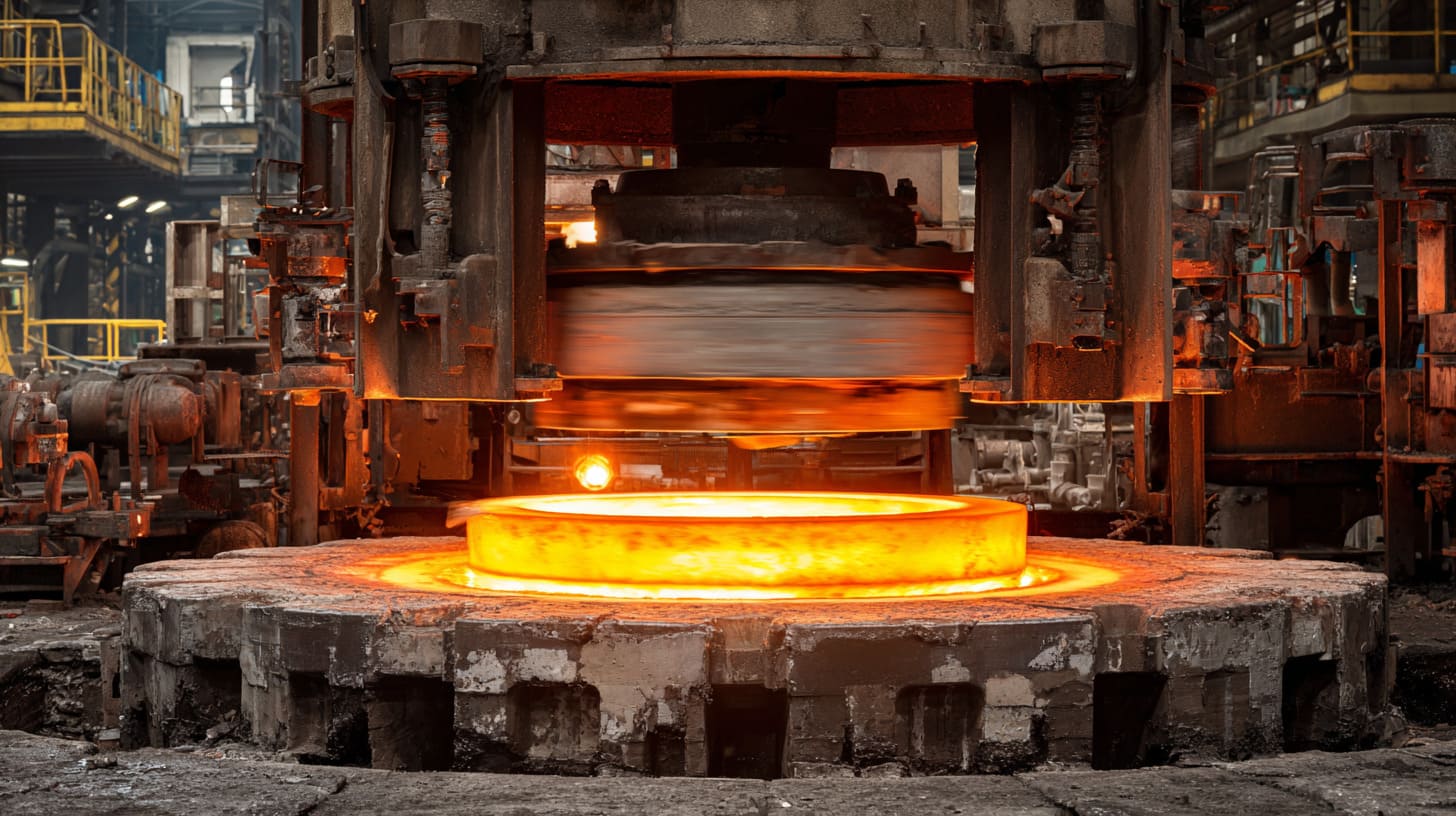
Step 5: Metal Pouring and Solidification
This is where experience shows.
Pour too fast, you trap gas.
Pour too slow, you get cold shuts.
Step 6: Knockout and Surface Cleaning
Shells break away.
Sand falls off.
The raw part appears.
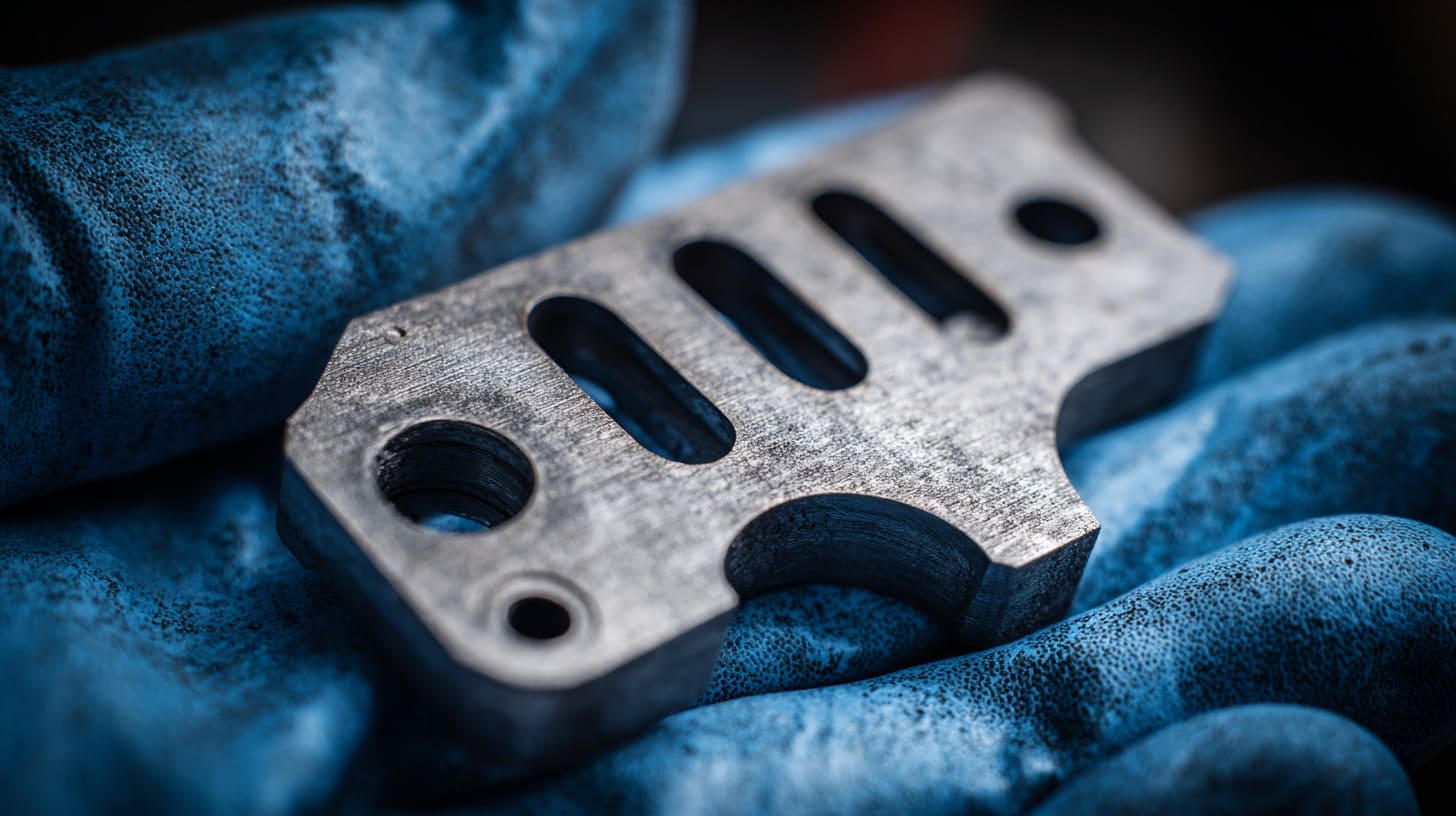
Step 7: Machining and Heat Treatment
Casting gives shape.
Machining gives accuracy.
Heat treatment gives strength.
Step 8: Inspection and Quality Control
I insist on this step.
Dimensions.
Surface.
Internal structure.
Skipping this is gambling.
With the process clear, the benefits become easier to judge.
Key Advantages of Stainless Steel Casting
Excellent Corrosion Resistance
This is the main reason buyers choose stainless steel.
Rain. Salt. Chemicals.
It holds up.
High Precision and Complex Shapes
Casting allows:
- Internal channels
- Thick-to-thin transitions
- One-piece structures
Superior Surface Finish
Especially with investment casting.
Less polishing.
Less rework.
Material Strength and Durability
Good strength without fragile behavior.
It bends before it breaks.
Wide Alloy Versatility
You can tune:
- Corrosion
- Strength
- Heat resistance
Still, nothing is perfect.
Limitations and Challenges
Higher Material and Process Cost
Stainless steel is not cheap.
Casting adds more cost than simple machining.
Complex Machining After Casting
Harder grades wear tools faster.
Machining cost must be planned early.
Shrinkage and Warping Risks
All metals shrink.
Stainless steel shrinks more than aluminum.
Design allowances matter.
Longer Production Time Compared to Other Methods
Tooling. Casting. Heat treatment.
Lead time is longer.
This leads many clients to compare methods.
Stainless Steel Casting vs. Fabrication or CNC Machining
Cost Comparison
| Method | Low Volume | High Volume |
|---|---|---|
| Casting | Medium | Low |
| CNC Machining | High | High |
| Fabrication | Medium | Medium |
Production Volume Considerations
Casting wins as volume grows.
Machining wins for prototypes.
Lead Time and Tolerance Differences
Machining is fast.
Casting is stable.
Choose based on risk.
Design Flexibility
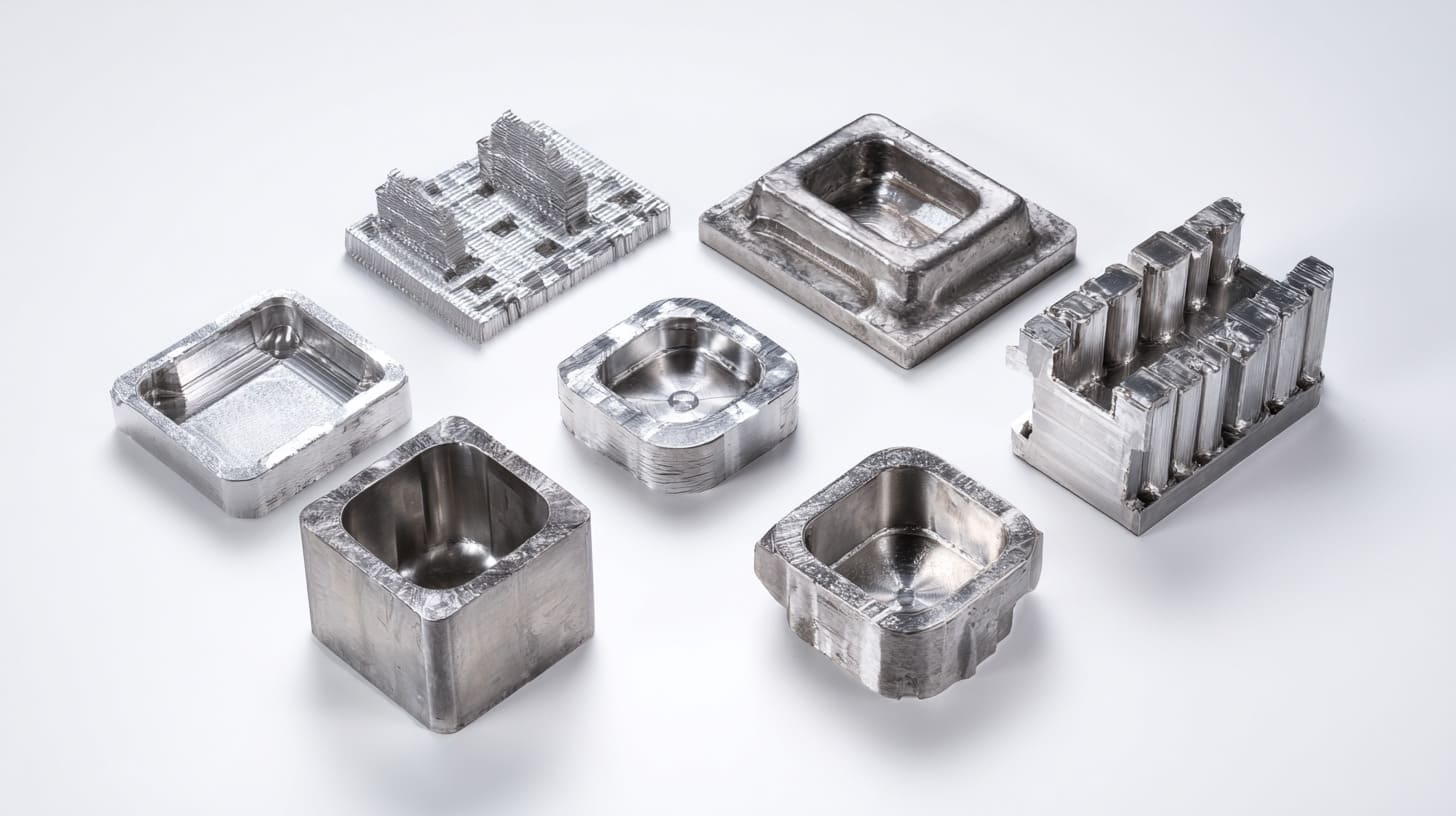
Casting allows shapes machining cannot reach.
Next, let’s look at where these parts actually live.
Applications of Stainless Steel Cast Parts
Food and Beverage Equipment
Clean surfaces.
Easy sanitation.
Automotive and Aerospace Components
Strength and reliability matter here.
Pump and Valve Bodies
This is classic stainless steel casting territory.
Medical and Dental Tools
Precision and cleanliness.
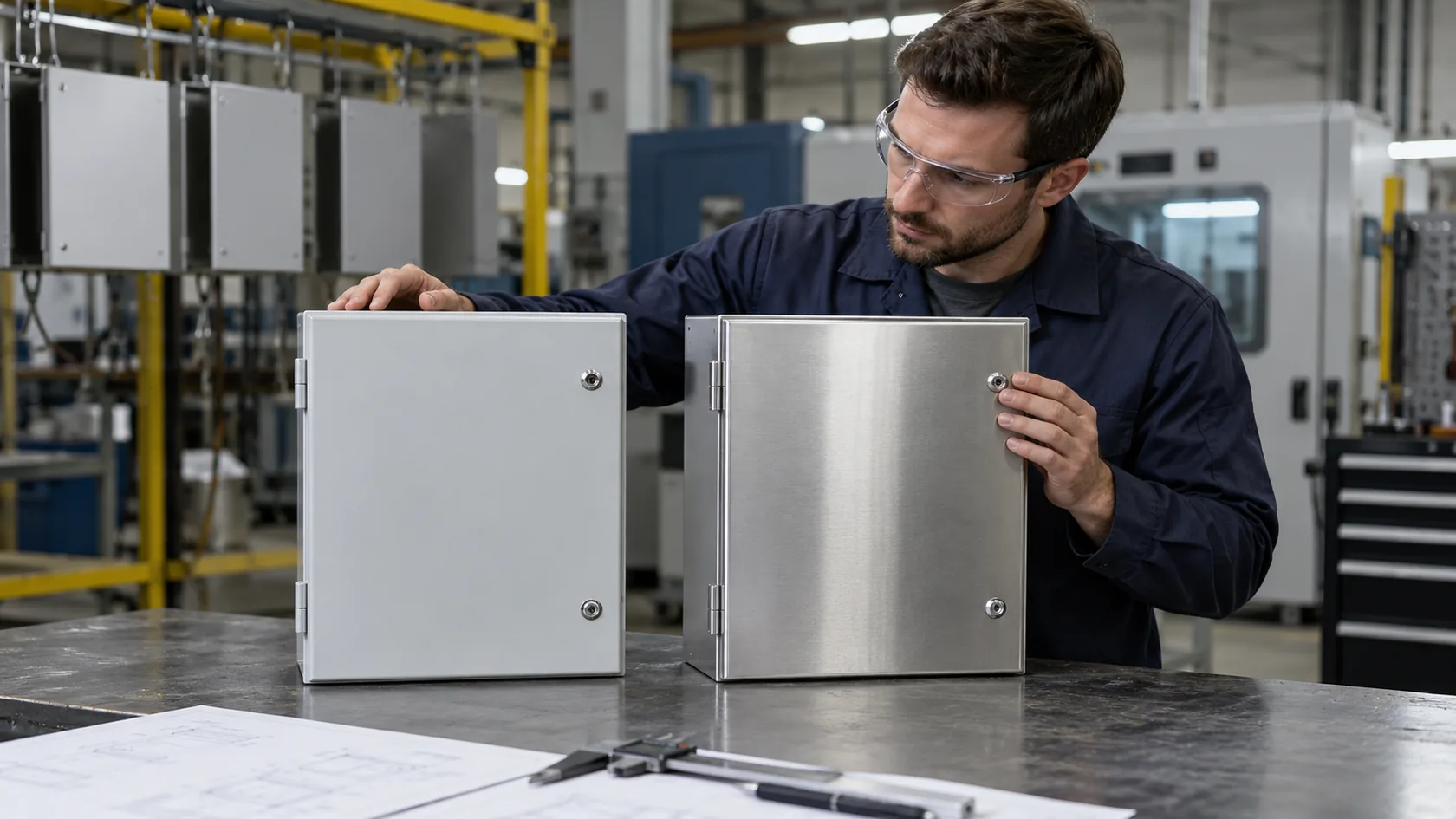
Industrial Enclosures and Housings
Outdoor use.
Harsh sites.
Long life.
Marine and Offshore Use
Salt water is unforgiving.
Stainless steel survives.
After shape comes appearance and protection.
Surface Finishing Options
Pickling and Passivation
Removes surface contaminants.
Boosts corrosion resistance.
Electro-polishing
Smooth and clean.
Often used for food-grade parts.
Shot Blasting or Sandblasting
Uniform matte finish.
Good for industrial look.
Mirror Polishing
Visual impact.
Higher cost. More labor.
Coating (e.g., Teflon, Ceramics)
Used when friction or chemical resistance matters.
Choosing a supplier now becomes critical.
How to Choose the Right Stainless Steel Casting Supplier
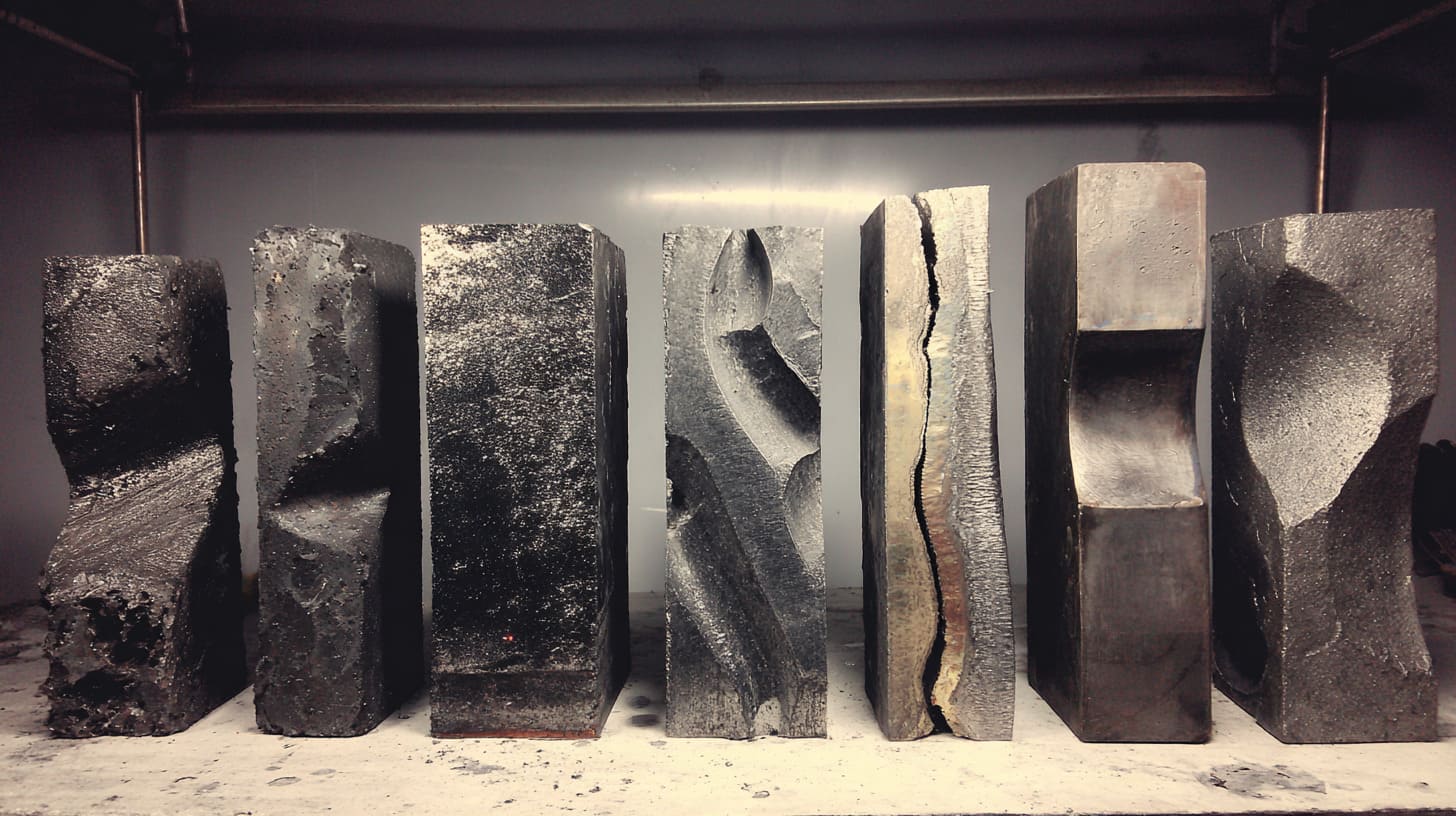
Look for Experience with OEM/Custom Orders
I value factories that ask questions.
Silence is a red flag.
Quality Certifications (ISO, ASTM, etc.)
Certificates don’t guarantee quality.
But lack of them guarantees problems.
In-house Testing and Inspection Capabilities
External testing slows everything down.
In-house saves time.
Support for Logo Engraving and Branding
Branding should be planned, not added later.
Fast Turnaround and Global Shipping Ability
Logistics matter as much as metal.
Design still plays a bigger role than many expect.
Design Tips for Engineers and Buyers
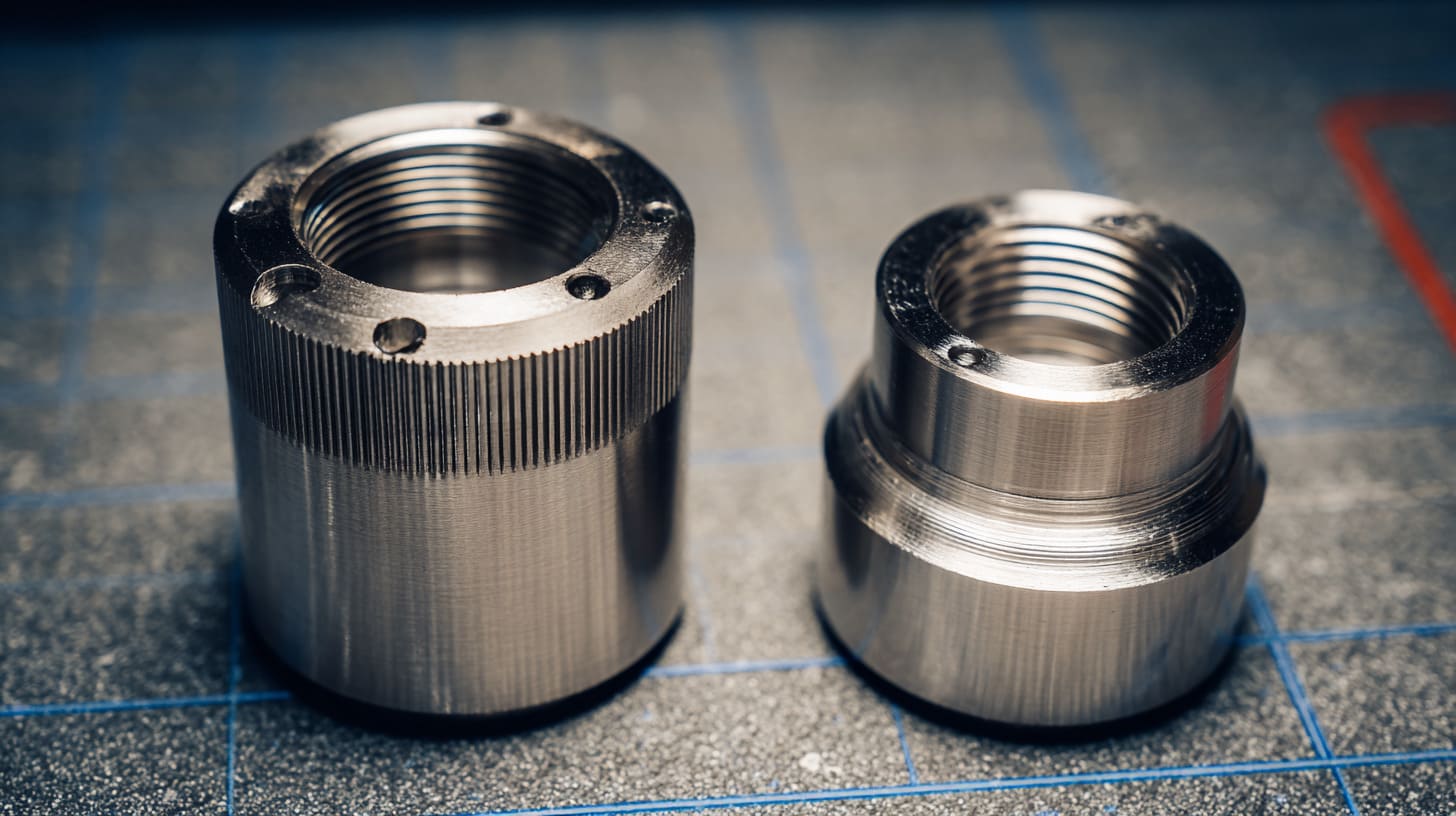
Consider Tolerances and Wall Thickness
Uniform walls reduce risk.
Thin corners crack first.
Allow for Draft Angles and Undercuts
Casting hates sharp traps.
Optimize Gate and Riser Design
This controls flow and shrinkage.
Plan for Machining or Post-Treatment
Don’t design blind.
Include Marking or Branding Zones
Flat areas save cost.
Money always comes back into the discussion.
Stainless Steel Casting Cost Breakdown
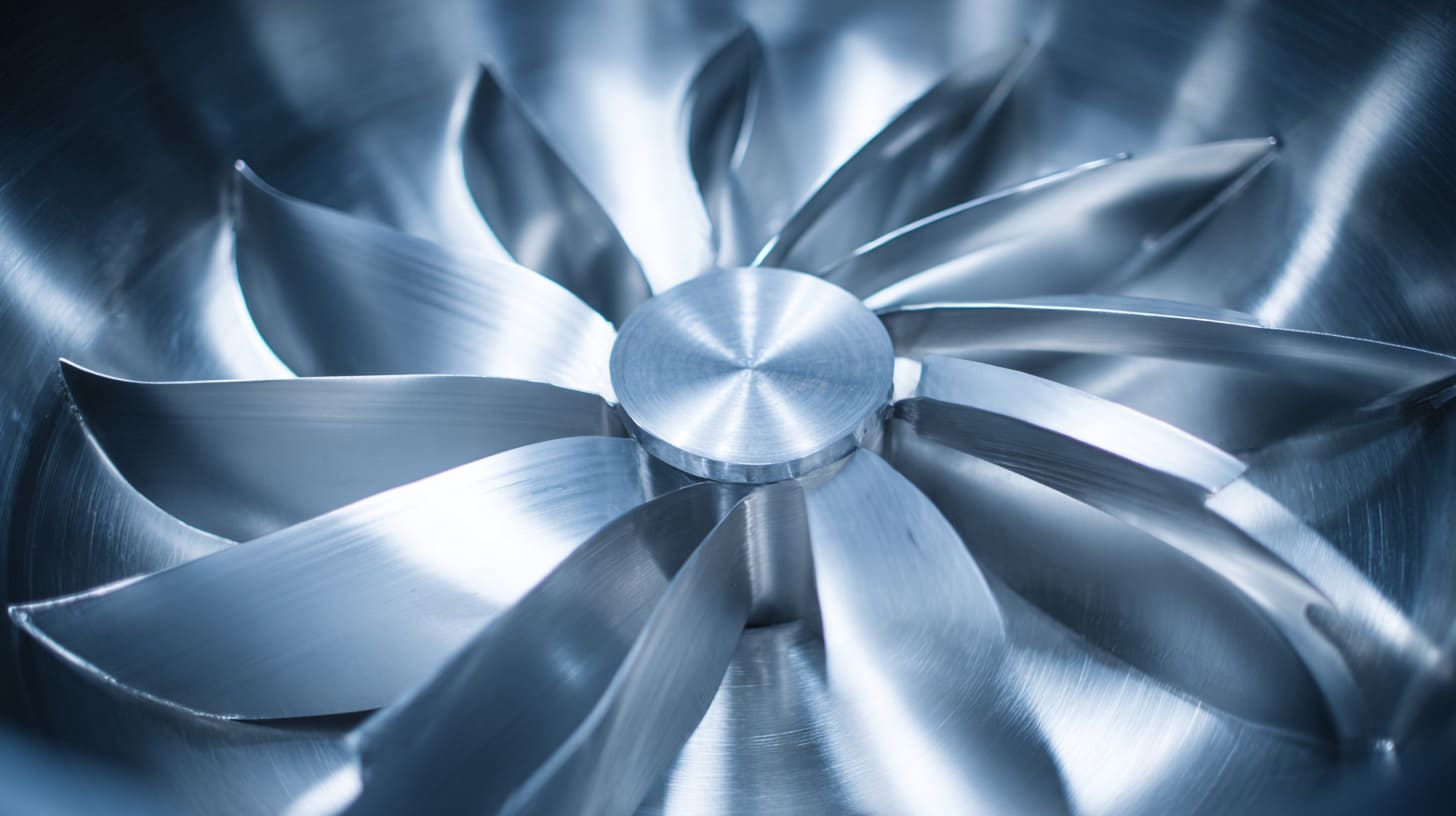
Factors Affecting Cost (Material, Complexity, Quantity)
Material grade.
Part size.
Order volume.
Cost Comparison by Casting Method
| Method | Tooling | Unit Cost |
|---|---|---|
| Investment | High | Low |
| Sand | Low | Medium |
| Shell | Medium | Medium |
Mold and Tooling Cost Considerations
Tooling is an investment.
Not a waste.
Example Price Range by Part Type
Prices vary too much to fix numbers.
But complexity always costs more than size.
Quality control closes the loop.
Common Defects and Quality Control
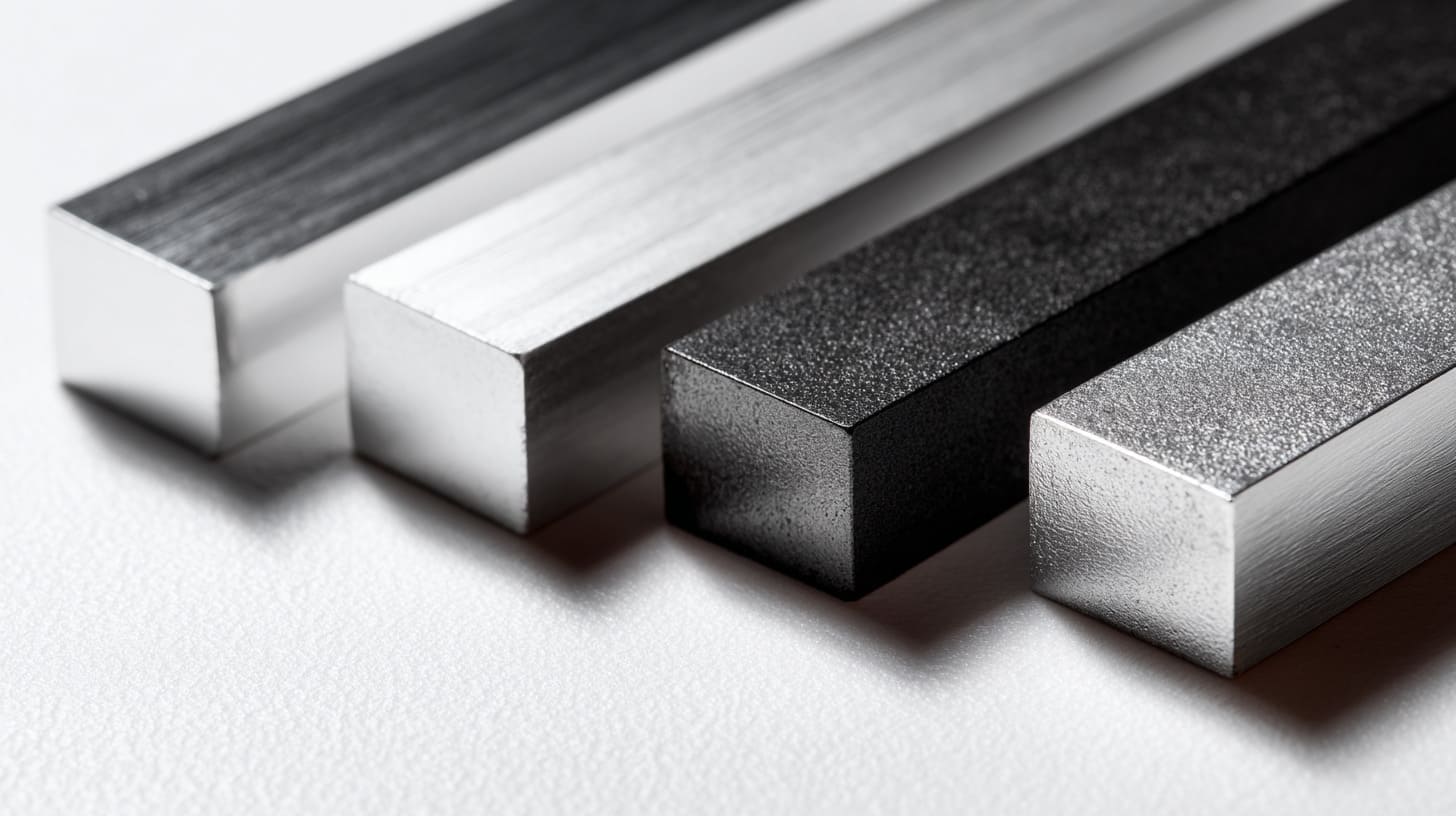
Porosity and Shrinkage Cavities
Often caused by poor feeding.
Cracks and Hot Tears
Cooling control matters.
Inclusions and Surface Roughness
Clean melt. Clean mold.
Non-destructive Testing (X-ray, Dye Penetrant)
Used when failure is not allowed.
Dimensional Accuracy Checks
Every batch should be checked.
Sometimes the right choice is not casting at all.
When NOT to Use Stainless Steel Casting
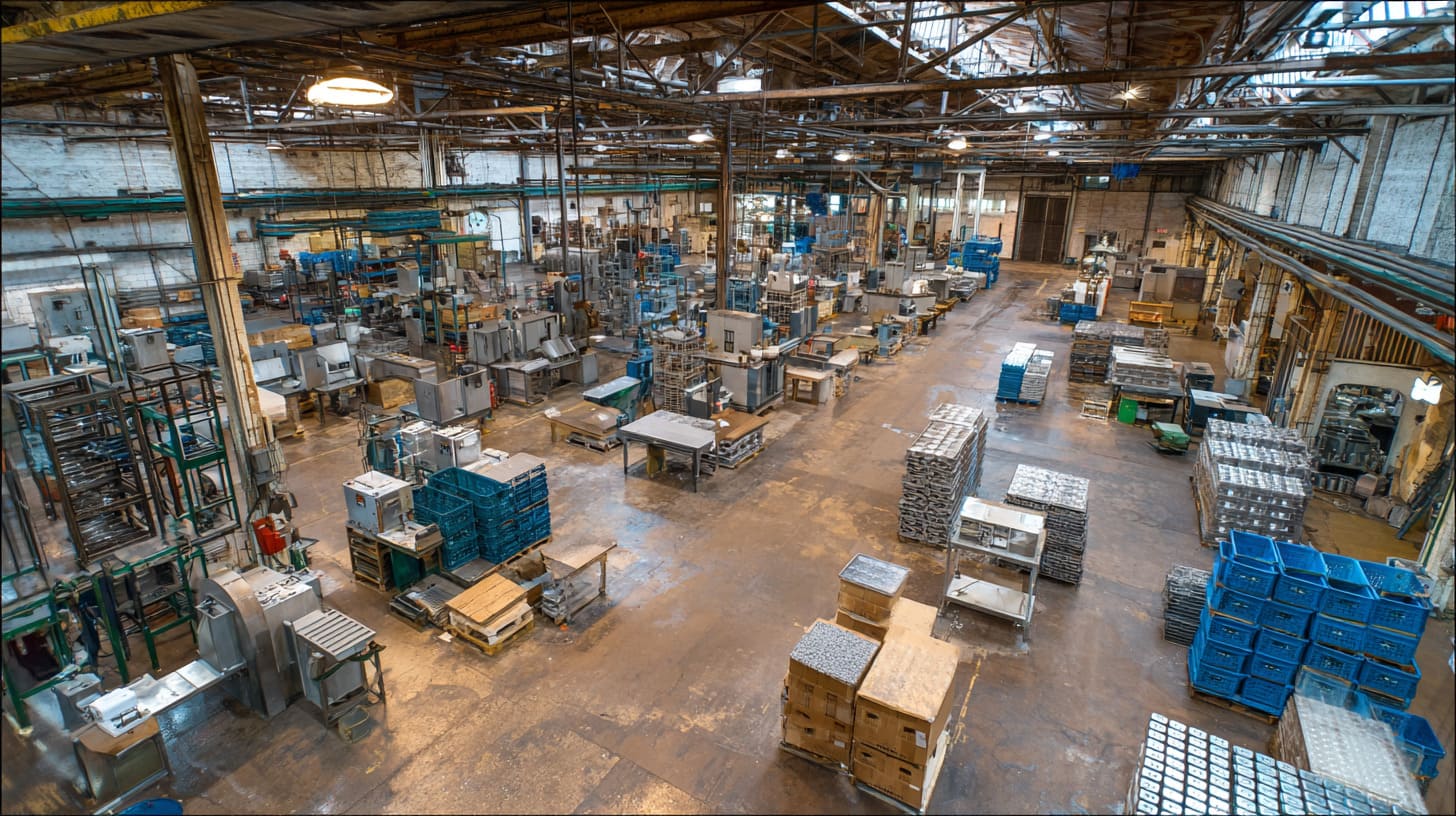
Tight Lead Times
Casting takes time.
Simple, High-Volume Parts Better Made by CNC
Machining may be cheaper here.
When Plastic or Aluminum Is Sufficient
Overdesign wastes money.
Projects with Low Budget and Loose Specs
Casting demands discipline.
Still, in enclosures, stainless steel plays a special role.
Stainless Steel Casting for Custom Enclosures
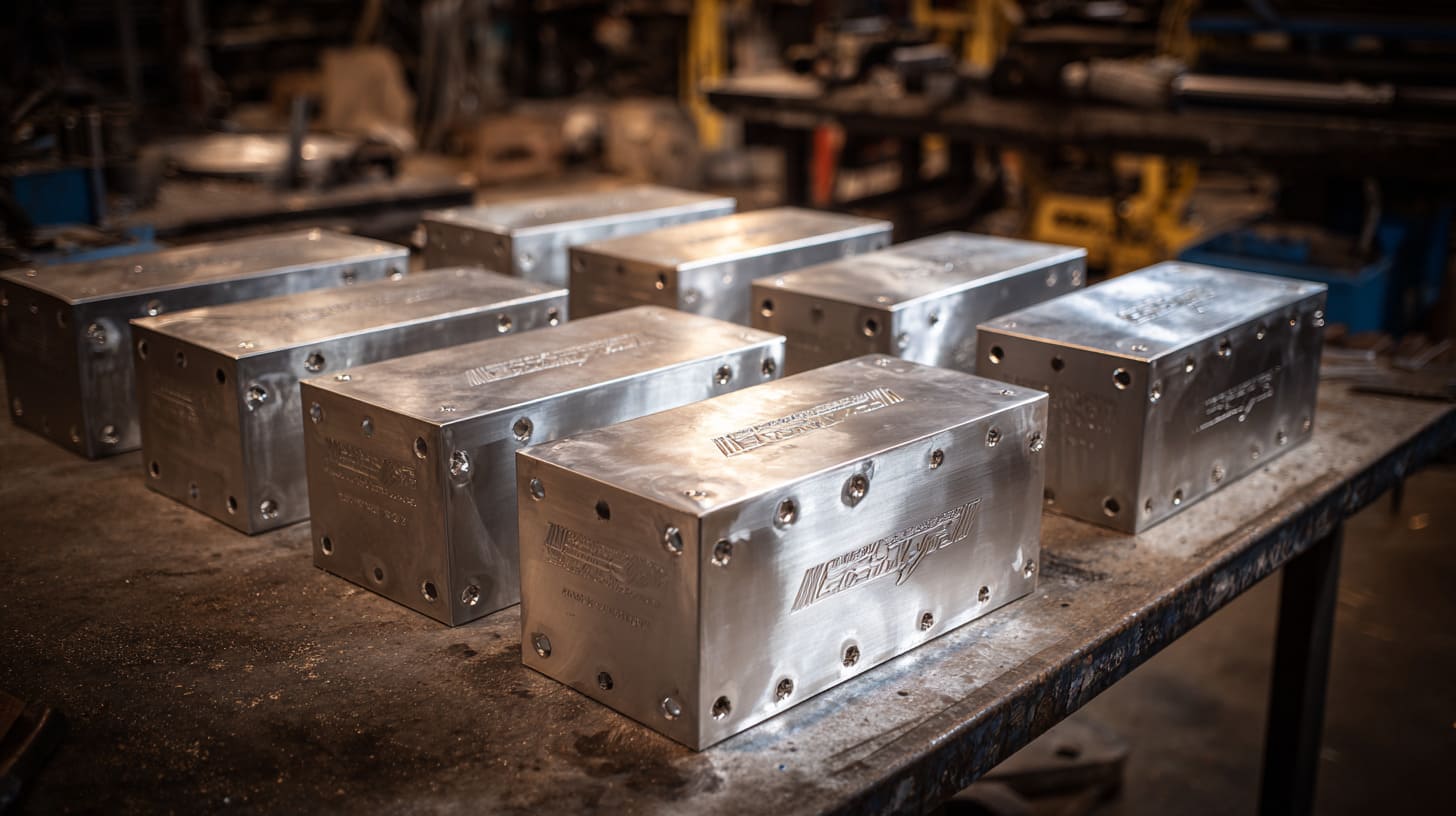
Why OEM Buyers Use It for Industrial Cases
Strength.
Weather resistance.
Brand image.
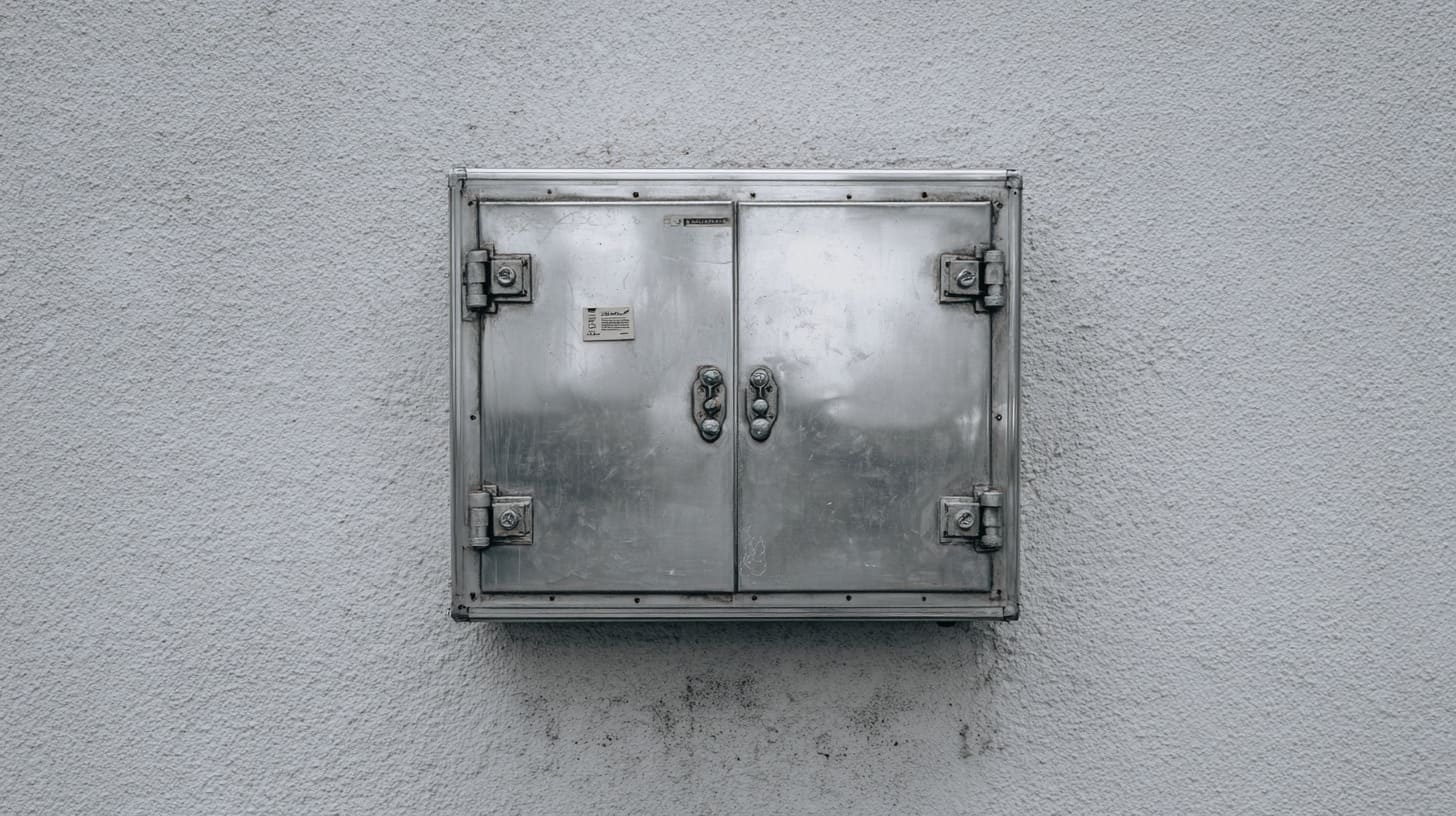
Examples: Pump Covers, Outdoor Control Panels, Valve Enclosures
These parts live outside.
Failure is visible.
Surface Treatments to Match Brand Aesthetics
Finish tells a story.
Industrial or premium.
Integration with Plastic/Aluminum Hybrid Designs
Smart designs mix materials.
Cost and performance balance.
Now it’s time to wrap this up.
Conclusion
Stainless steel casting is not just a manufacturing method.
It is a decision about risk, cost, and product life.
It works best for buyers who plan early, design carefully, and choose partners wisely.
If there’s one thing I’ve learned, it’s this: involve your manufacturer early.
Good conversations save more money than any shortcut ever will.