Skip to content
The moment someone mentions “junction box,” most folks either shrug or frown.
And I get it—it sounds like something only electricians care about.
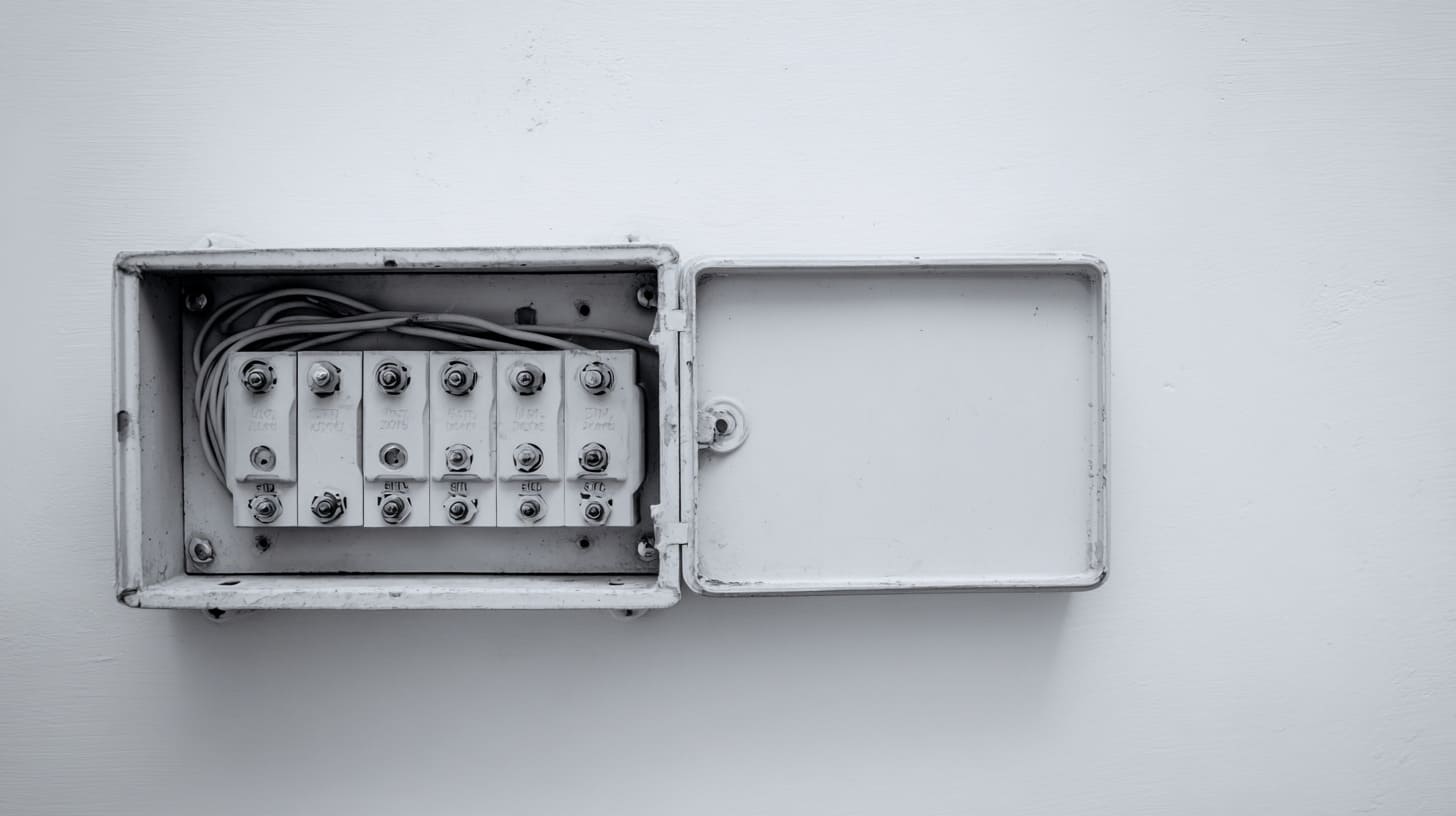
An electrical junction box is a protective container that houses wire connections, keeping them safe, organized, and compliant with electrical code.
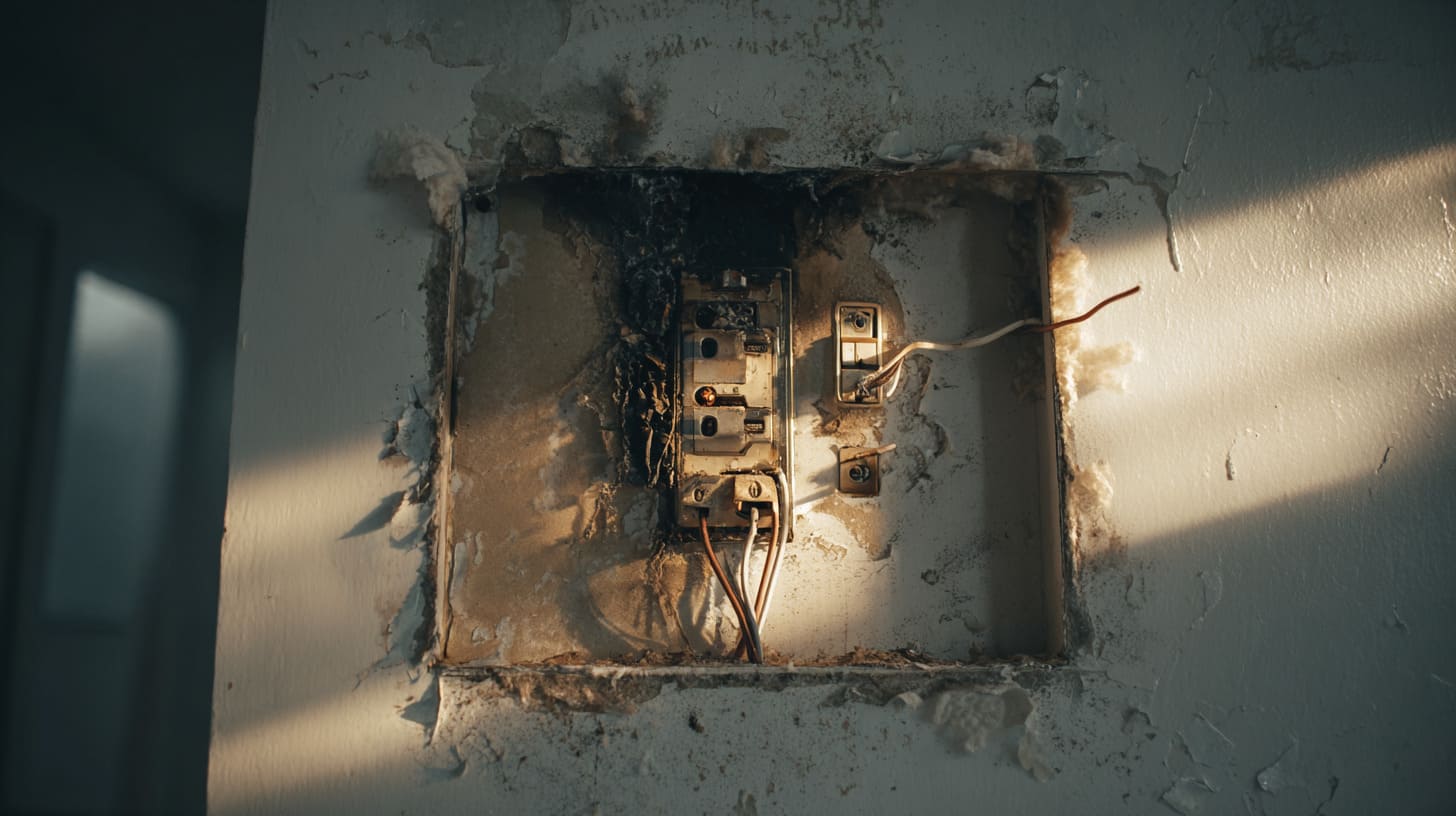
I used to think it was just “a box for wires” too—until a miswired circuit once sparked behind a wall we had to tear open. Since then? I treat these boxes with the respect they deserve.
What is an electrical junction box used for?
It does more than just “hide wires”—it guards your connections like a silent bodyguard.
A junction box is used to protect and secure electrical wire connections, preventing fire hazards and accidental contact.

Why protection matters
- Prevents electrical shorts
- Contains sparks in case of failure
- Keeps moisture, dust, and insects out
Think of it as armor for your electrical system. Behind every clean switch or socket, there's likely a hidden box doing the dirty work.
What is the difference between a junction box and an electric box?
People use the terms interchangeably, but they're not always the same.
A junction box connects wires; an electrical box may hold outlets, switches, or light fixtures.
This difference matters when planning your layout. Mixing them up could mean choosing the wrong size or material.
| Feature | Junction Box | Electrical Box |
|---|---|---|
| Purpose | Wire splicing | Holding devices like outlets |
| Common shapes | Round, square | Rectangular, square |
| Visible part | Usually hidden | Often visible |
What is the difference between junction box and enclosure?
Now this one trips up engineers all the time—especially when custom work’s involved.
A junction box is a type of enclosure, but not all enclosures are junction boxes.

A junction box is focused on internal wiring protection. An enclosure might protect a full device, circuit board, or control panel—especially outdoors or in harsh environments.
Are electrical junction boxes legal?
It might sound odd, but yes—there’s a legal side to this.
Electrical junction boxes are not only legal—they're required by most electrical codes.
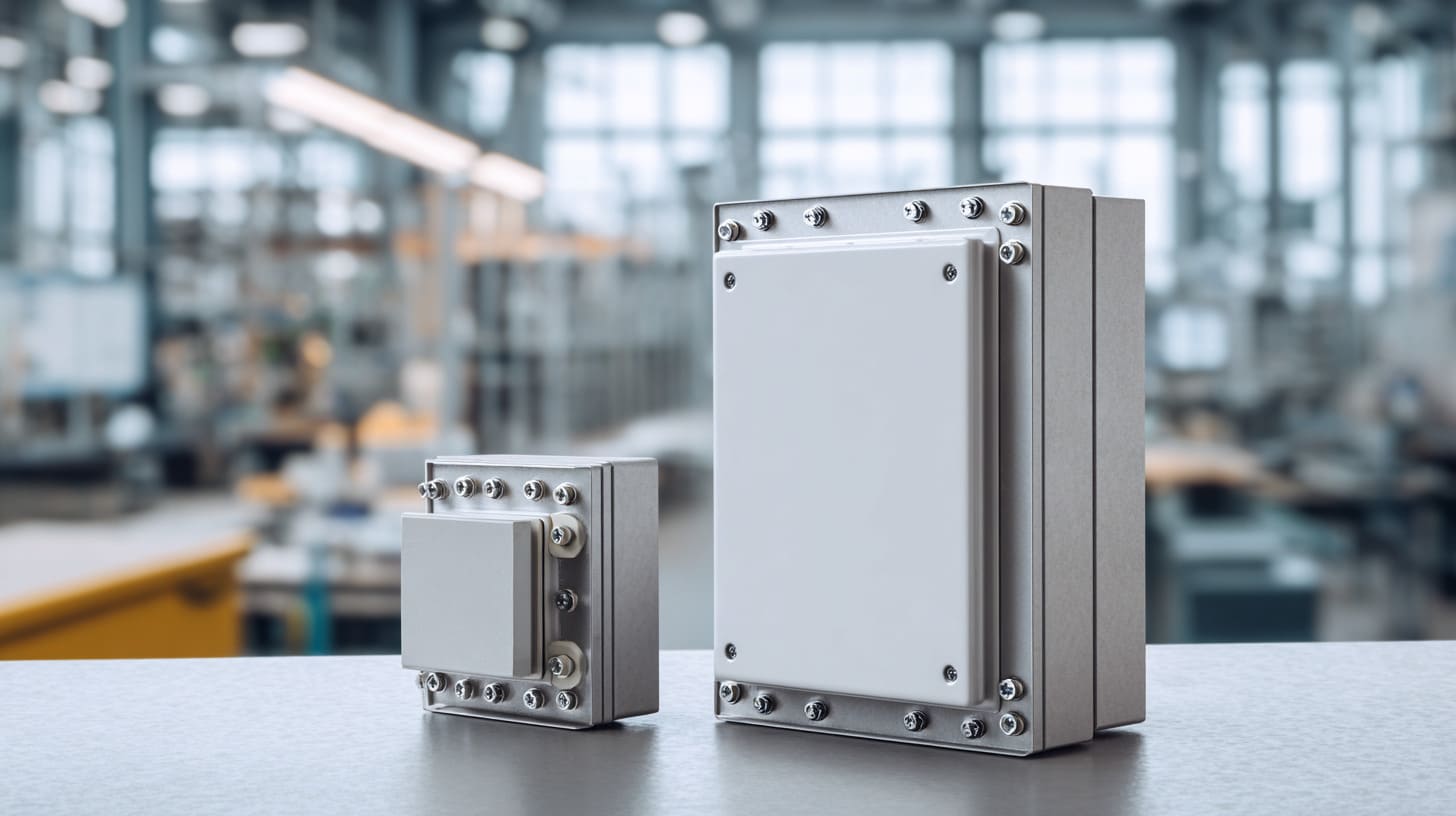
Installations without them can fail inspections or worse, become fire hazards. I've seen clients tear down freshly painted walls just to fix this.
How do I know if I need a junction box?
If wires are getting joined anywhere—they need a home.
You need a junction box any time electrical wires are connected or spliced.
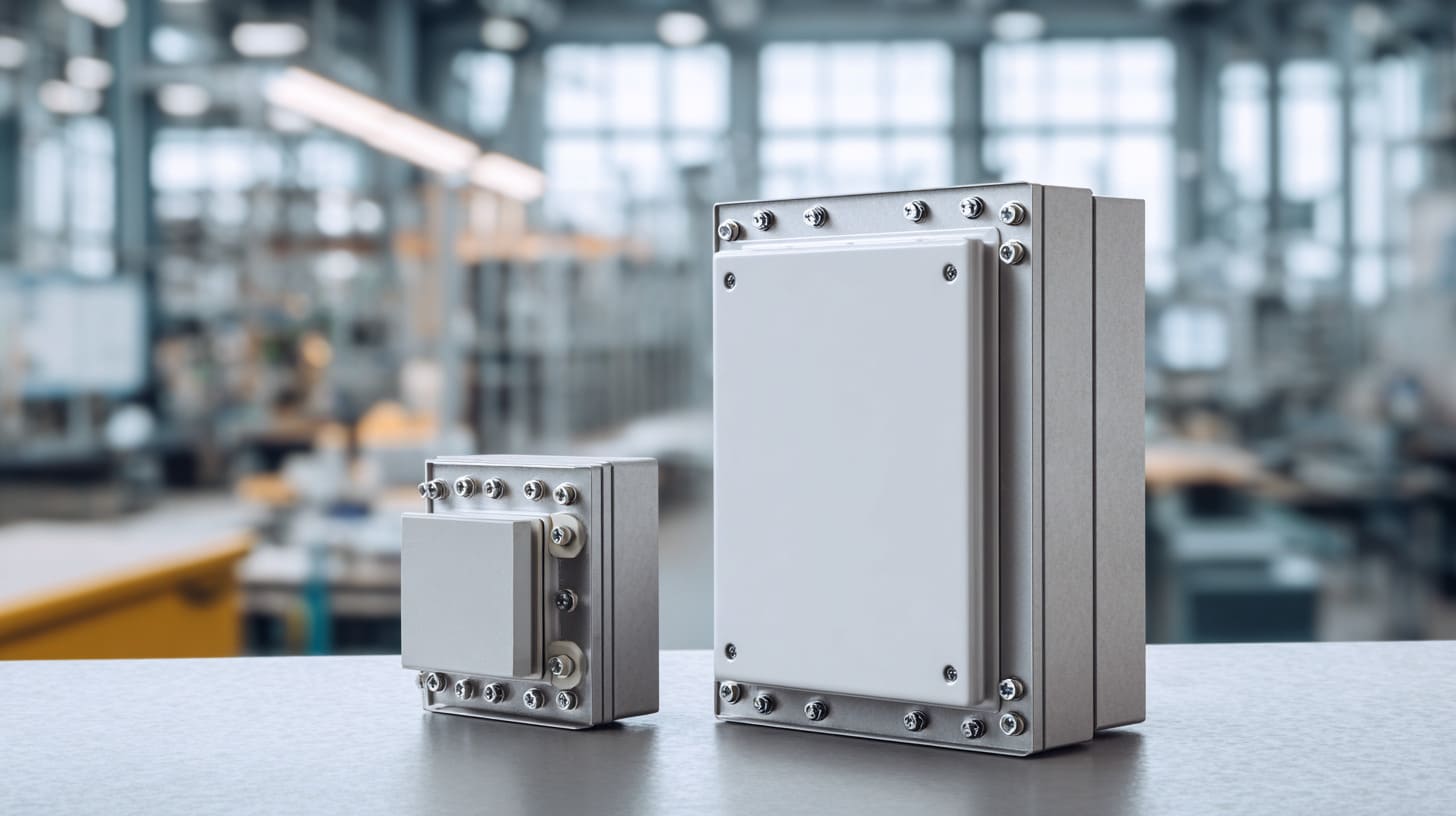
Look for:
- Branch connections between circuits
- Extensions or reroutes
- Anywhere a wire is cut and rejoined
If you're stuffing wires behind drywall—don’t. Use a box.
What is a type 3 junction box?
Clients ask this one a lot—especially for outdoor installs.
A Type 3 junction box is weather-resistant, made to protect wiring in rain, sleet, and external dust.
It's used in HVAC systems, exterior lighting, and industrial control setups.
| Rating | Protection Level |
|---|---|
| Type 1 | Indoor use, basic protection |
| Type 3 | Outdoor use, rain/sleet resistant |
| Type 4 | Watertight, corrosion-resistant |
| Type 4X | Watertight plus chemical resistance |
What are the different types of electrical junction boxes?
The variety is bigger than you'd think—especially once you go custom.
There are round boxes, square boxes, octagonal boxes, weatherproof boxes, and more, each for specific use cases.
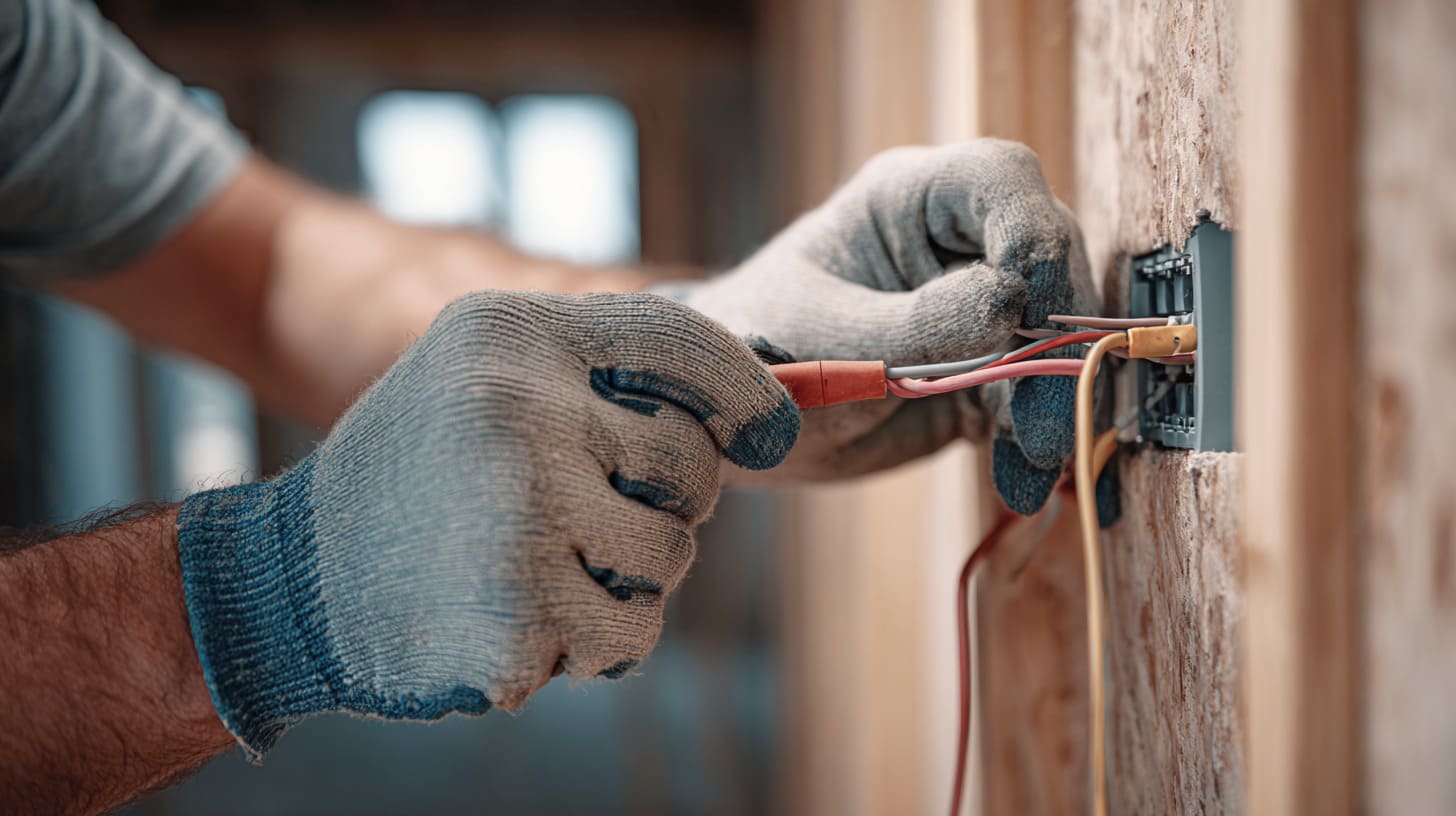
Common types include:
- Standard plastic or metal boxes: For indoor walls
- Outdoor-rated weatherproof boxes: Made of heavy plastic or metal with seals
- Through boxes: Allow cable to pass through
- Pull boxes: Help access long wire runs
- Custom junction boxes: Sized or shaped for unique equipment
What materials are electrical junction boxes made from?
It’s not just plastic vs metal—each material has trade-offs.
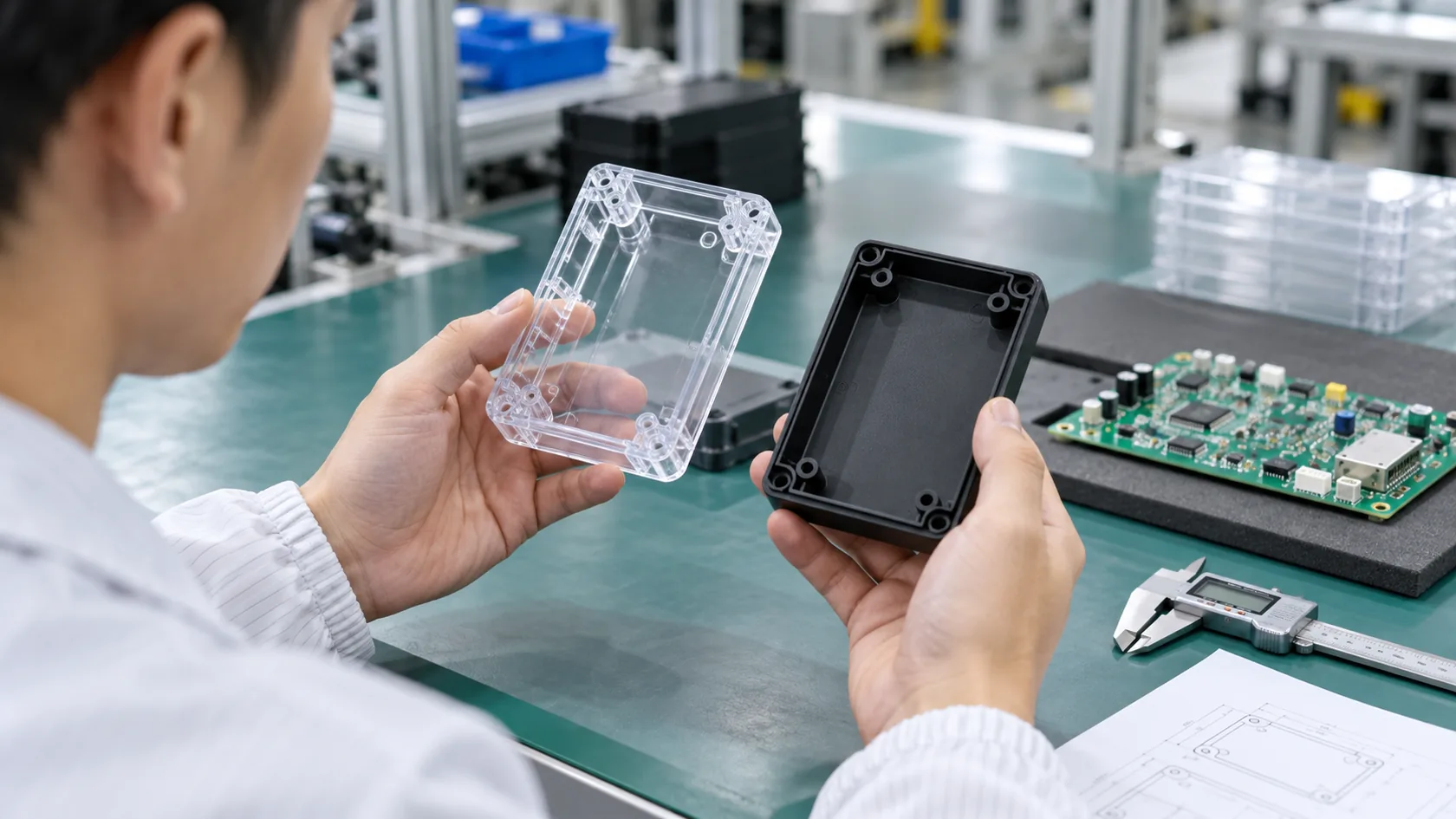
Electrical junction boxes are made from PVC, polycarbonate, ABS plastic, aluminum, or stainless steel.

Here's a quick breakdown:
| Material | Pros | Cons |
|---|---|---|
| PVC | Cheap, non-conductive | Not UV-resistant |
| Polycarbonate | Strong, weatherproof | Slightly higher cost |
| ABS | Easy to machine, durable | Less heat-resistant |
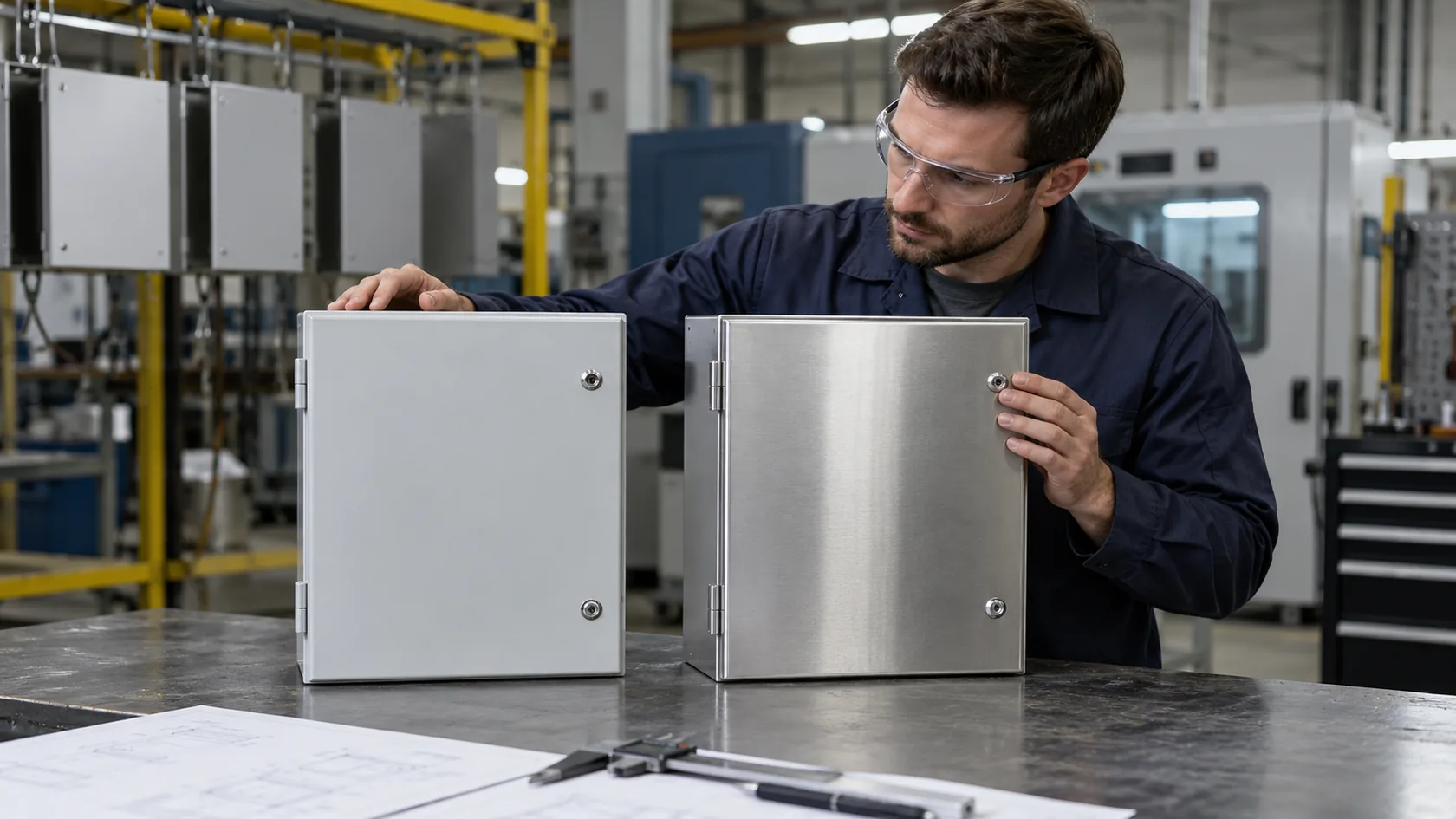
| Aluminum | Lightweight, shields EMI | Conductive—needs grounding |
| Stainless | Heavy-duty, rust-resistant | Expensive |
How do I choose the right size electrical junction box?
It’s not just about space—it’s about airflow, safety, and access.
Choose a junction box large enough to hold all wires and connectors with room to move and inspect safely.
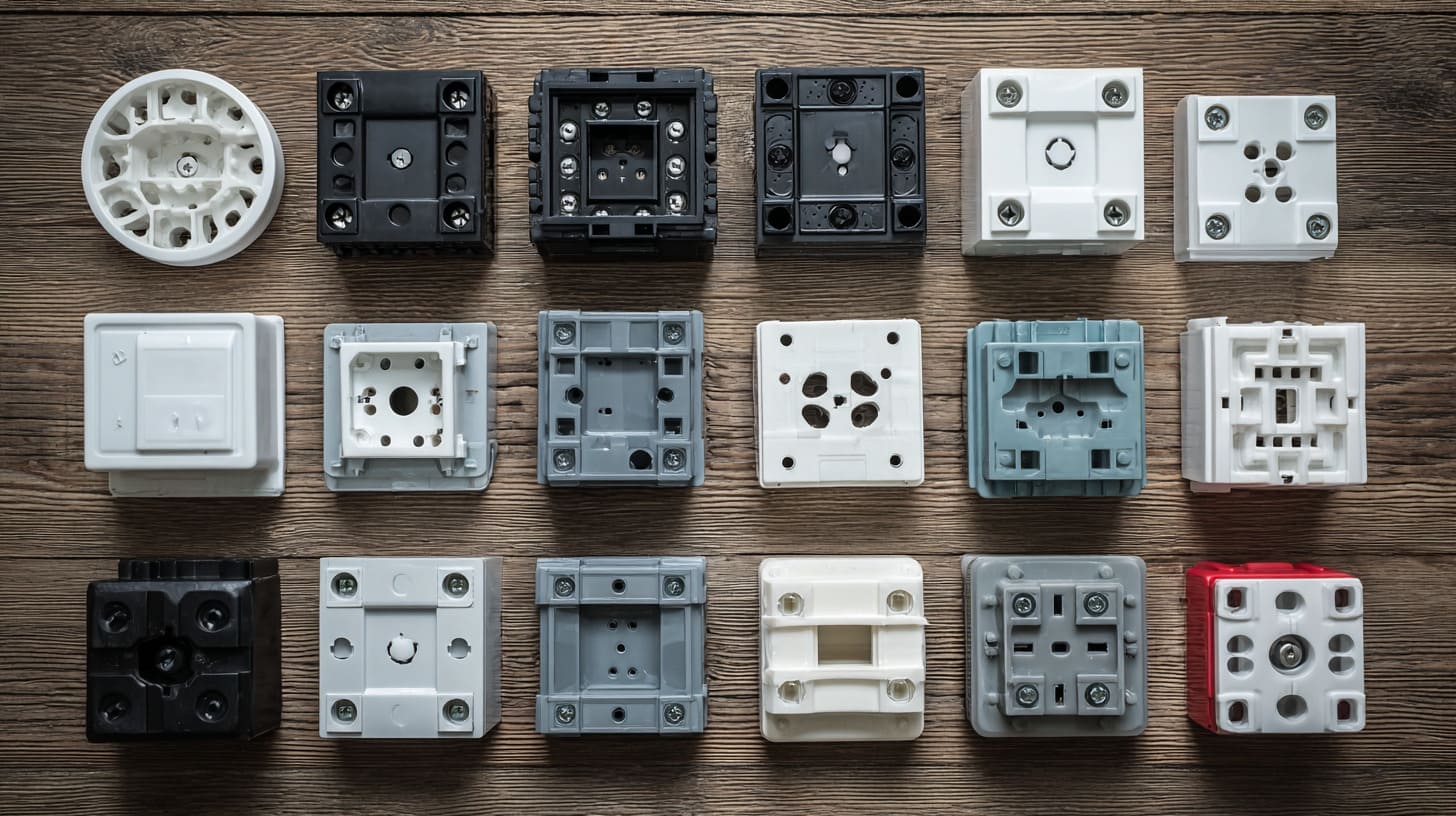
Here's what I always check:
- Number and gauge of wires
- Type of connectors used
- Future expansion space
- Mounting surface size
Using a too-small box? That’s asking for overheating or failed inspections.
Are electrical junction boxes required by electrical code?
Short answer—yes, everywhere I’ve ever worked.
Electrical junction boxes are required by NEC and most local building codes whenever wires are joined.
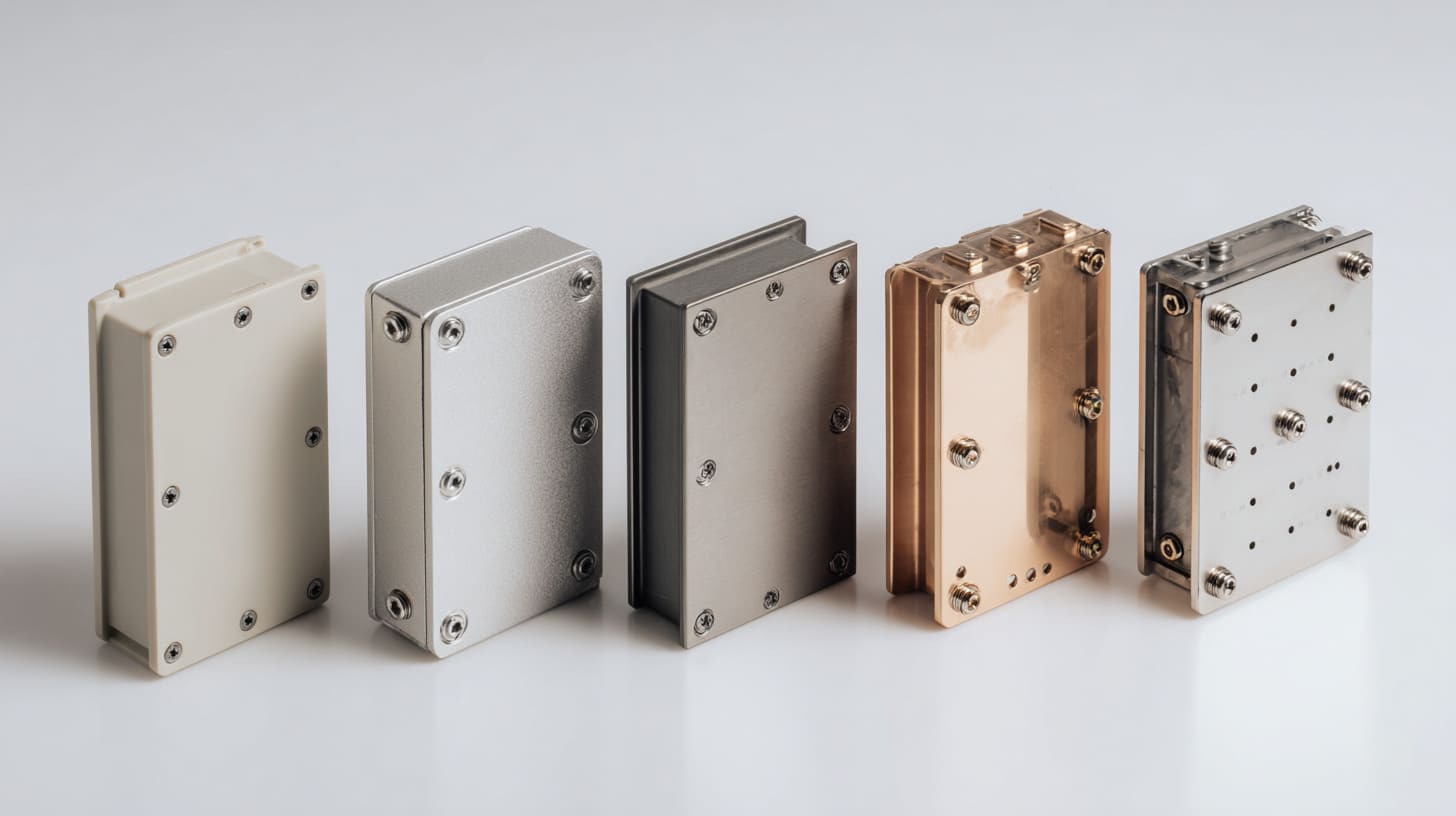
Failing to use one? It’s a red flag to inspectors—and insurance companies.
Can electrical junction boxes be used outdoors?
Definitely—but only the right kind.
Yes, but outdoor electrical junction boxes must be weatherproof and rated for exterior use.
Look for:
- IP65/IP66 or NEMA 3/4 ratings
- Gaskets and seals
- Corrosion-resistant coatings or materials
What is the difference between metal and plastic junction boxes?
It’s not just aesthetics—it’s about grounding and application.
Metal boxes require grounding but are more durable; plastic boxes are easier and non-conductive.
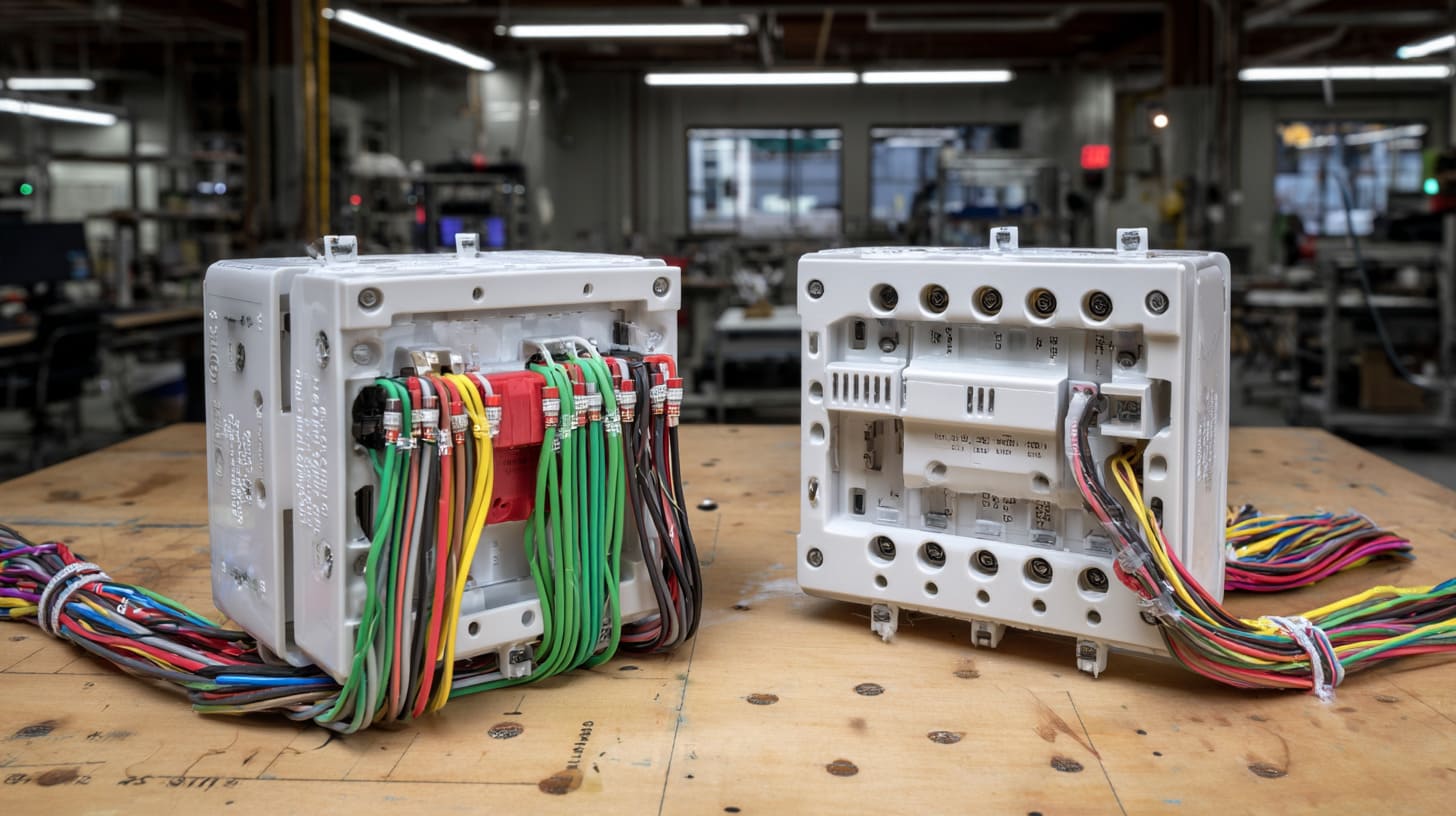
Quick comparison:
| Feature | Metal Box | Plastic Box |
|---|---|---|
| Durability | Higher | Lower |
| Grounding | Required | Not needed |
| Cost | Slightly higher | Lower |
| Flexibility | Less | More |
I often suggest plastic for residential use, and metal for industrial or commercial builds.
How are custom electrical junction boxes manufactured?
This is where things get fun—especially for folks like Davide and John.
Custom junction boxes are manufactured through CNC machining, stamping, bending, and laser cutting, then assembled and surface-treated.

Depending on the order, we might:
- Cut from metal sheets
- Weld or rivet corners
- Add knockouts or cable glands
- Powder-coat or anodize the finish
- Engrave logos or part numbers
For some clients, we redesign the box entirely—from mounting holes to vent patterns.
When should I use a custom electrical junction box instead of a standard one?
When the standard one just doesn’t fit—or doesn’t impress.
Use a custom junction box when standard sizes, shapes, or entry points don’t match your design or environment.
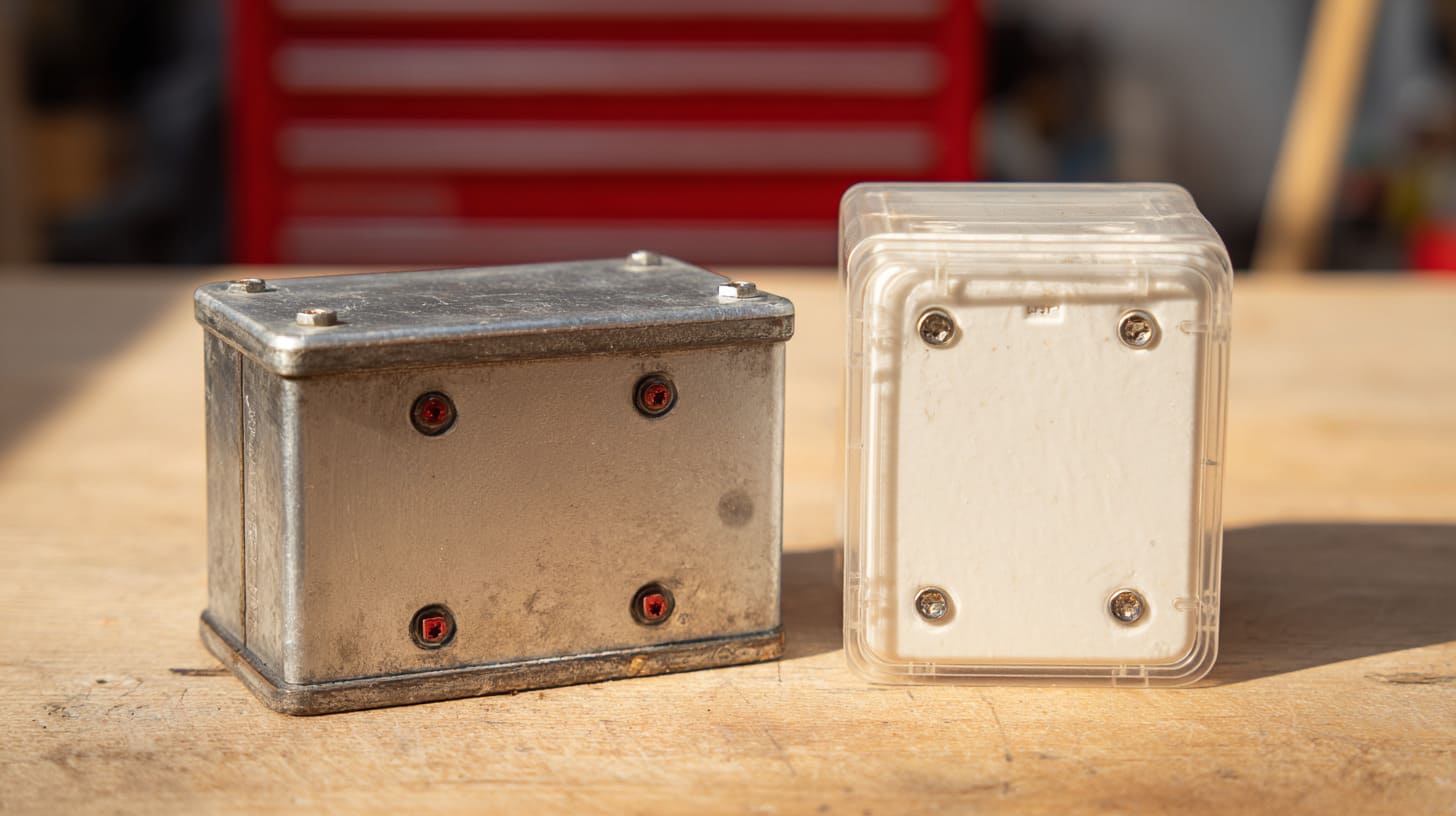
I’ve helped product engineers who needed:
- Exact port locations
- Internal mounting studs
- Branding and labels
- UV-resistant coatings
- Faster heat dissipation
Sometimes it’s about function. Other times, it’s branding. Either way, a custom box gives you control.
Conclusion
A junction box isn’t just a box—it’s where safety begins.