Skip to content
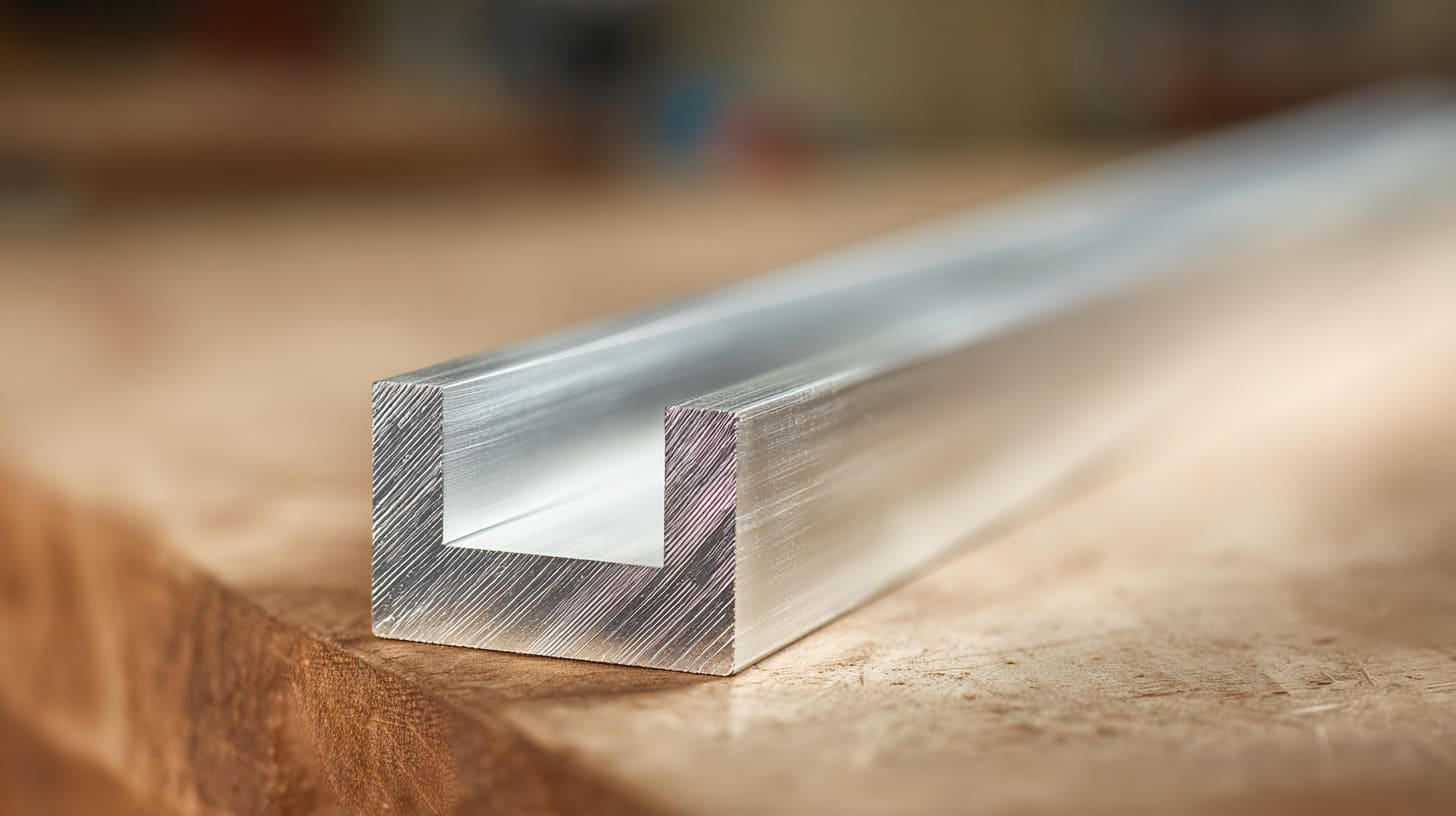
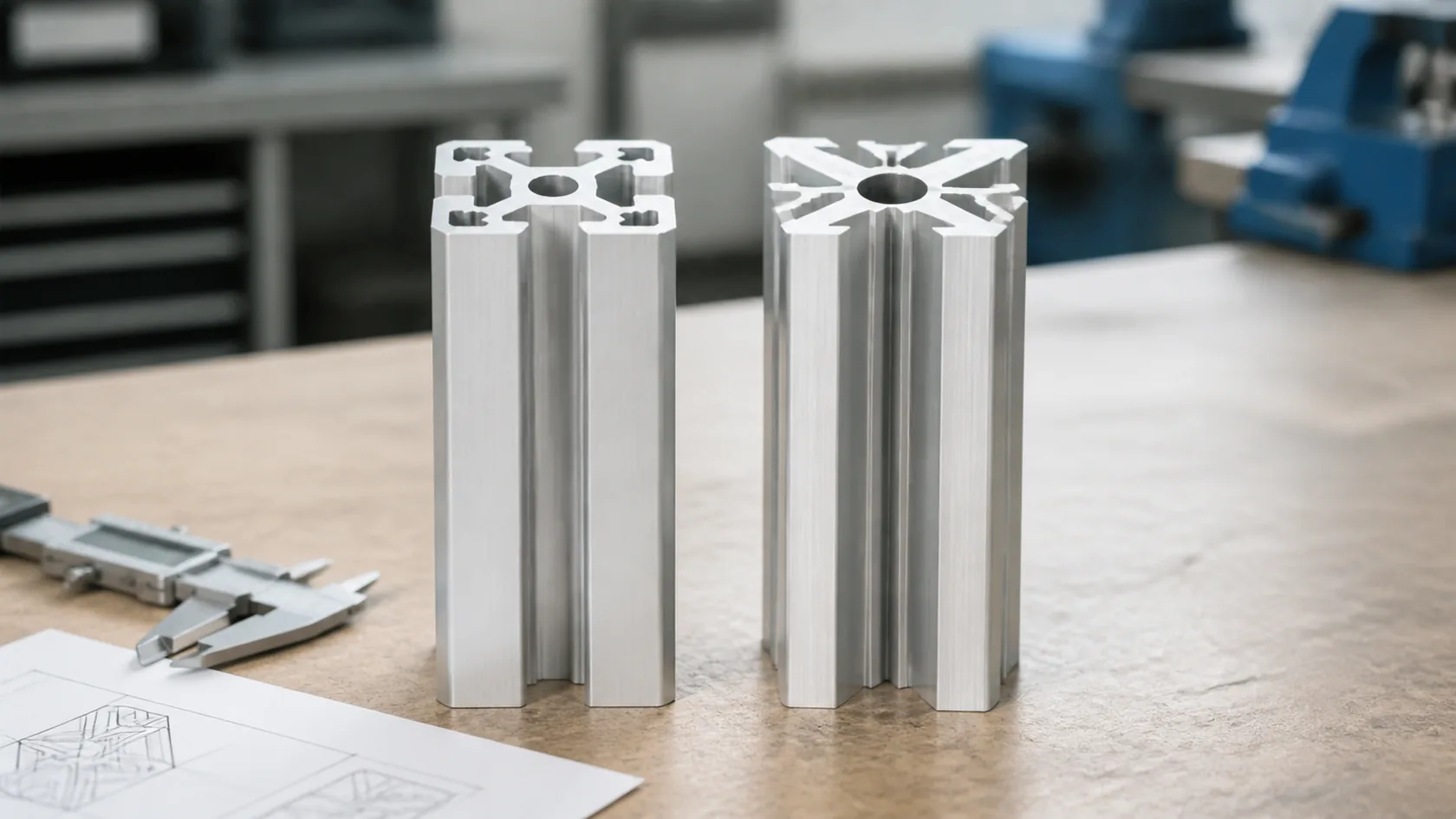
The aluminum profile sat on my workbench, fresh from the CNC. At first glance, it didn’t look like much—just another lightweight bar with clean corners and a satin finish. But when I clamped it for testing and tried to apply force across its span, it didn’t even flinch.
Aluminum extrusions are surprisingly strong, offering excellent structural integrity for lightweight applications, especially when designed with the right alloy, wall thickness, and framing system.
We all know aluminum is lighter than steel. But strength isn’t just about brute force. It’s about how well a material holds up when the pressure hits from all directions. Let’s look deeper.
What are the disadvantages of aluminium extrusion?
Some buyers assume aluminum is a “one size fits all” solution.
Aluminum extrusion can have limits—like thermal expansion, lower yield strength than steel, and sensitivity to fatigue under certain conditions.
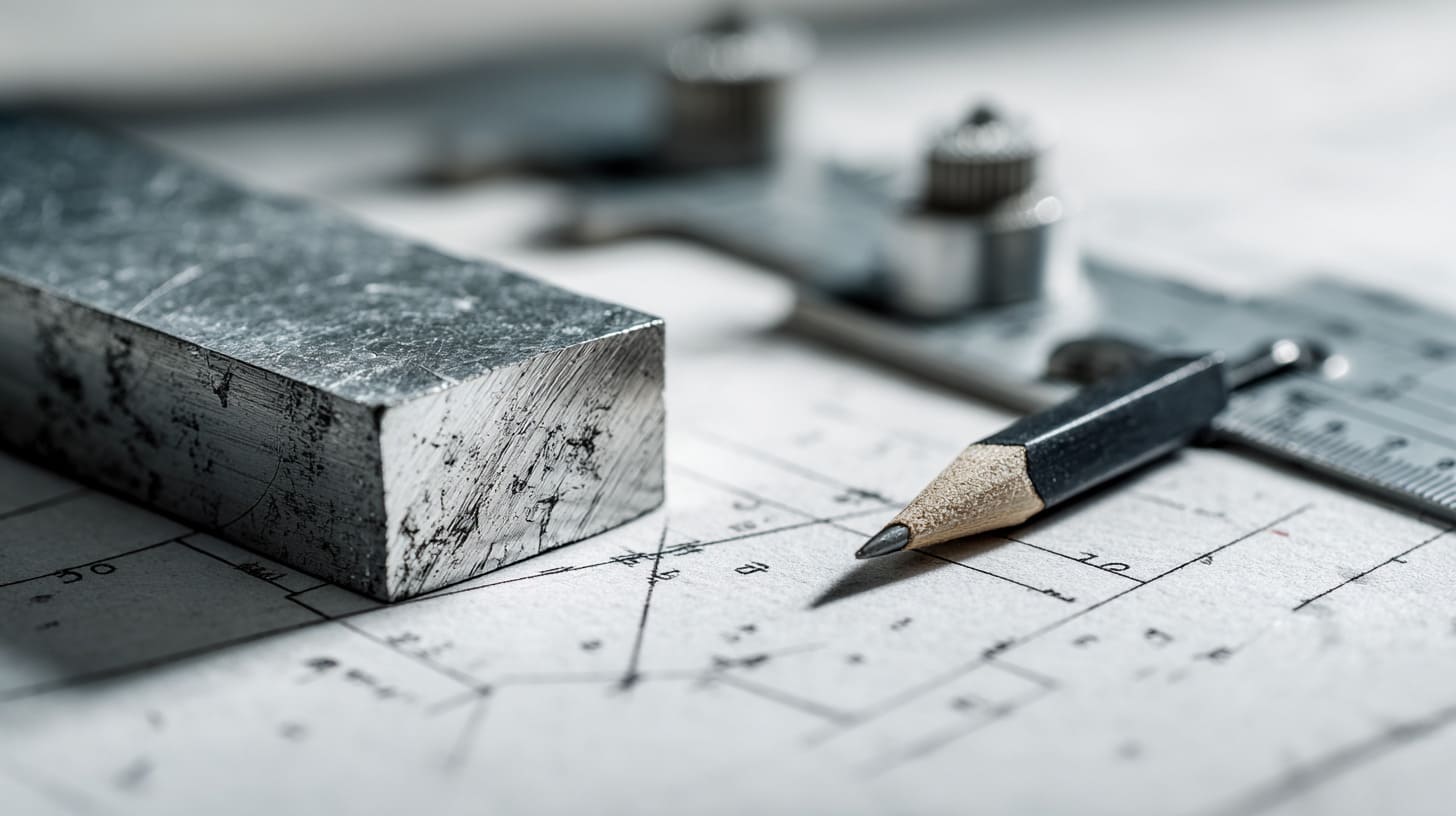
Watch out for the weak points
- Thermal expansion: Aluminum expands more than steel when temperatures rise.
- Surface wear: It can scratch easier than harder metals unless anodized.
- Fatigue failure: Repeated stress on thin sections may cause cracks over time.
If you’re designing a precision-fit product or a load-bearing frame, we always suggest reviewing tolerances and alloy selection carefully.
Does aluminum bend or crack?
Aluminum has a split personality—it’s flexible when you want it to be, and brittle when you push it wrong.
Yes, aluminum can bend or crack depending on the alloy, thickness, and how the load is applied.
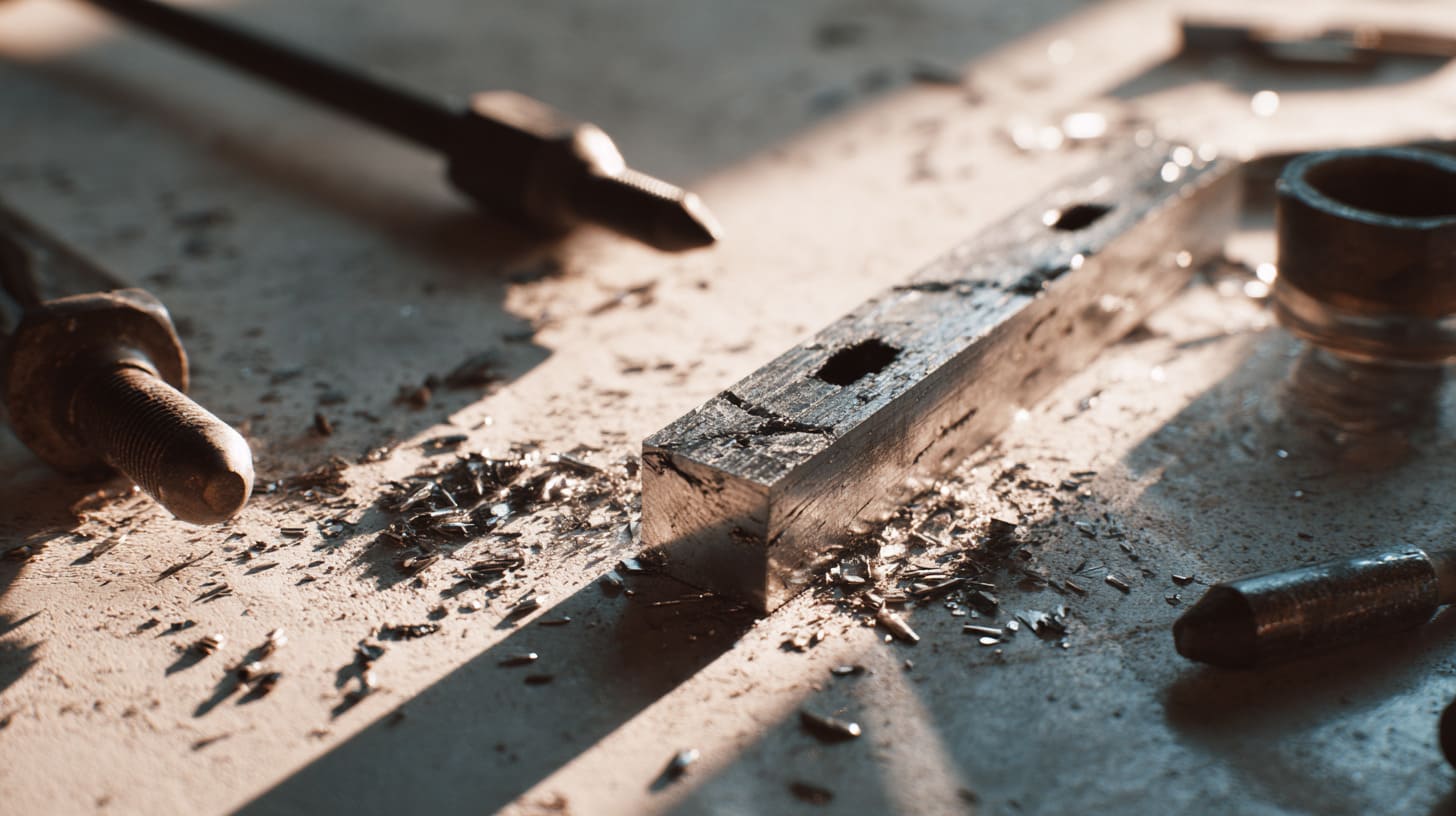
I’ve had clients who tried to drill into thin extrusions without pre-drilling. Result? Cracks. But when properly supported, thicker profiles bend gracefully without snapping.
Alloy and Form Matter
| Alloy | Behavior Under Stress |
|---|---|
| 6061-T6 | Stiff, stronger, can crack if over-bent |
| 6063-T5 | Softer, bends better, but less load-bearing |
| 7075 | Very strong but brittle under flex |
Bending or cracking often comes down to the wrong alloy in the wrong place.
How much weight can aluminium extrusion hold?
This is the question I get asked most in exhibitions.
Standard aluminum extrusions can support anywhere from 100 kg to 500+ kg, depending on profile, length, and support.
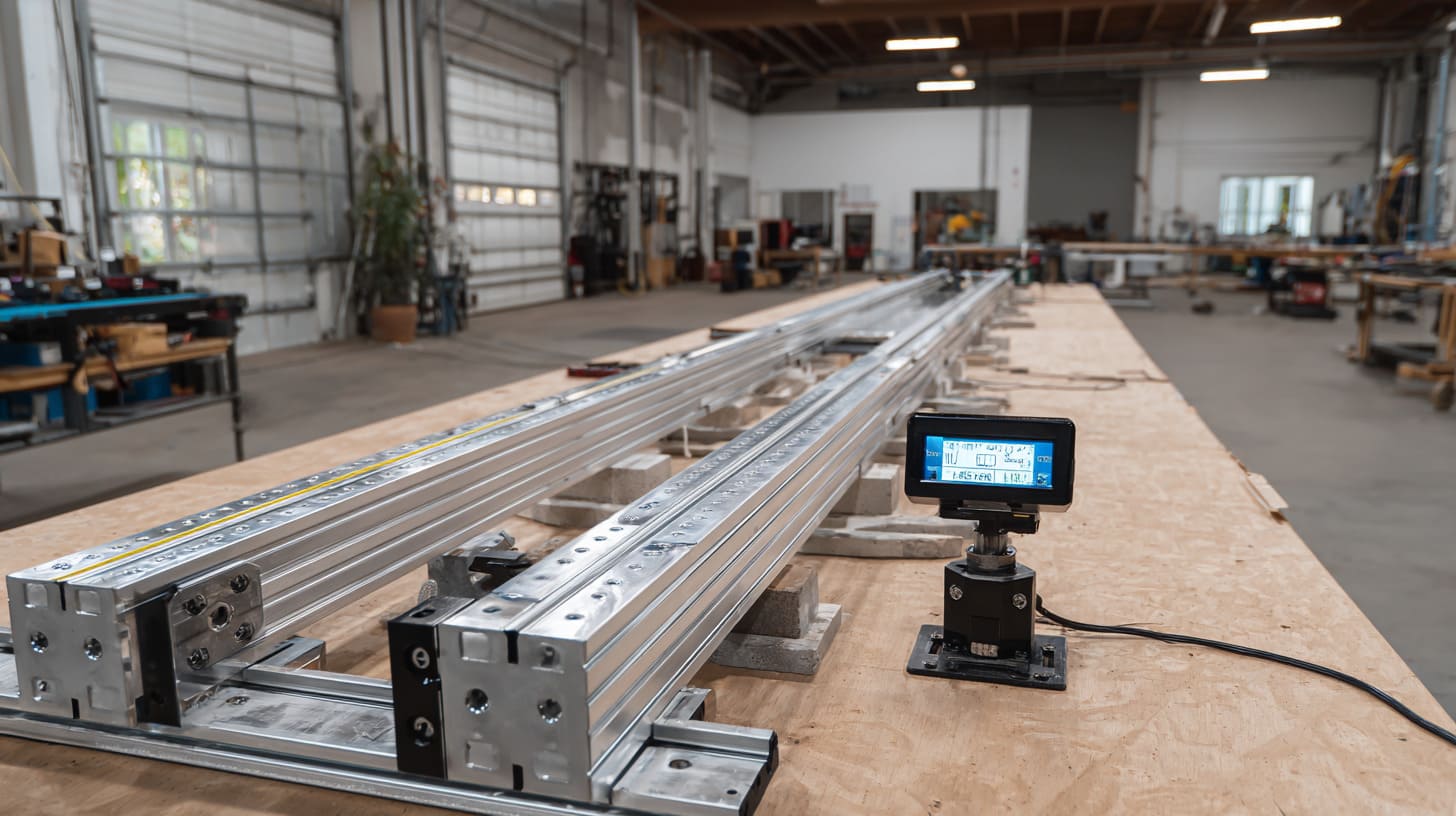
I once helped Jackson from Belgium redesign a modular rack using 40x80 T-slot extrusions. After testing, each vertical column safely held over 300 kg. The secret? Brackets. Wall thickness. And smart load distribution.
It’s Not Just the Metal, It’s the Design
- Larger profiles = higher capacity
- Vertical loads are safer than lateral
- More support brackets = less stress per point
Use real-world simulations when in doubt—we run them in-house all the time.
Is extruded aluminum stronger than steel?
It’s like comparing a featherweight boxer to a heavyweight. They both win—but in different ways.
Extruded aluminum is not stronger than steel by weight, but it offers a better strength-to-weight ratio and corrosion resistance.
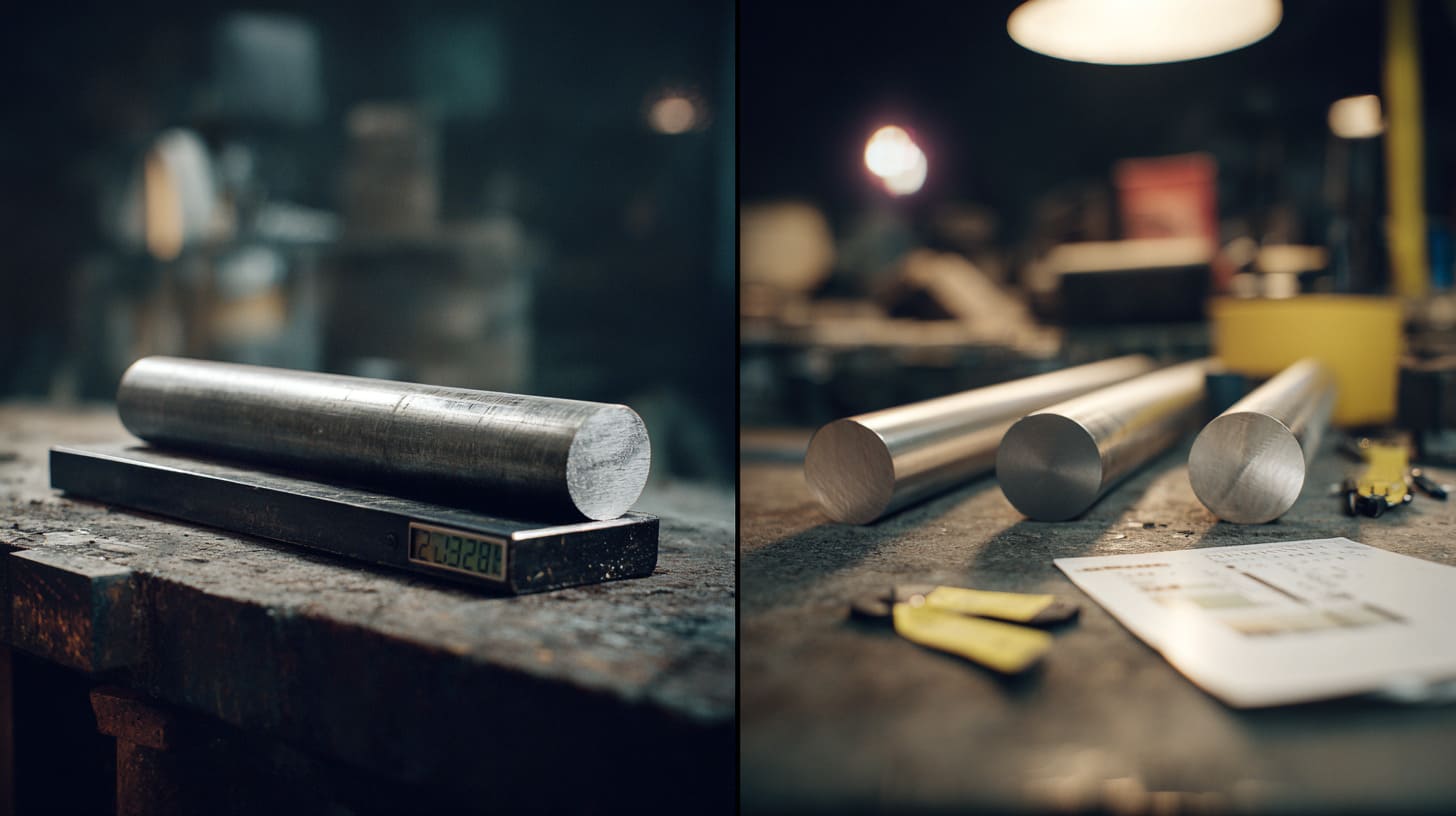
Steel wins when you just need brute strength. But for lightweight structures or fast builds, aluminum can be better overall.
Compare the Metrics
| Property | Aluminum (6061-T6) | Steel (mild) |
|---|---|---|
| Density (g/cm³) | 2.7 | 7.85 |
| Tensile Strength | ~290 MPa | ~400–550 MPa |
| Strength/Weight | High | Moderate |
| Corrosion Resist. | Excellent | Poor |
How strong is 80/20 aluminum extrusion?
Let’s talk about the favorite framing system in prototyping.
80/20 aluminum extrusion is strong enough for most mechanical frames, carts, jigs, and equipment housing—depending on how it's braced and joined.
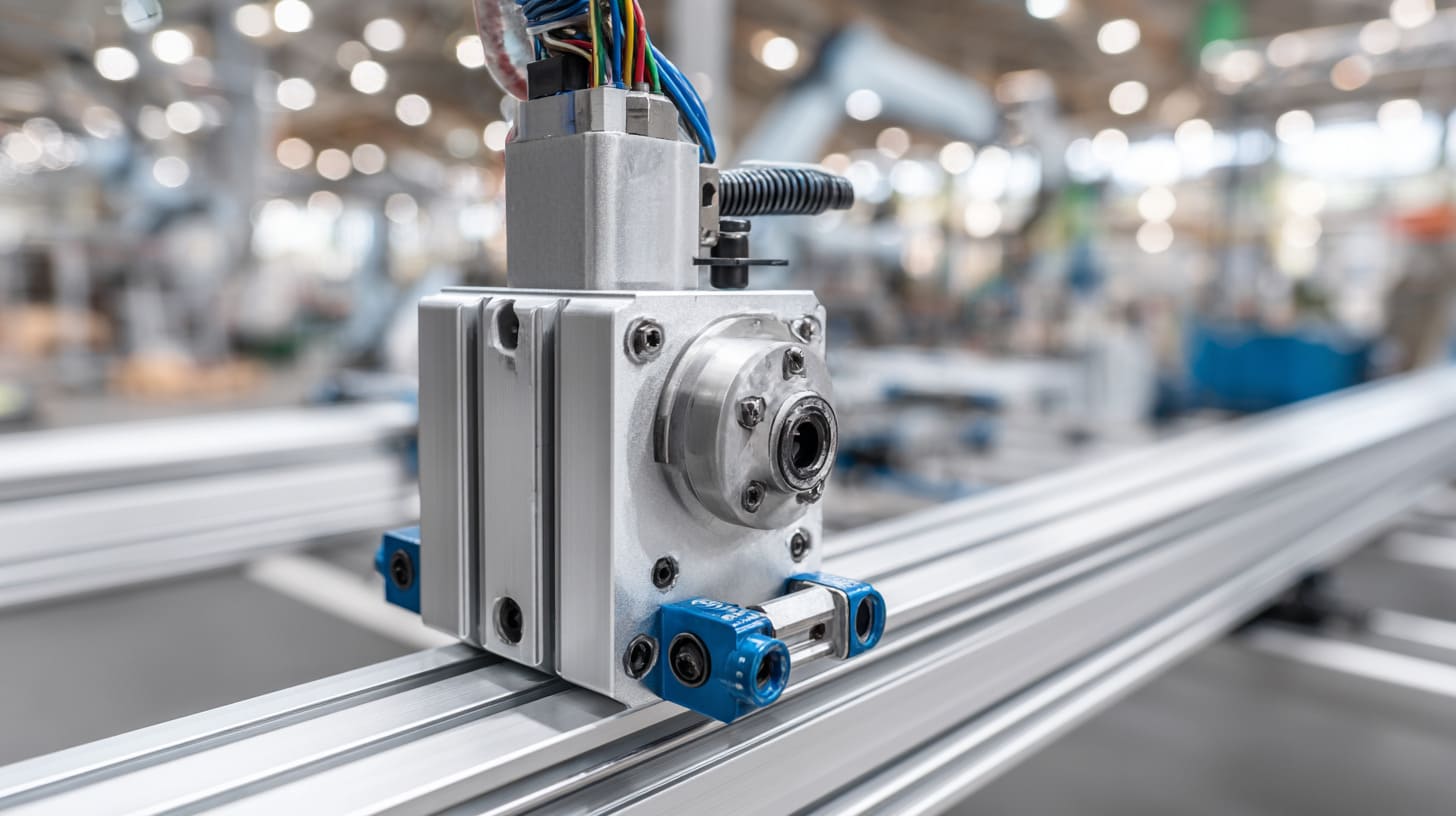
I’ve built enclosures with this for robotic arms, and even when vibration kicks in, the frame stays solid.
What factors affect the strength of aluminum extrusions?
Small choices stack up fast.
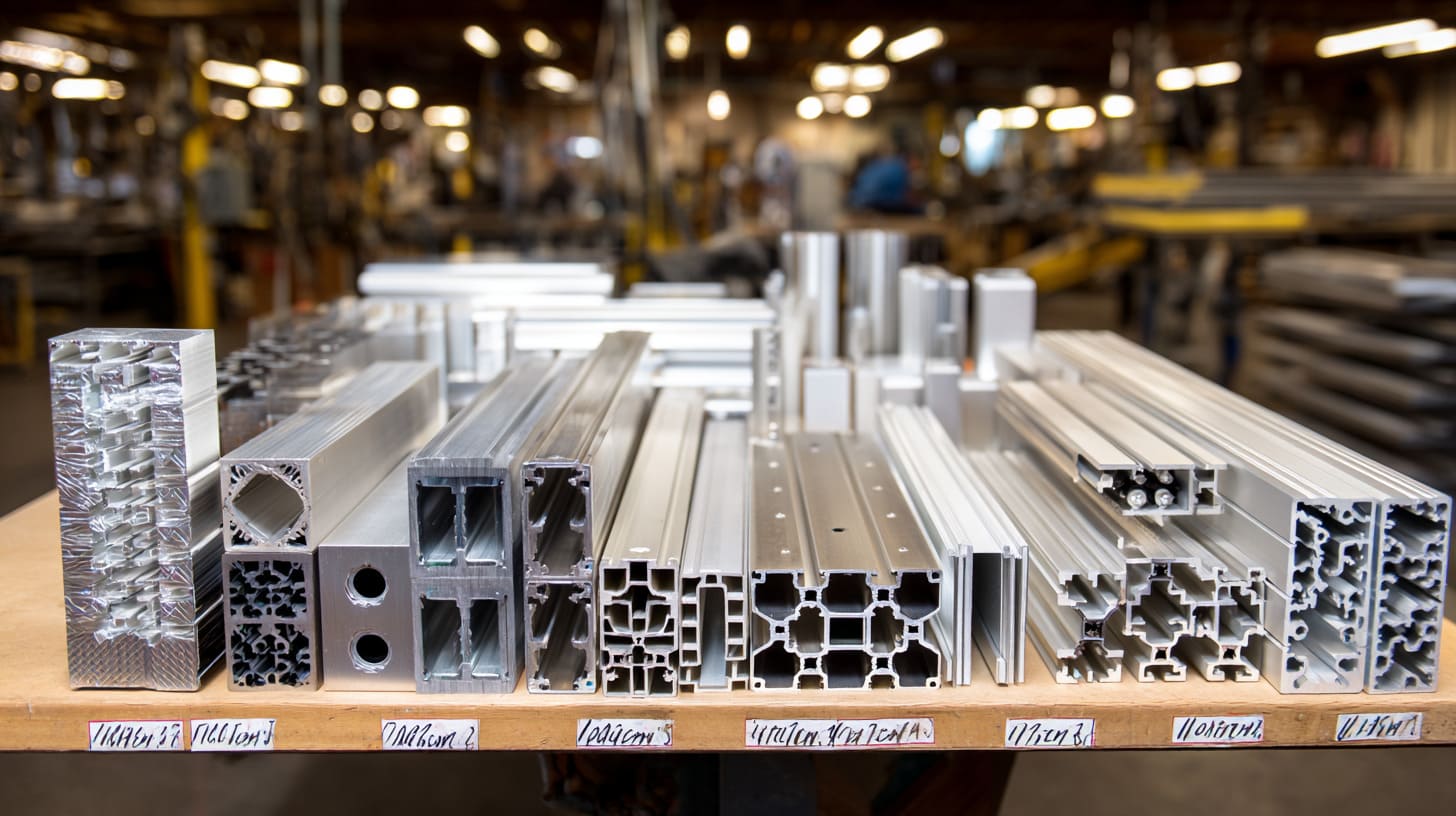
Strength depends on alloy choice, wall thickness, profile geometry, joint method, and environmental exposure.
Design Checklist
- Choose the right alloy for your load needs
- Use proper fasteners or brackets (avoid over-tightening)
- Apply surface treatment if corrosion is a concern
- Watch for long unsupported spans
How do aluminum extrusions compare to steel in strength?
Steel is stronger per unit area, but aluminum extrusions provide more flexibility with less weight and better resistance to rust.
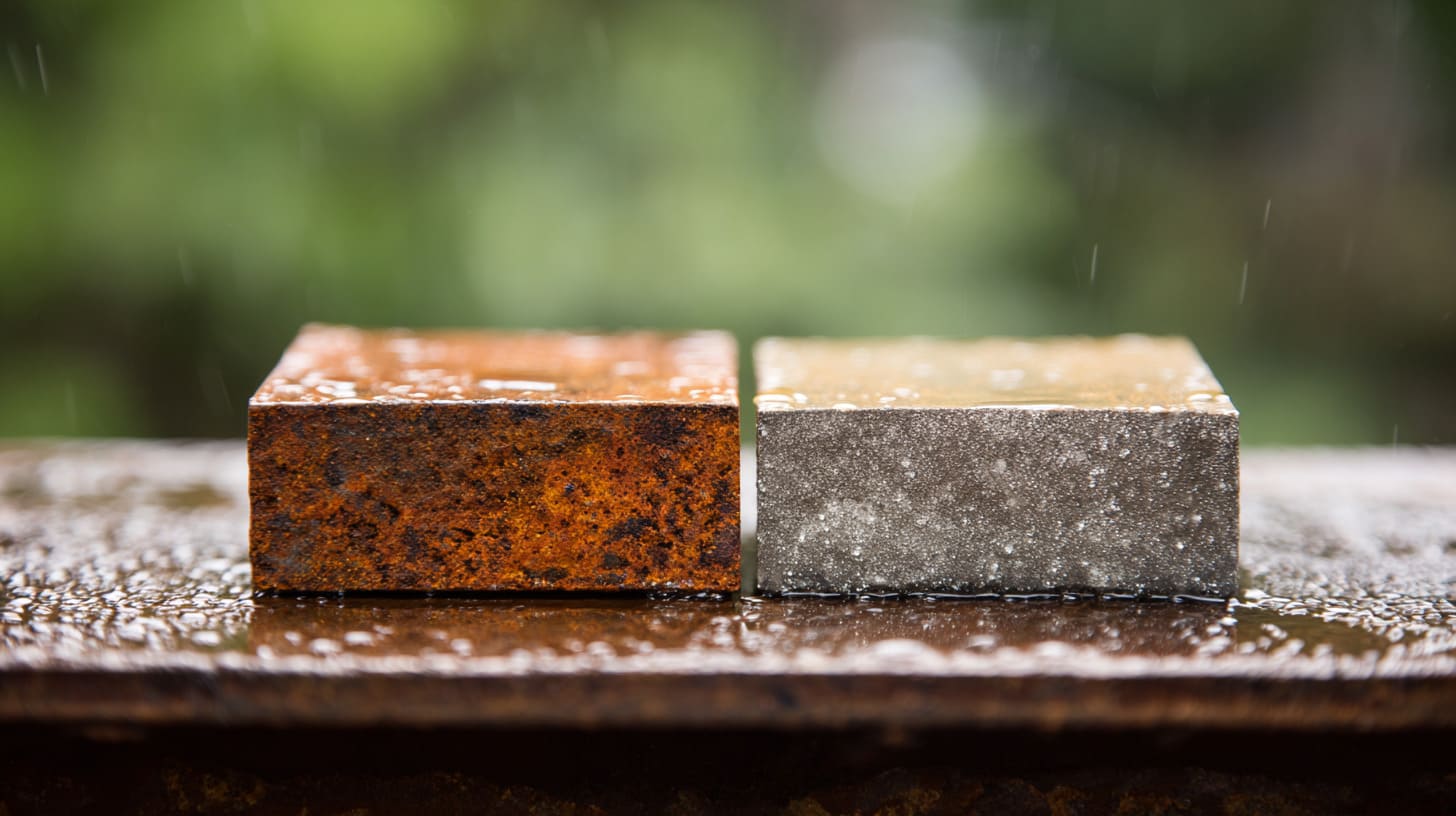
For industrial buyers like Davide, who often needs strength and fast shipping, aluminum wins simply because we can move it quicker, machine it faster, and cut costs.
Which aluminum alloy is best for strong extruded enclosures?
6061-T6 is best for high strength; 6063-T5 is better for smooth finishes and moderate strength.
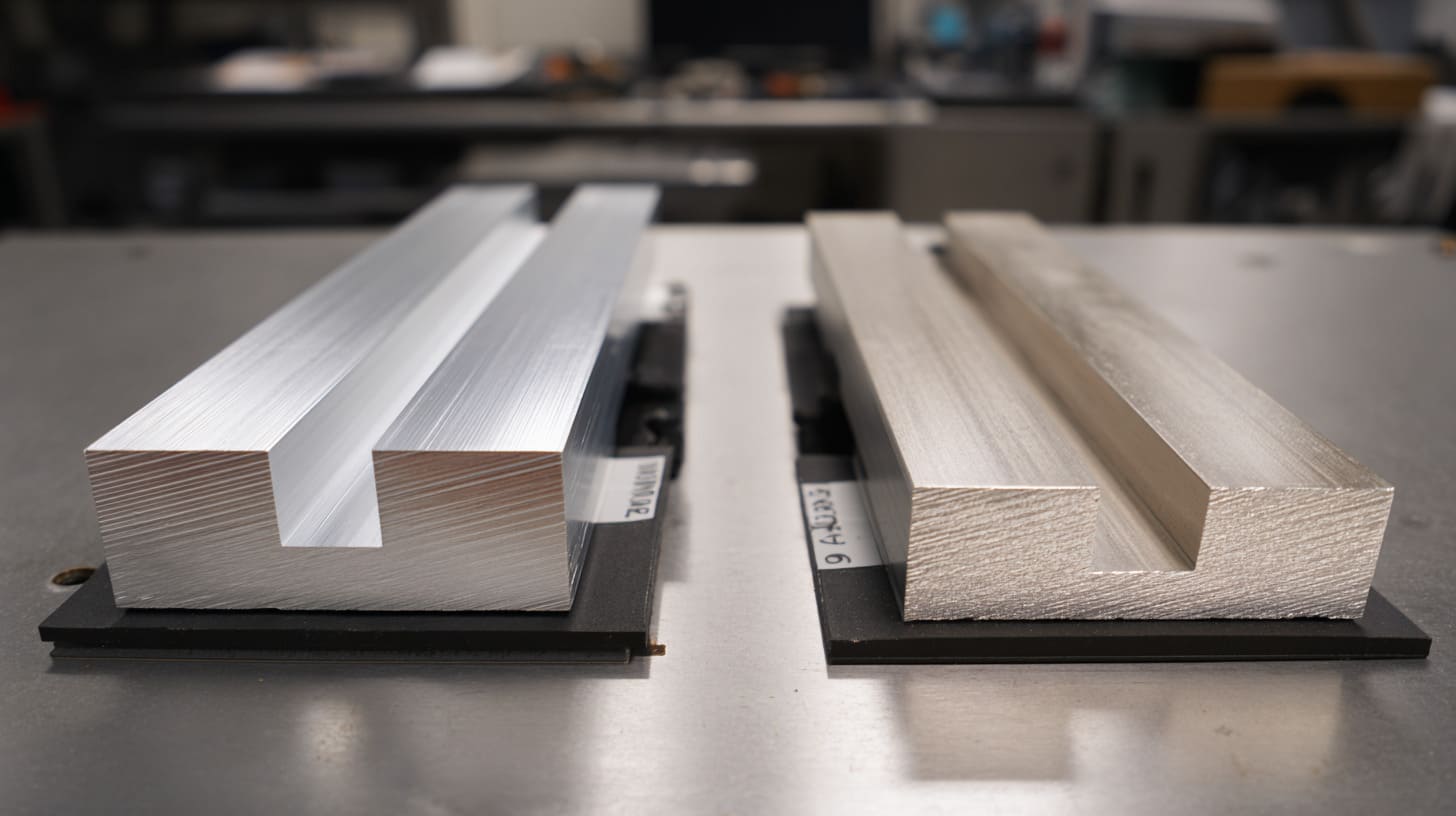
If your enclosure needs precise machining or threading, go with 6061. For aesthetic panels or non-load-bearing frames, 6063 saves cost.
Can custom aluminum extrusions handle heavy-duty applications?
Yes—and we’ve done it.
Heavy-duty applications are no problem when profiles are thick enough, and joints are reinforced.
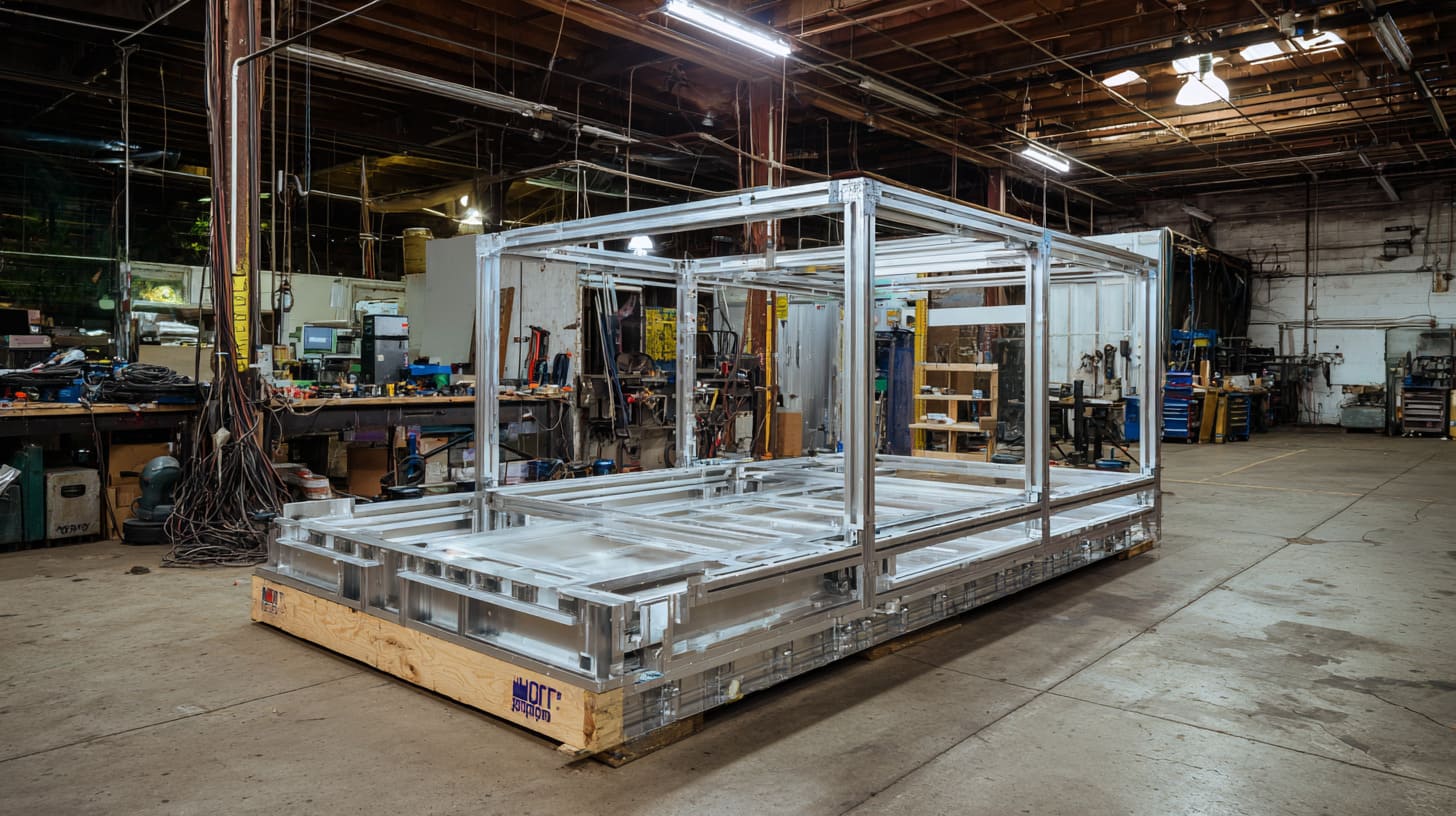
I worked with a client in Canada building lab equipment frames—each side of the cabinet used double-wall extrusions and carried over 800 kg. Custom brackets did the trick.
Is T-slot aluminum framing strong enough for industrial use?
Yes, when properly engineered, T-slot aluminum framing is used across automation, robotics, and industrial furniture.
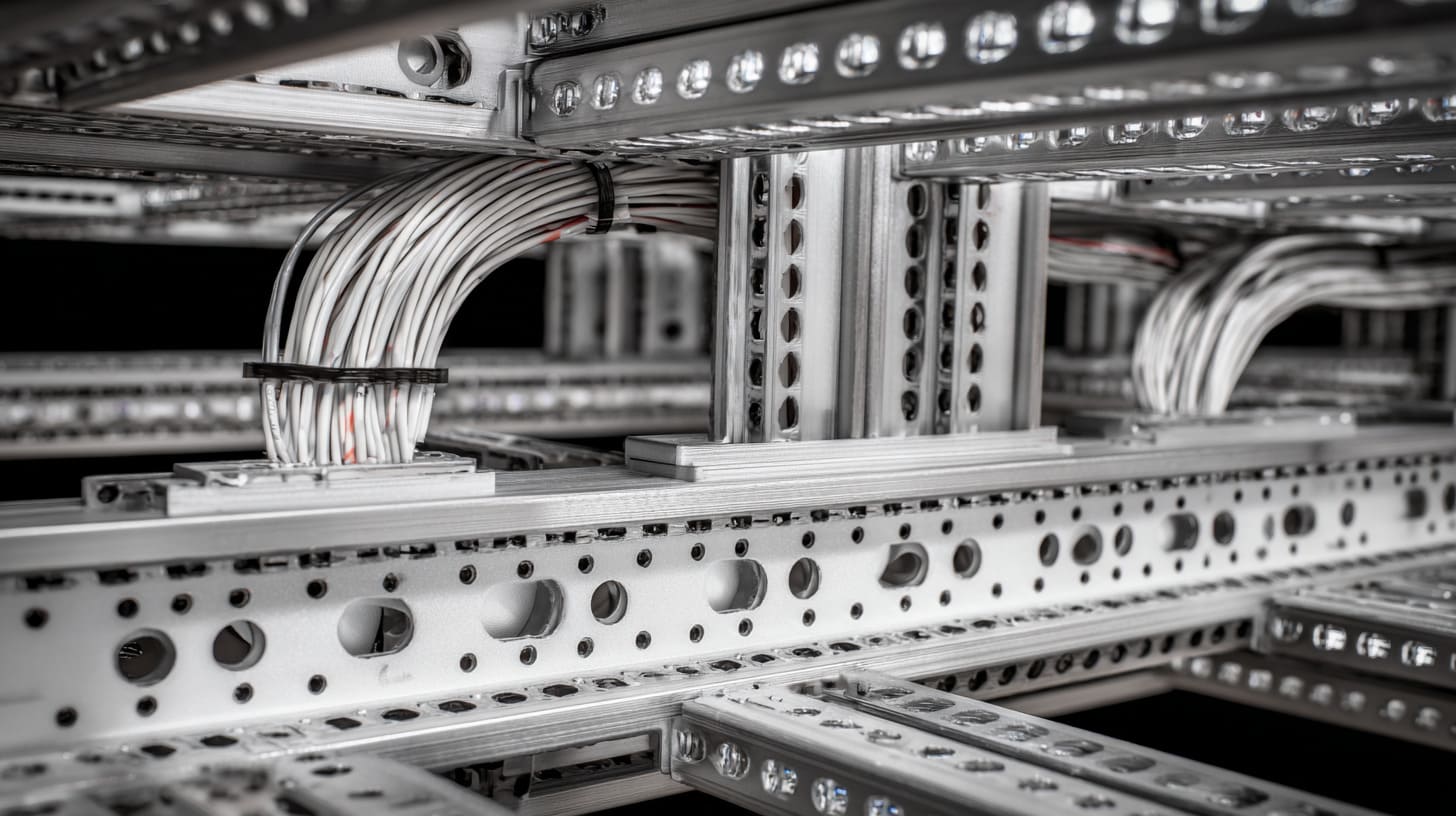
We’ve shipped T-slot systems to dozens of countries for industrial clients. It's quick to assemble, easy to modify, and strong enough for most line-based systems.
How thick should aluminum extrusions be for structural support?
Wall thickness should range from 2mm to 5mm for structural support, depending on the load and span.
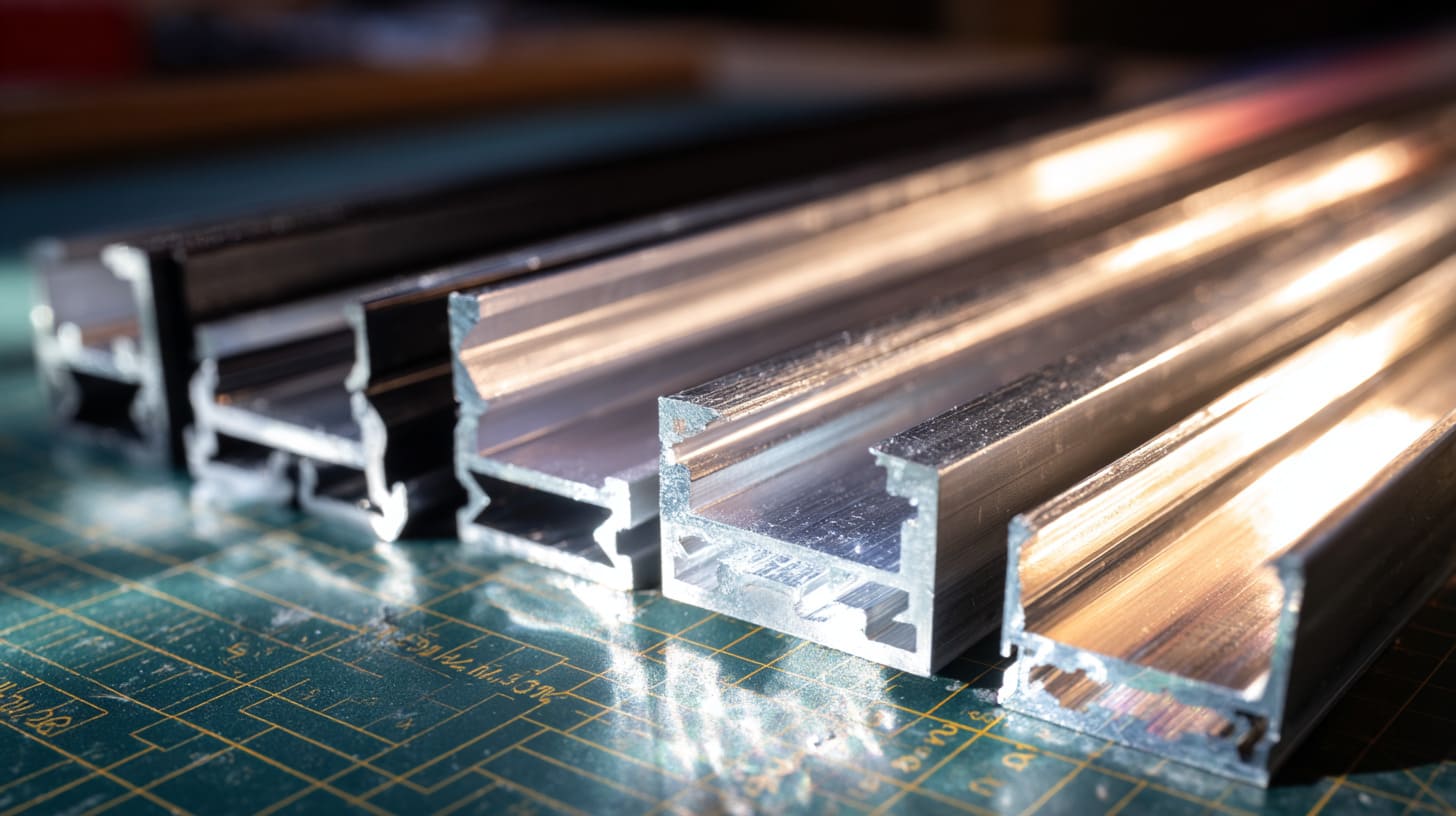
We typically recommend:
- 2mm–2.5mm: For light support (panels, trays)
- 3mm–4mm: Medium structural (frames, cabinets)
- 5mm+: Heavy-duty (racks, load-bearing columns)
What is the difference between 6061 and 6063 for strength?
6061 is stronger and more machineable, while 6063 is softer and easier to extrude.
Both are good, but your usage decides the winner.
Do anodized aluminum extrusions lose strength over time?
No, anodizing doesn’t weaken aluminum—it protects it.
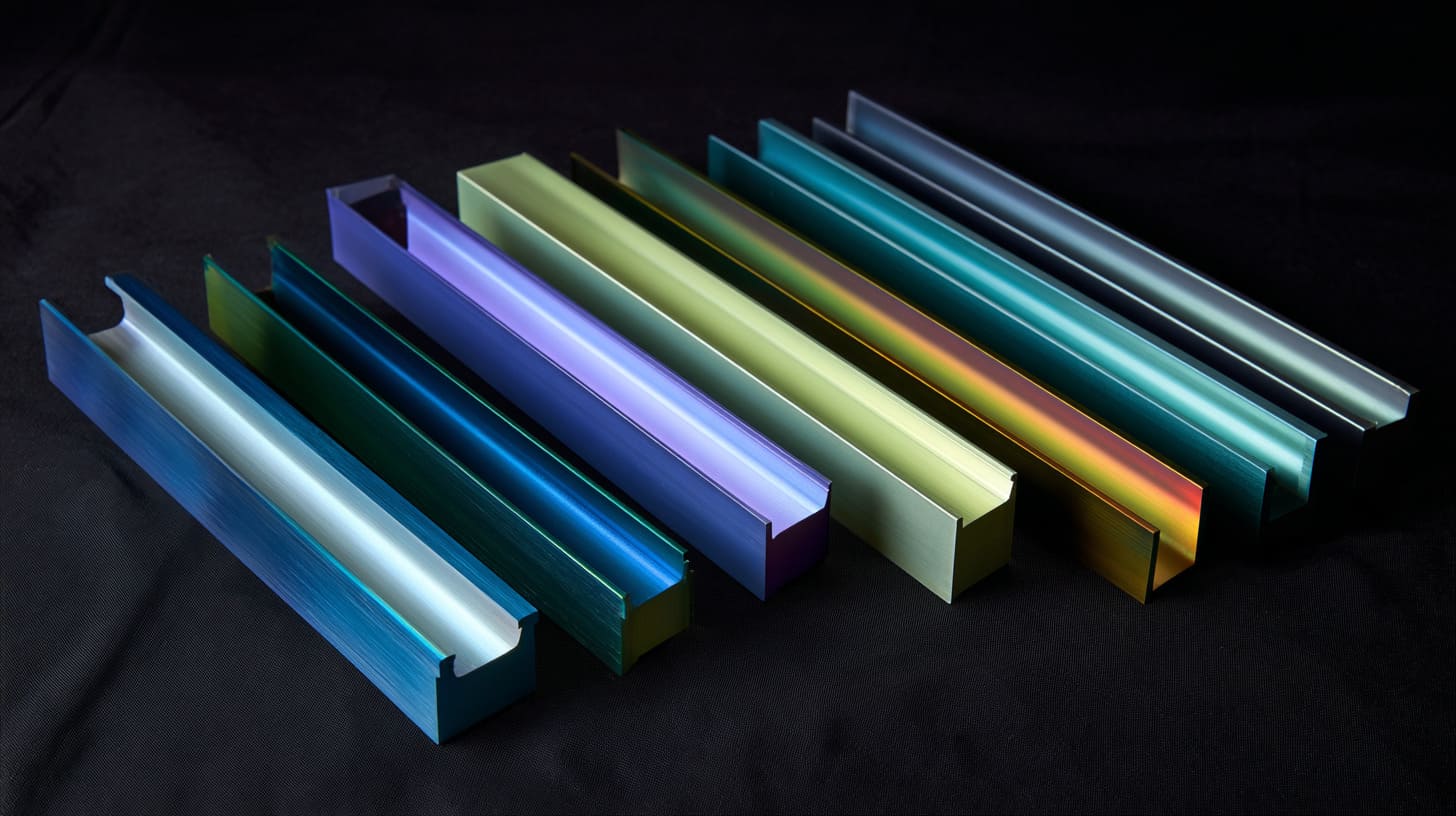
We anodize almost every batch we export. It adds scratch resistance, better grip for paint, and UV protection without hurting strength.
Complex designs with thin walls may look good, but thick-walled, simple geometries last longer.
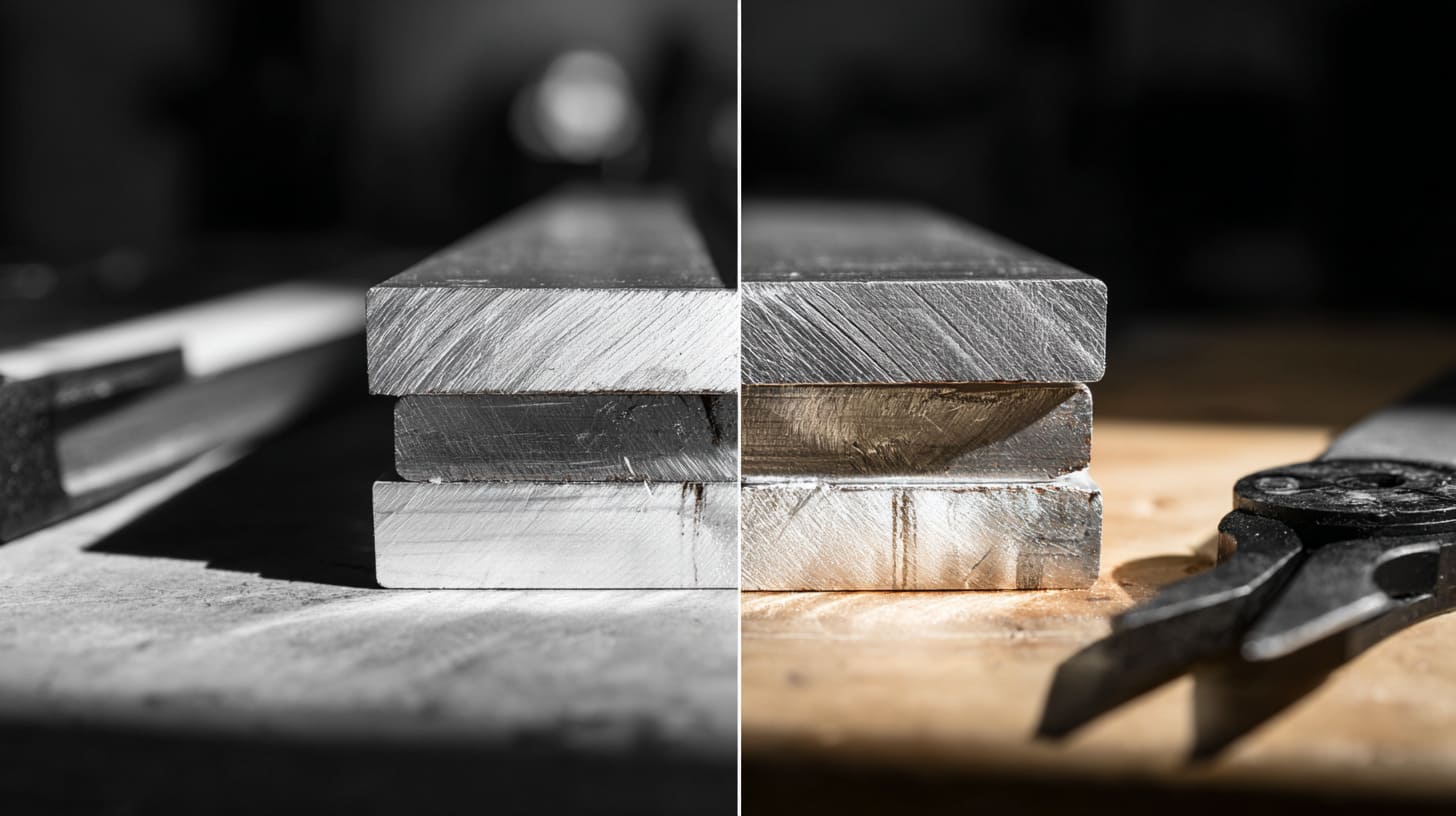
When in doubt, I always suggest adding a little more meat to the wall—even 0.5mm makes a difference when vibration or stress is involved.
Are aluminum extrusions suitable for outdoor or corrosive environments?
Yes, with the right treatment—like anodizing or powder coating—aluminum extrusions hold up well outdoors.
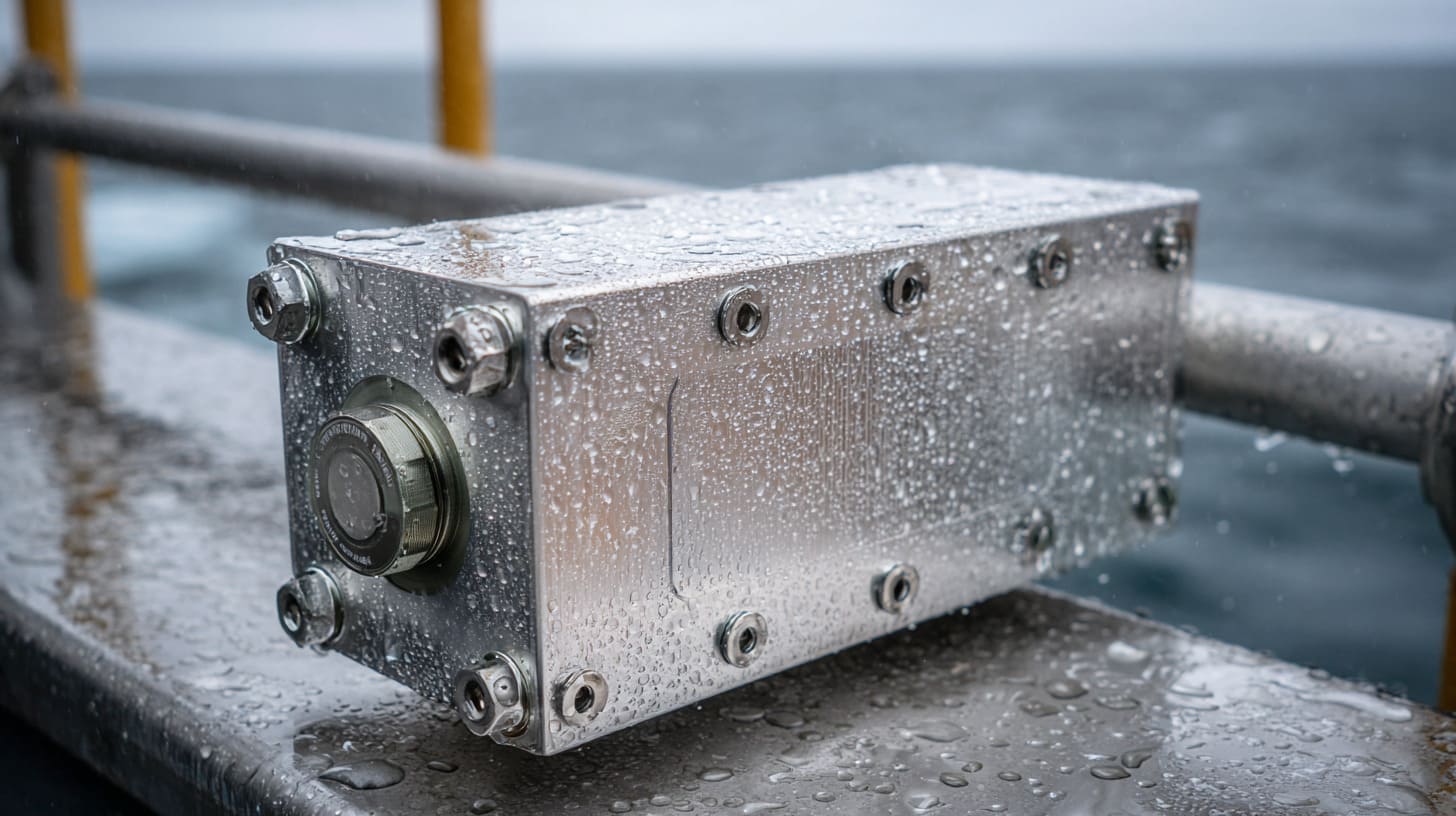
We’ve supplied cases to marine and solar industries—these customers request hard anodizing or special coatings. No rust. No flaking.
Conclusion
Aluminum extrusions are strong, versatile, and surprisingly capable in structural applications.