Skip to content

It started with an email that seemed ordinary — a buyer from Europe wanted a custom plastic enclosure for their new project. But one short line in their message caught my eye: “Must be UL Listed.”
That small note shifted the entire discussion. Suddenly, it wasn’t just about materials or machining tolerances — it was about compliance, safety, and trust. I realized then how often those three letters—UL—decide whether a product moves forward or gets stuck in paperwork.
For factories like ours at MaidaTech, and for engineers like David or Jackson, understanding UL standards isn’t optional. It’s part of the language of doing global business. So, what does “UL Listed” really mean? And why does it matter so much for custom enclosure projects like ours?
1. What is the Underwriters Laboratories (UL)?
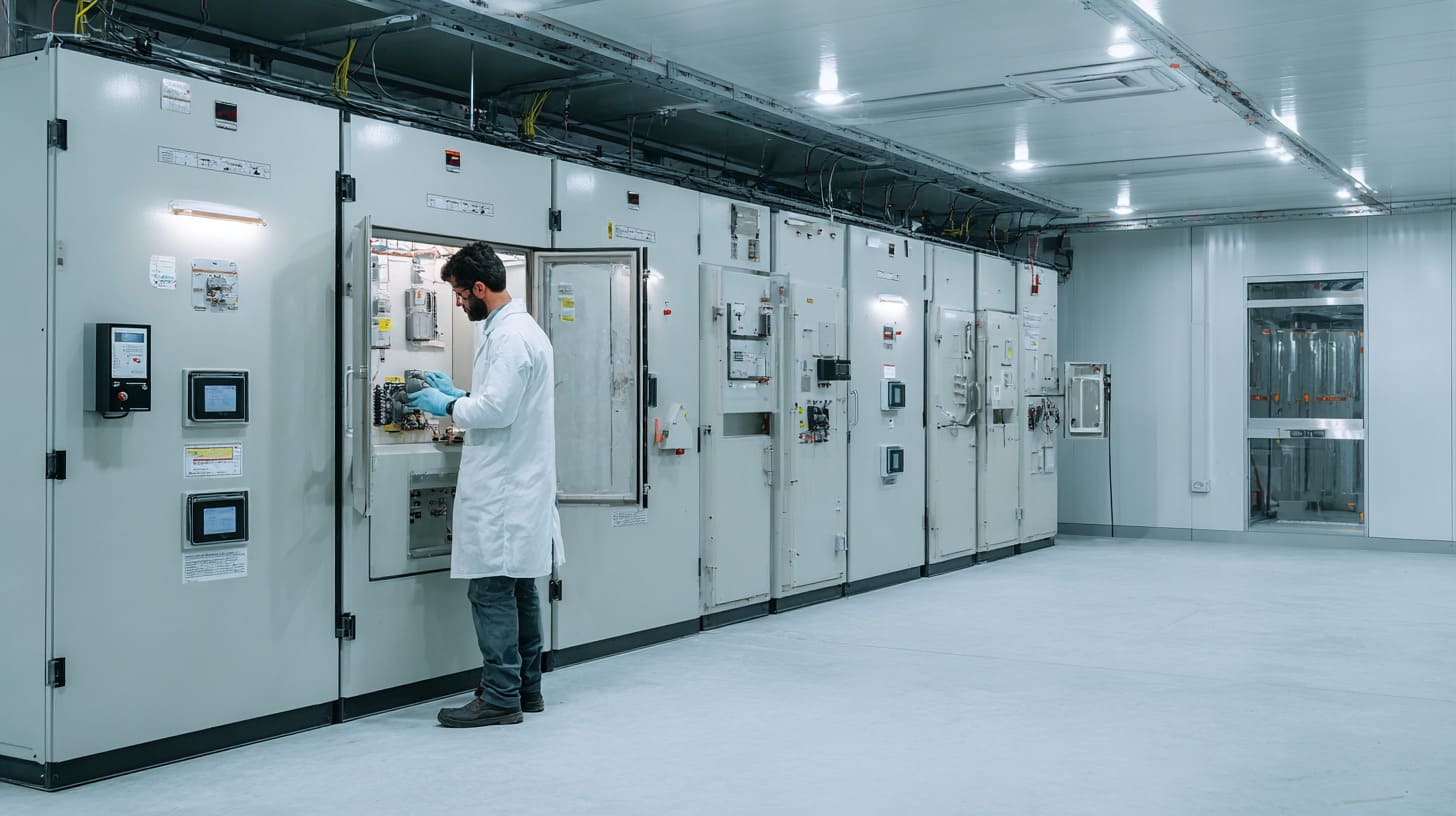
1.1 Origins and mission of UL
UL, short for Underwriters Laboratories, has been around for over a century. They started in 1894, testing fire safety of electrical products—right around the time electricity was becoming mainstream. Their mission? Simple but powerful: make the world a safer place.
1.2 What UL does: testing, standards, the mark
UL develops safety standards, then puts products through tough testing to see if they meet them. If a product passes, it gets the famous UL mark. That mark tells buyers, “This item won’t catch fire, explode, or fail under regular use.”
They test:
- Electrical safety
- Fire resistance
- Material behavior
- Environmental exposure
1.3 How UL fits into product safety, compliance and market access
UL isn’t a government agency, but in North America, their certification carries serious weight. It’s often required by:
- Insurance companies
- Building codes
- Retail buyers
- OEMs in regulated industries
Without it, some buyers won’t even touch your product. Especially in the U.S. or Canada.
Sometimes, when I explain this to new customers like John from Hungary, they’re surprised. But once they understand how it works, they appreciate the extra safety and trust it brings.
And speaking of trust…
2. What Does “UL Listed” Actually Mean?
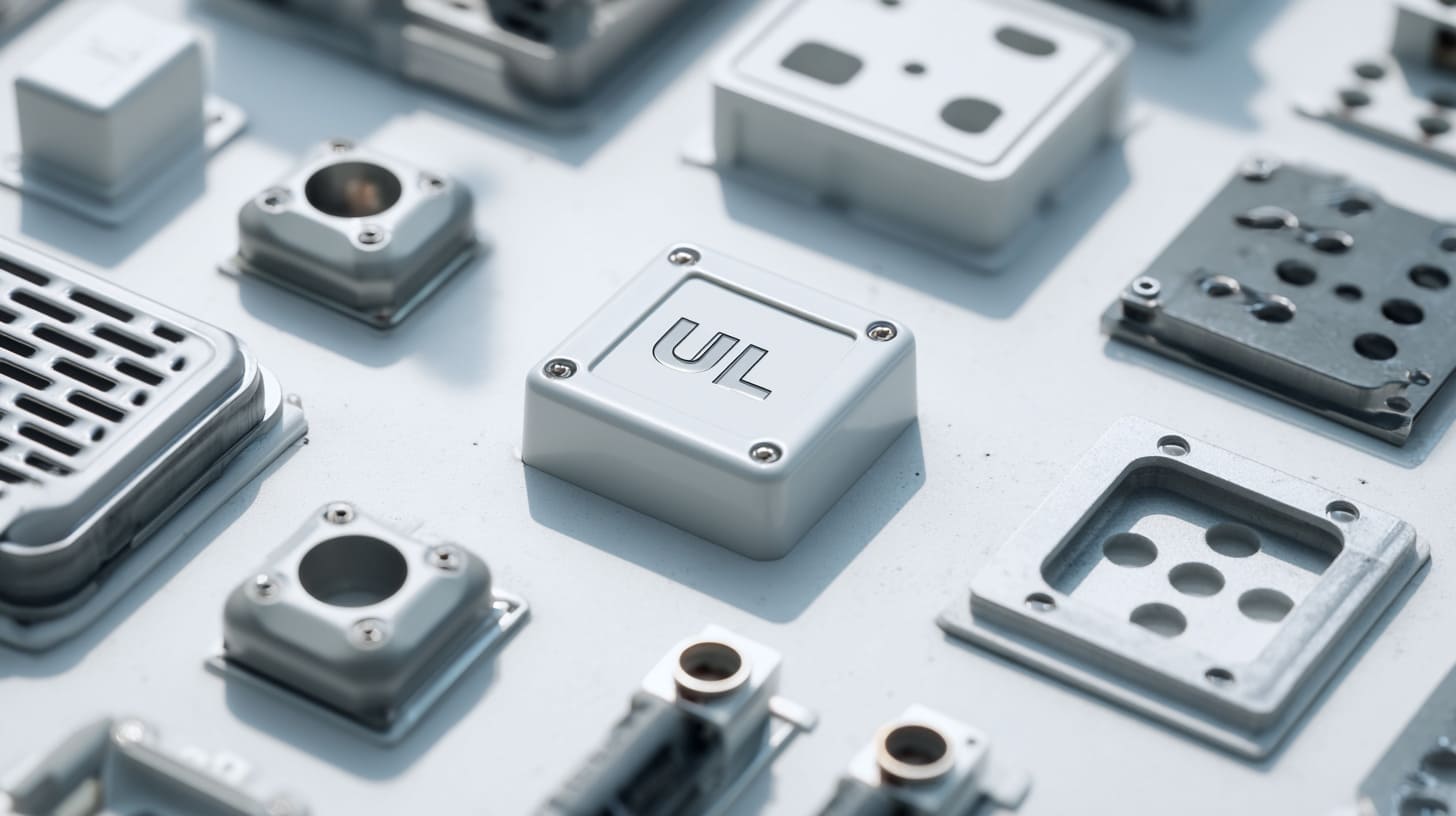
2.1 Definition of UL Listed — finished products tested by UL
When something is UL Listed, it means the whole product has been tested and approved by UL for specific use conditions. It’s not just the parts—it’s the actual, finished product.
For example, if we design a fully assembled enclosure for a smart home controller, and UL approves it, that entire enclosure + electronics + assembly is now UL Listed.
2.2 Key criteria: safety, fire/electrical hazards, performance under the standard
To earn that label, the product has to pass several layers of testing:
| Test Area | What It Checks |
|---|---|
| Electrical insulation | Prevents shorts and shocks |
| Fire resistance | Will it burn or melt under overload? |
| Material performance | Handles heat, impact, moisture, etc. |
| Labeling & warnings | Clear and durable safety markings |
2.3 Difference between “UL Listed” vs “UL Recognized” vs other UL marks
This part trips up even experienced buyers. Let’s break it down:
| UL Term | What It Means |
|---|---|
| UL Listed | Finished product approved for use by consumers |
| UL Recognized | Component approved to be part of a bigger UL-listed product |
| UL Certified | Broad term, can refer to either listed or recognized |
So when David asks if our enclosures are UL certified, I always clarify—are we talking enclosure parts (UL Recognized), or the full assembly (UL Listed)?
The answer makes a big difference.
3. Why UL Listing Is Important for B2B Suppliers and OEMs
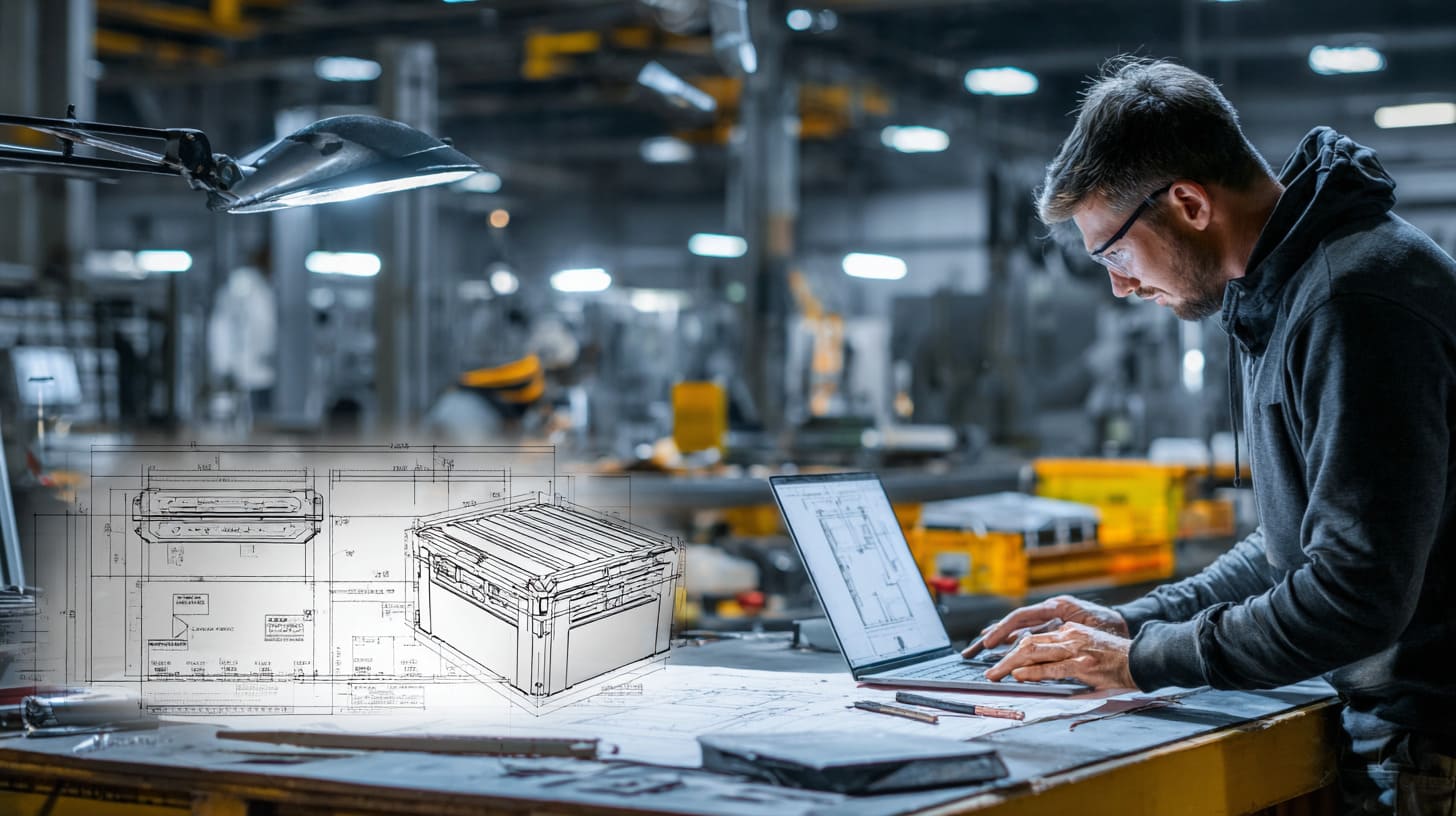
3.1 Market trust and brand credibility — why your buyer cares
Put simply, UL equals trust. For large OEMs and retailers, a product without UL is like a car without brakes—it might work, but are you willing to risk it?
When Jackson from Belgium rebrands our aluminum enclosures, having UL‑Listed versions helps him land bigger clients. It gives his buyers confidence—because UL is a name they recognize.
3.2 Regulatory, code & insurance implications — when listing matters legally or contractually
In some regions, UL compliance is not just a bonus—it’s the law. Think building automation systems, medical devices, fire protection gear. Without it, you can't sell, install, or insure the product.
So if your buyer is in a regulated space, and you send them non‑UL parts… it can cost them more than money. It can delay their entire rollout.
3.3 Risk reduction: liability, product failure, recalls
UL isn’t foolproof, but it significantly lowers the risk of:
- Product recalls
- Lawsuits after an incident
- Failures due to electrical or thermal stress
I’ve seen cases where products without UL listing were blamed—even when the problem wasn’t their fault.
3.4 For a factory like yours (custom enclosures) — how UL listing (or its absence) impacts sourcing, sales and differentiation
If you're selling to the U.S. or Canada, and your enclosure is part of a smart device, power system, or industrial panel—chances are, someone along the chain will ask for a UL listing.
In these cases, offering UL‑ready parts gives you an edge over suppliers who say “we can’t provide that.”
Sometimes, I even help customers design with UL in mind from day one.
Not all of them know how the process works. Let’s look at that next.
4. How Does a Product Get UL Listed?
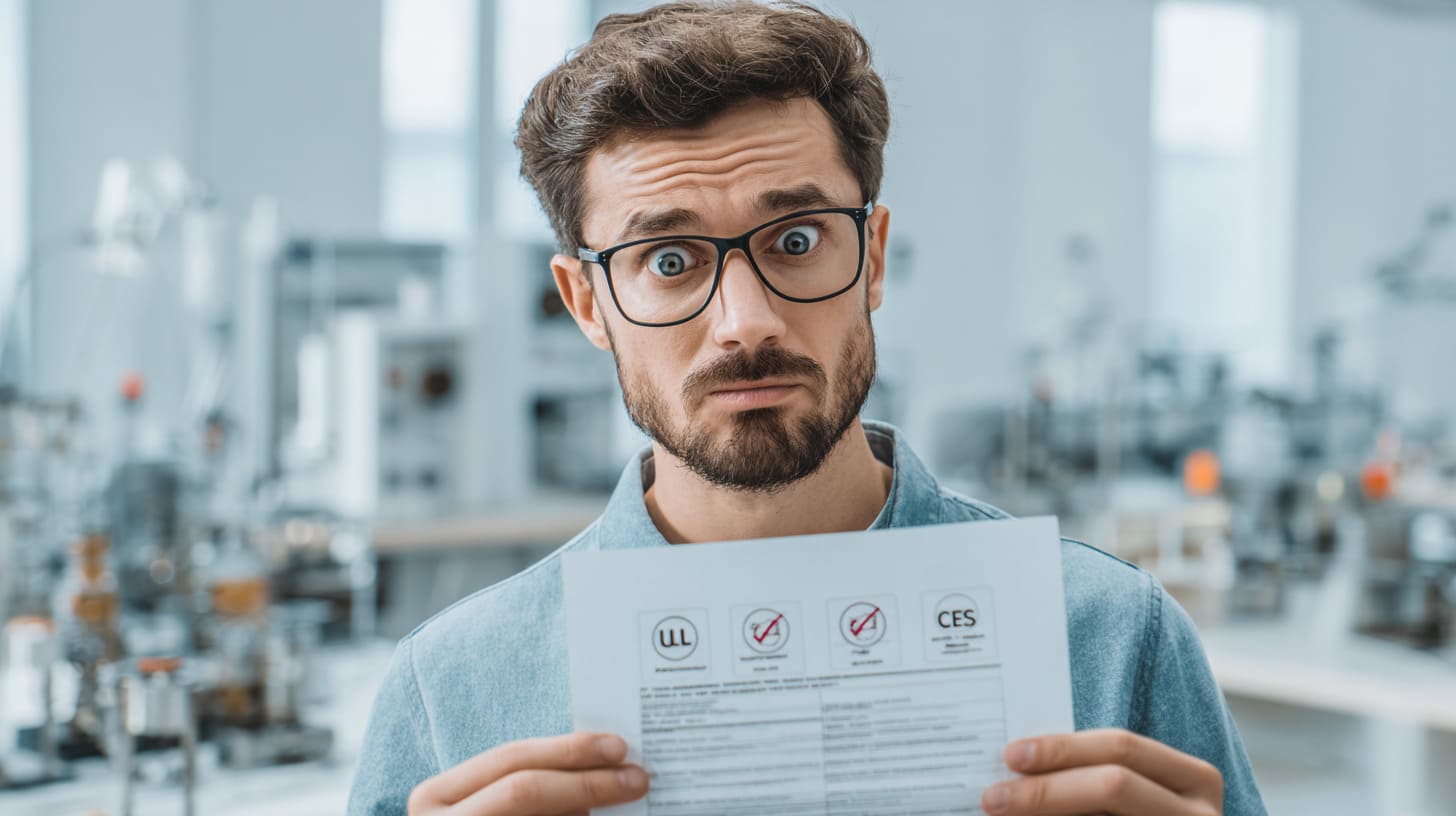
4.1 Overview of the process: testing, factory inspection, ongoing compliance
The UL process can take months—and costs aren’t small either. Here's how it usually flows:
- Submit product drawings and materials
- UL reviews and suggests test plans
- Physical samples are sent for testing
- Factory inspection takes place
- If passed, you get listed—then undergo annual audits
It's a serious commitment. But for the right market, it pays off.
4.2 Typical tests for electrical/metal/plastic enclosures and components
Depending on what we’re building, UL will check:
| Material | Common UL Tests |
|---|---|
| Plastic shells | Flame rating (UL94), UV aging, impact |
| Aluminum shells | Grounding continuity, corrosion, strength |
| Mounting parts | Vibration, shock, load test |
Once, we had to retool a whole batch of enclosures because the plastic didn't meet UL94 V-0 standards. It was painful—but we learned fast.
4.3 What manufacturers must maintain to keep listing — audits, documentation, production consistency
UL isn’t a “once and done” thing. They come back to check:
- Are you still using the approved materials?
- Are processes consistent?
- Is your labeling correct?
Mess that up, and your listing gets revoked. That’s why communication with factories matters so much.
And it’s also why some people misunderstand what UL really means…
5. What UL Listing Doesn’t Mean (and Common Misconceptions)
5.1 It’s not a guarantee of zero risk — it’s about meeting defined standards under expected use
UL doesn’t mean a product will never fail. It means under normal conditions, the risk of failure is low.
You can still misuse a UL-listed power supply and cause damage. It’s not magic. It’s a smart filter.
5.2 It doesn’t cover all markets/globally — different jurisdictions and marks may apply
UL is strong in North America. But in Europe? CE and EN standards are king. In Japan, it might be PSE.
So if you’re selling globally, don’t assume one certification will cover all your needs.
5.3 Listing isn’t always mandatory — but may be required by buyers, codes or insurers
Not all products legally need UL. But your buyer might ask anyway.
For example, we built enclosures for a hobby electronics brand. Legally, UL wasn’t required—but their distributor insisted on it.
That’s why I always ask clients early: Who’s your end customer? The answer guides everything.
Now, how does this all relate back to custom work?
6. Relevance Specifically for Custom Enclosures, Sheet‑Metal & OEM Manufacturers
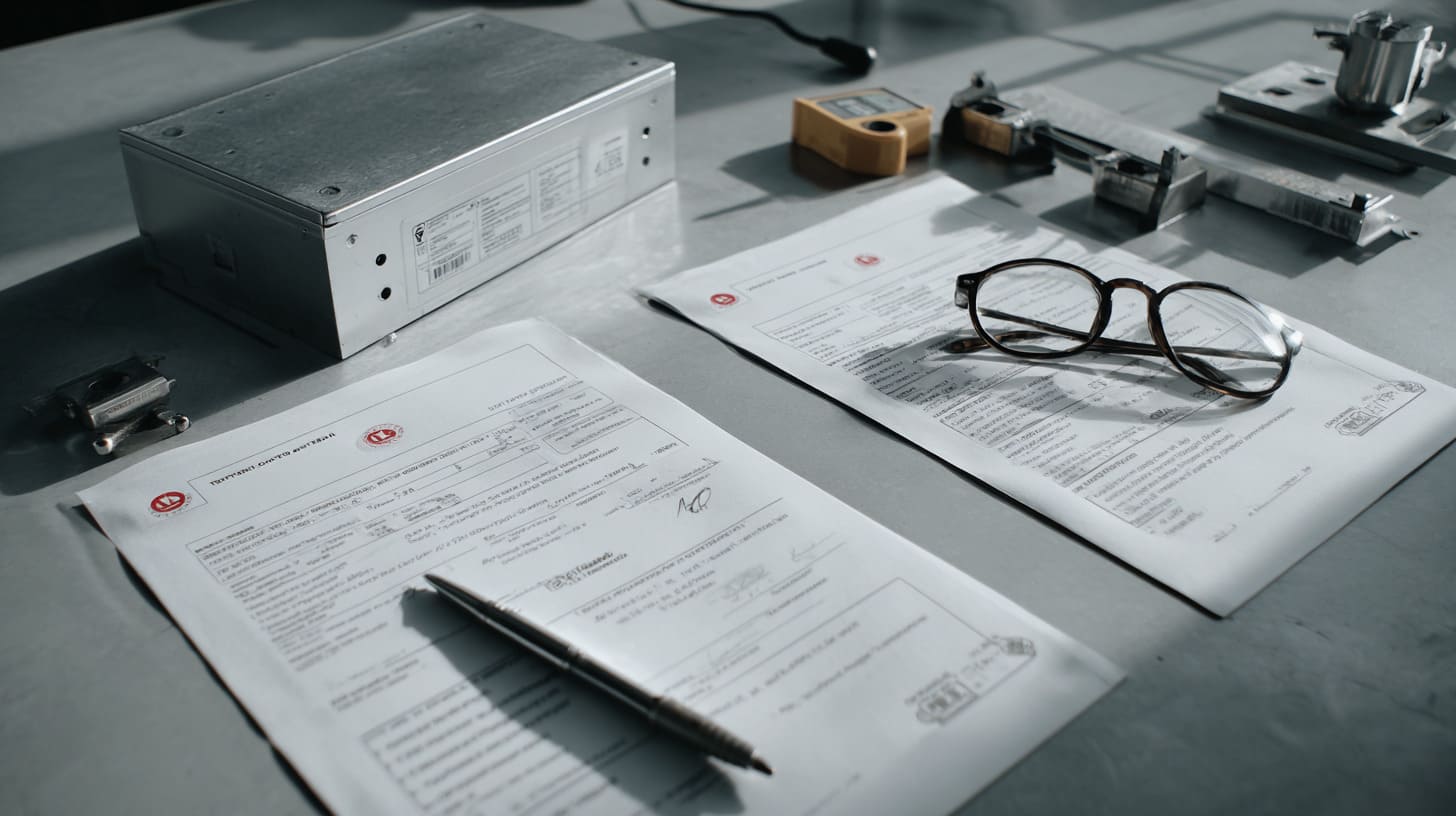
6.1 Why an OEM buyer (like David in Canada) should check for UL Listing (or equivalent) in enclosure components
If you’re like David—building branded devices for sale—UL gives your product a better shot in stores, online platforms, and industrial channels.
Plus, if your buyer ever faces a liability claim, having UL components in the BOM makes everyone breathe easier.
6.2 For a factory (like yours) offering custom aluminum/plastic enclosures: when to pursue listing, when it may not be necessary
Here’s how I usually break it down:
| Project Type | Need UL? |
|---|---|
| High voltage, high power | Yes |
| Industrial panels | Yes |
| Consumer gadgets | Maybe |
| Internal parts only | Not usually |
If your part is inside a UL‑Listed product, you might only need to be UL Recognized.
6.3 Practical steps: working with your supplier or factory to align design & manufacturing with UL requirements
- Start early: mention UL in your first email
- Share UL test standards if you have them
- Ask your supplier to use UL‑rated materials
- Keep documentation clean and traceable
When Jackson from Germany sends us new CAD files, he always includes a note: “Please use UL94 V-0 acrylic.” That one sentence saves everyone time.
6.4 Cost‑vs‑benefit for custom enclosures: competitive pricing vs added value of listing
UL parts cost more. That’s a fact. But the return?
- Better buyer confidence
- Easier insurance approval
- Higher perceived value
Sometimes, paying 5% more upfront wins you 50% more trust.
Still with me? Great—let’s talk communication.
7. How to Communicate UL Listing to Your Buyers
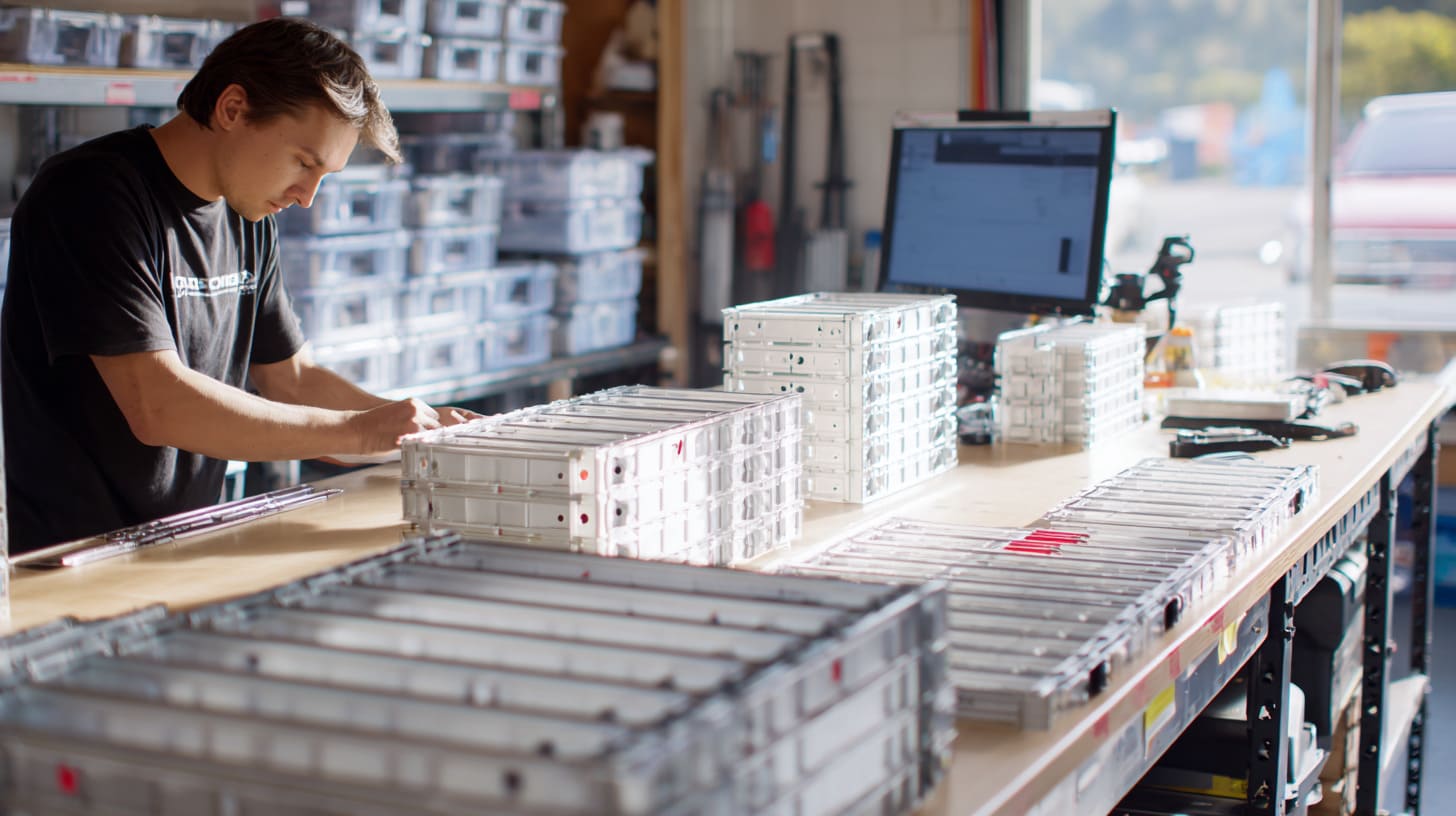
7.1 What buyers (product engineers, procurement) expect to see: mark, certificate, UL file number
When you say your part is UL‑Listed, be ready to show:
- The UL logo (correctly used)
- A certificate of compliance
- Your UL file number (buyers love that)
I’ve lost count of how many times I’ve seen fake or outdated labels. Don’t do that. It ruins trust.
7.2 Marketing your value: emphasising safe, compliant components — especially for export markets (US/Canada)
In your product page, mention:
- “UL Listed materials used”
- “UL File Number available on request”
- “Tested to UL94 V-0” (if relevant)
These small notes speak volumes to serious buyers.
7.3 Clarifying custom‑case: your factory’s services (OEM/ODM) and how you handle UL‑relevant enquiries
At MaidaTech, here’s what we offer:
- Custom enclosure design
- UL-compliant material sourcing
- Assembly support for UL-Listed devices
- One-stop OEM and ODM support
We may not list everything ourselves—but we help you build a product that can be.
Conclusion

Recap: UL Listed means rigorous testing and added trust — it’s important but context matters
UL isn't just a label—it’s a promise. A sign that you’ve done your homework. That your product is safer, more credible, and ready for serious markets.
But not every project needs UL. It depends on what you're building, who you're selling to, and how much risk you're willing to carry.
Call to action: For custom enclosure manufacturers/suppliers: ask “Does this part need UL listing for our market?”, if yes, start early with design/manufacturing.
If you're not sure, ask early. A quick chat can save months of delay.
And if you're looking for someone to walk you through UL‑related enclosure work?
That's what we do every day. Just drop me a line — info@maidatech.com — and let’s figure it out together.
— Vincent Li
MaidaTech | Custom Enclosure Factory | maidatechenclosure.com