Skip to content

A cabinet can look well sealed on a drawing yet fail when a hose reaches the door seam, a cable enters from above, or a cold outdoor morning leaves moisture inside. That is why I treat a NEMA Type 4 request as the start of an engineering conversation, not merely a box to tick in an RFQ.
A NEMA 4 enclosure is intended for indoor or outdoor use where equipment needs protection associated with windblown dust, rain, splashing water, hose-directed water, and external ice formation. It is common around machinery, utilities, outdoor controls, and washdown-adjacent processes. The rating matters, but the finished door, glands, connectors, mounting, and installation are what decide the field result.
What NEMA Type 4 Protects Against
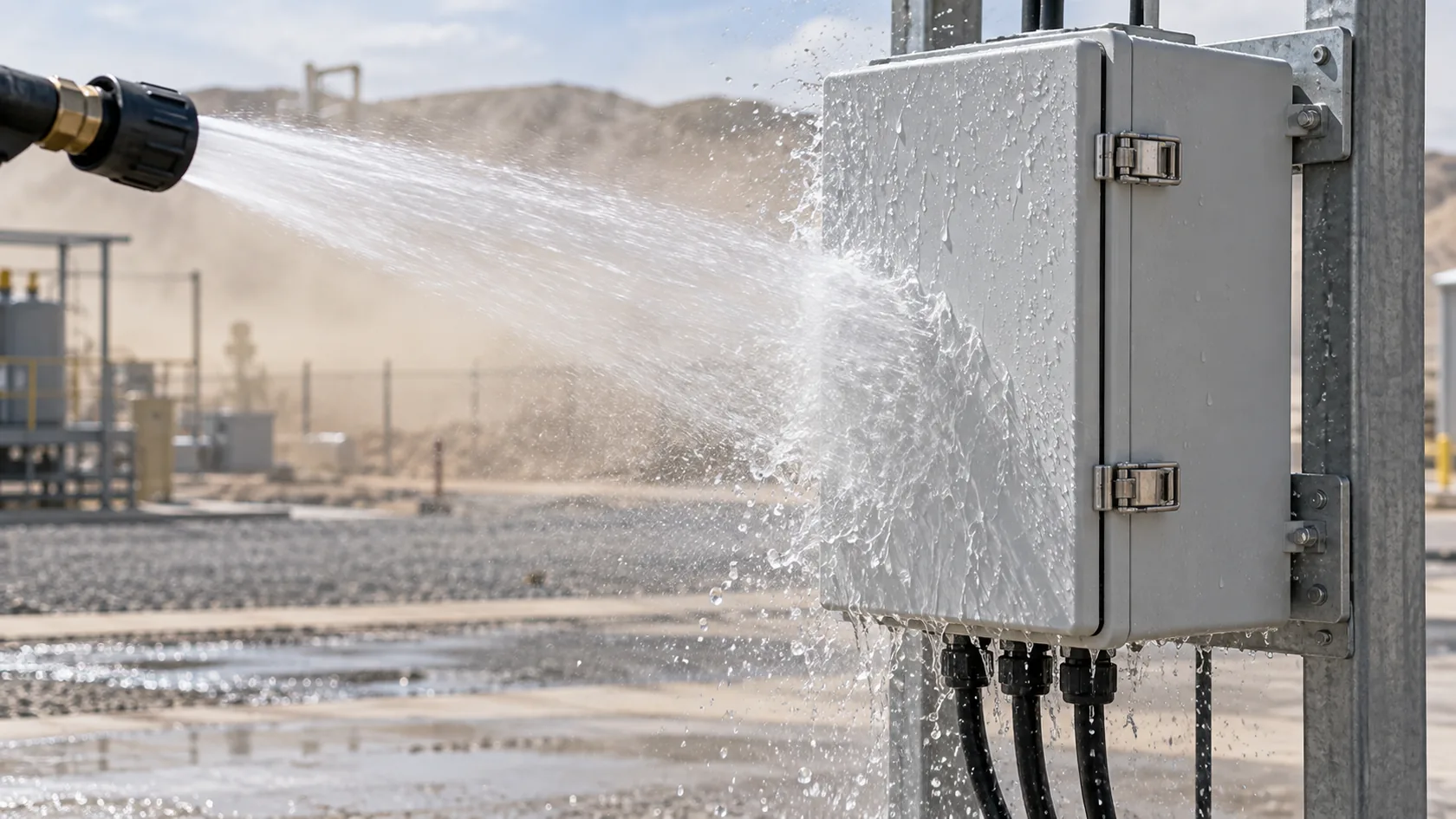
NEMA Type 4 describes a set of environmental protections for an enclosure installed and ready for use. UL’s concise Type 4 description includes splashing water, windblown dust and rain, hose-directed water, and damage from external ice formation. The scope of NEMA 250 also makes an important boundary clear: the type is for a specific set of environmental conditions, not a universal guarantee against every hazard.
What it does not automatically cover
A Type 4 label does not mean the equipment can be submerged, used in a hazardous location, or left unprotected against internal condensation and overheating. It also does not mean a field cutout, replacement latch, or mismatched cable gland inherits the original enclosure performance. Those are separate design and application questions.
In our factory reviews, the first useful question is not “Do you need Type 4?” It is “Where will water and dust actually reach the finished assembly?” That answer turns a vague rating request into a design that can be quoted and built.
Where NEMA 4 Enclosures Are Used
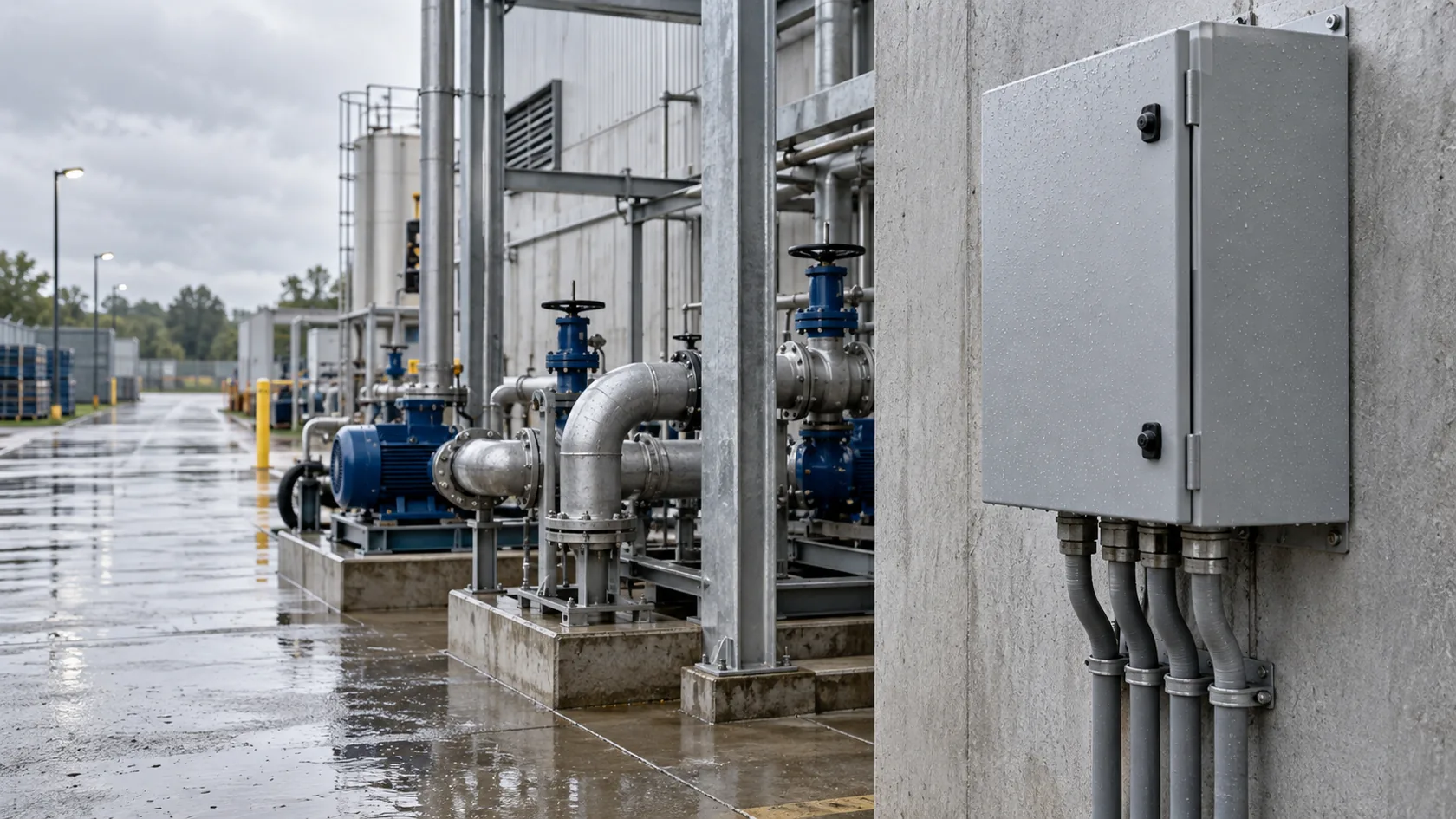
Type 4 is often a good direction when the equipment is outside or in an industrial area that sees hose cleaning, rain, splash, or dust. Typical examples include:
- Outdoor pump, irrigation, traffic, and utility controls
- Machine-side control panels in general industrial areas
- Equipment near washdown zones where the actual chemicals and frequency are limited and defined
- Process skids, conveyor systems, and exterior service cabinets
The application should drive the details. A wall-mounted pump controller with bottom-facing entries has a different water path from a freestanding machine panel with a sloped top. If cleaners, salt air, or process chemicals are present, Type 4X may be the better starting point because it adds corrosion protection; it is not simply a higher number for every project.
Materials: Match the Shell to the Environment
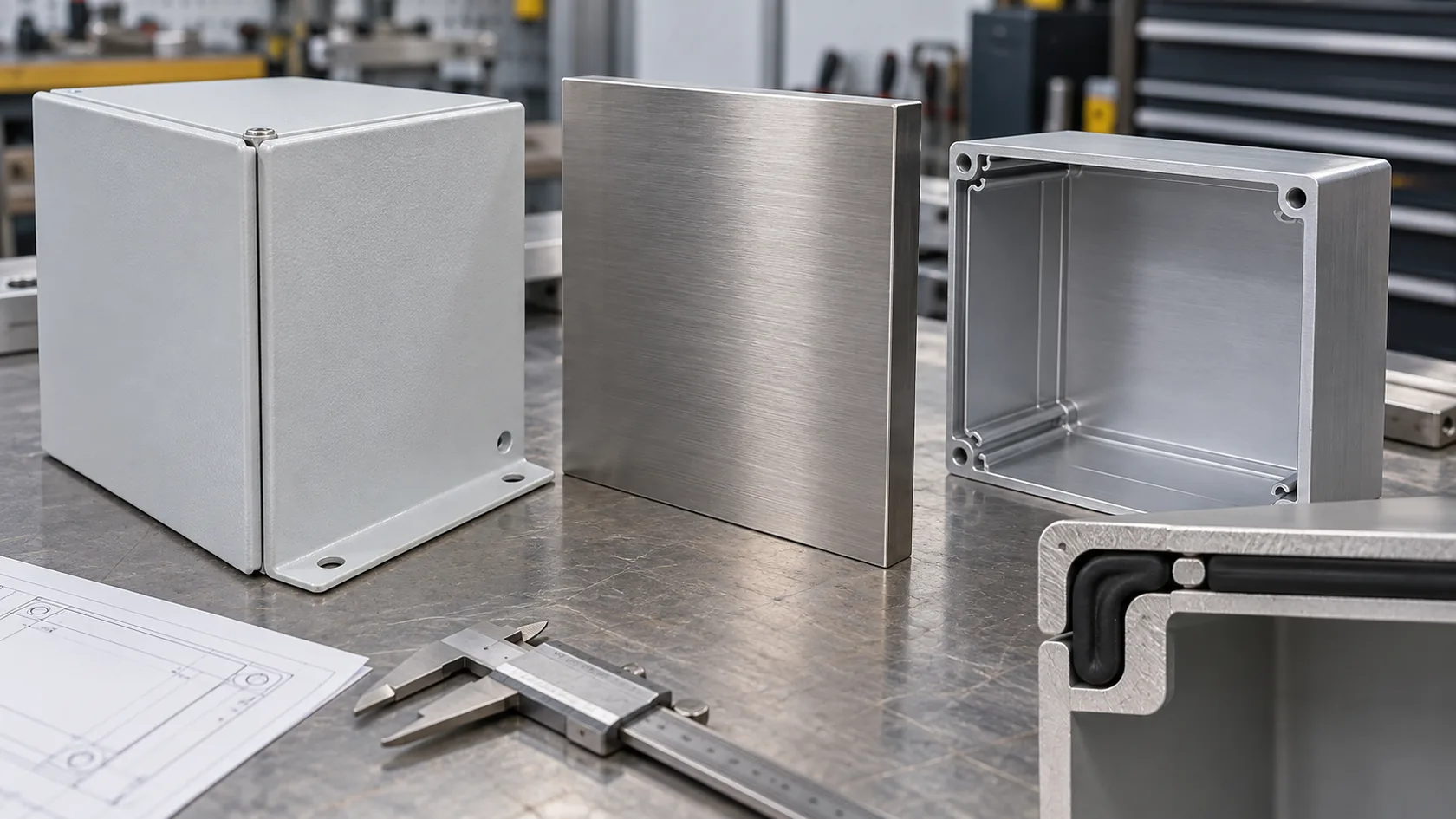
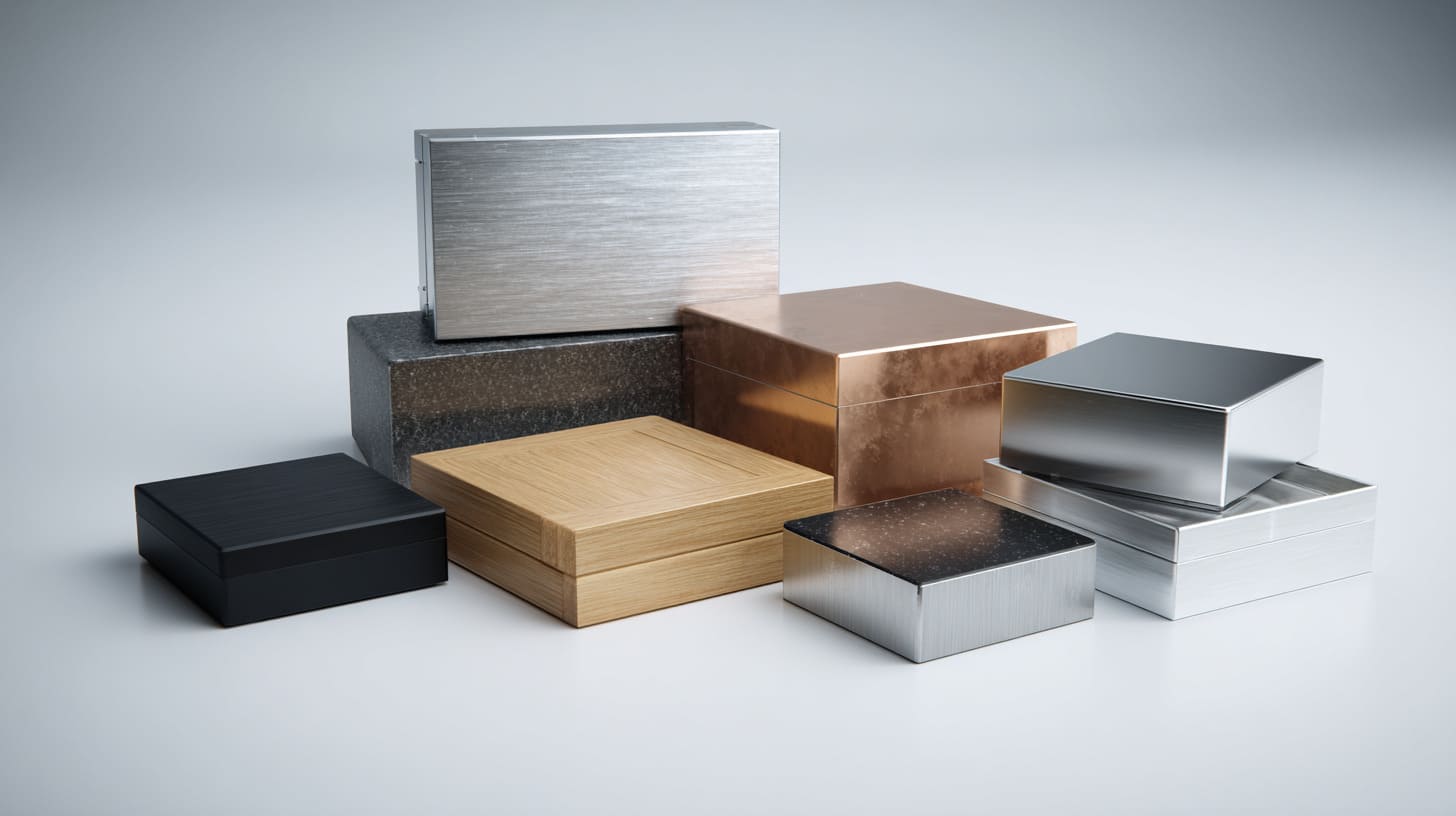
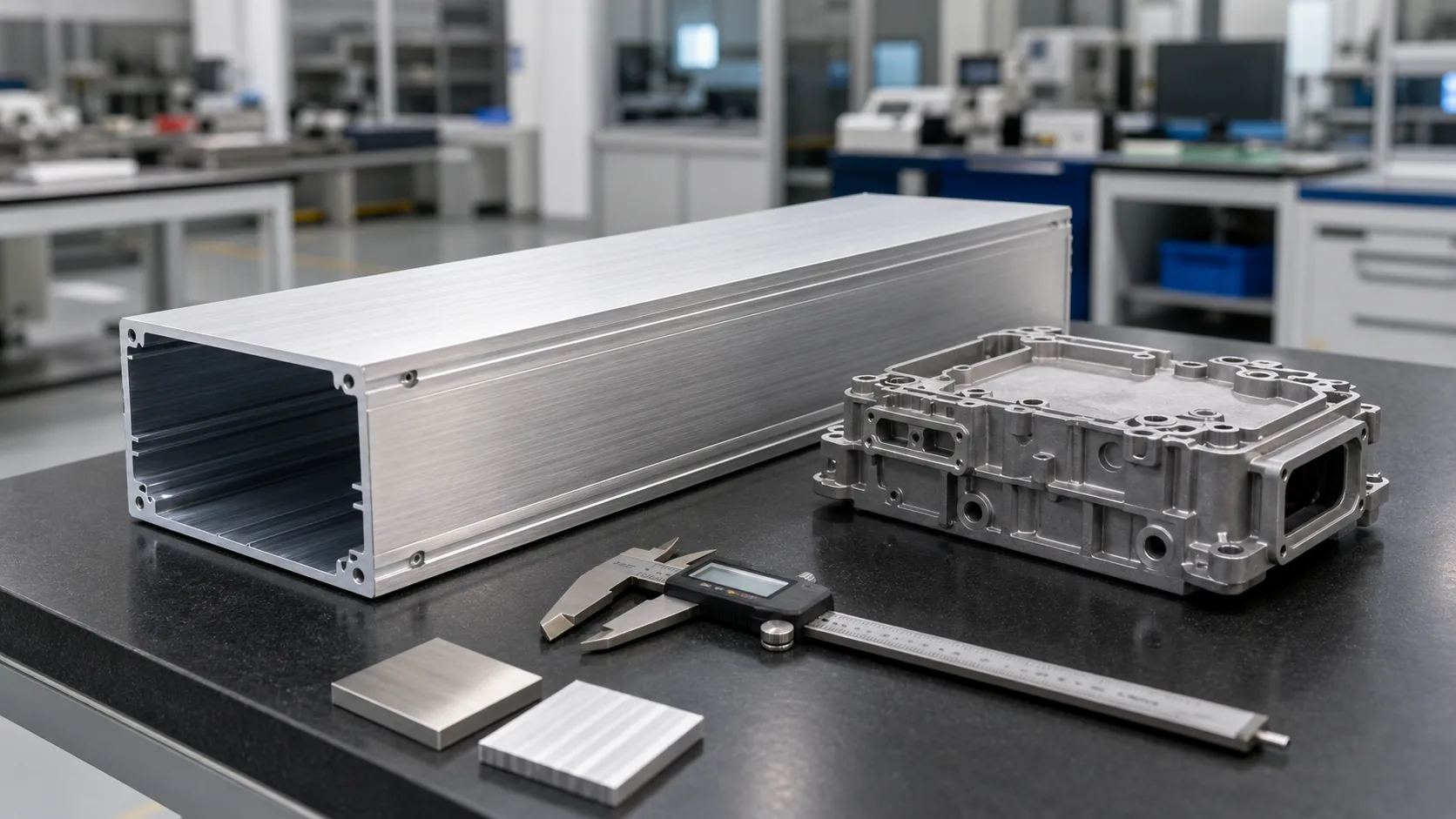
NEMA Type 4 does not prescribe one universal material. Coated steel, stainless steel, aluminum, and non-metallic housings can each be practical when their construction and environment are suitable.
| Material direction | Where it can make sense | Checks before release |
|---|---|---|
| Coated steel | General industrial indoor or outdoor exposure | Coating system, cut edges, scratches, fasteners, drainage |
| Stainless steel | Repeated cleaning or more demanding corrosion exposure | Grade, weld/crevice details, cleaner chemistry, hardware |
| Aluminum | Weight-sensitive outdoor designs and custom-machined housings | Alloy, finish, galvanic isolation, grounding and edge treatment |
| Non-metallic | Electrical insulation or corrosion-resistant applications | UV, impact, temperature, chemical compatibility, mounting loads |
I would not select a material by its name alone. An aluminum enclosure, for example, may need a defined surface treatment and an intentional conductive ground path; a powder-coated steel cabinet needs careful treatment at holes, edges, and hardware interfaces. The material system should be reviewed together with the exposure, fabrication method, and service plan.
The Installed System Determines the Result

The shell is only one boundary. A Type 4 design also depends on the cover joint, gasket, latches, cable glands, connectors, viewing windows, vents, blanking plugs, and mounting features. One weak entry point can become the practical limit of the whole assembly.
Details I ask for before quoting
For each cable or connector entry, specify the outside diameter, entry direction, component model or rating, wall thickness, and whether a gland can be tightened with proper access. Include the door layout, internal component weight, mounting orientation, and any user-operated controls. These details reveal whether the gasket will be compressed evenly and whether water can collect where it should not.
The NEMA enclosure FAQ notes that NEMA Types apply to fully installed, ready-for-use enclosures. That is exactly why the cable schedule and finished cutout plan belong in the review—not as afterthoughts after a standard cabinet is purchased.
Seal, heat, and moisture must agree
Better sealing reduces unwanted external ingress, but it also reduces incidental airflow. Internal heat, solar loading, cold starts, and daily temperature swings can create a condensation risk without any leak through the door. Set the internal heat load and ambient range early, then choose a conductive heat path, external feature, or appropriately evaluated accessory. An unreviewed vent or drain can solve one problem while creating another.
A Practical NEMA 4 Selection Checklist

Before finalizing a Type 4 enclosure, I recommend confirming these points:
- Define the exposure: rain, hose direction, splash, dust, outdoor ice, cleaning frequency, and liquid chemistry.
- Define the installed orientation: wall, pole, machine, freestanding base, top entries, and drainage path.
- Define every penetration: cables, connectors, displays, operators, vents, and unused openings.
- Define the material and finish system, including hardware and dissimilar-metal contacts.
- Define thermal conditions: component heat, sun exposure, ambient range, and allowable internal temperature.
- Define the validation route: the relevant standard, test configuration, and any project-specific approval requirement.
For global projects, keep NEMA and IP language precise. NEMA explains that an IP code is not automatically equivalent to a NEMA Type because the systems address different requirements and test considerations. State both requirements when both are required; do not use one as a shortcut for the other.
Conclusion

A NEMA 4 enclosure is a practical choice for many indoor and outdoor industrial installations facing windblown dust, rain, splash, hose-directed water, and external ice. Its value comes from a correctly designed and installed system—not from a bare housing label.
After years of custom enclosure work, I have learned that the best Type 4 projects begin with a short exposure and installation review. Share the mounting direction, cable and connector schedule, cleaning method, internal heat load, and material preference with us. We can check the seal path and manufacturability before the drawing becomes expensive to change.