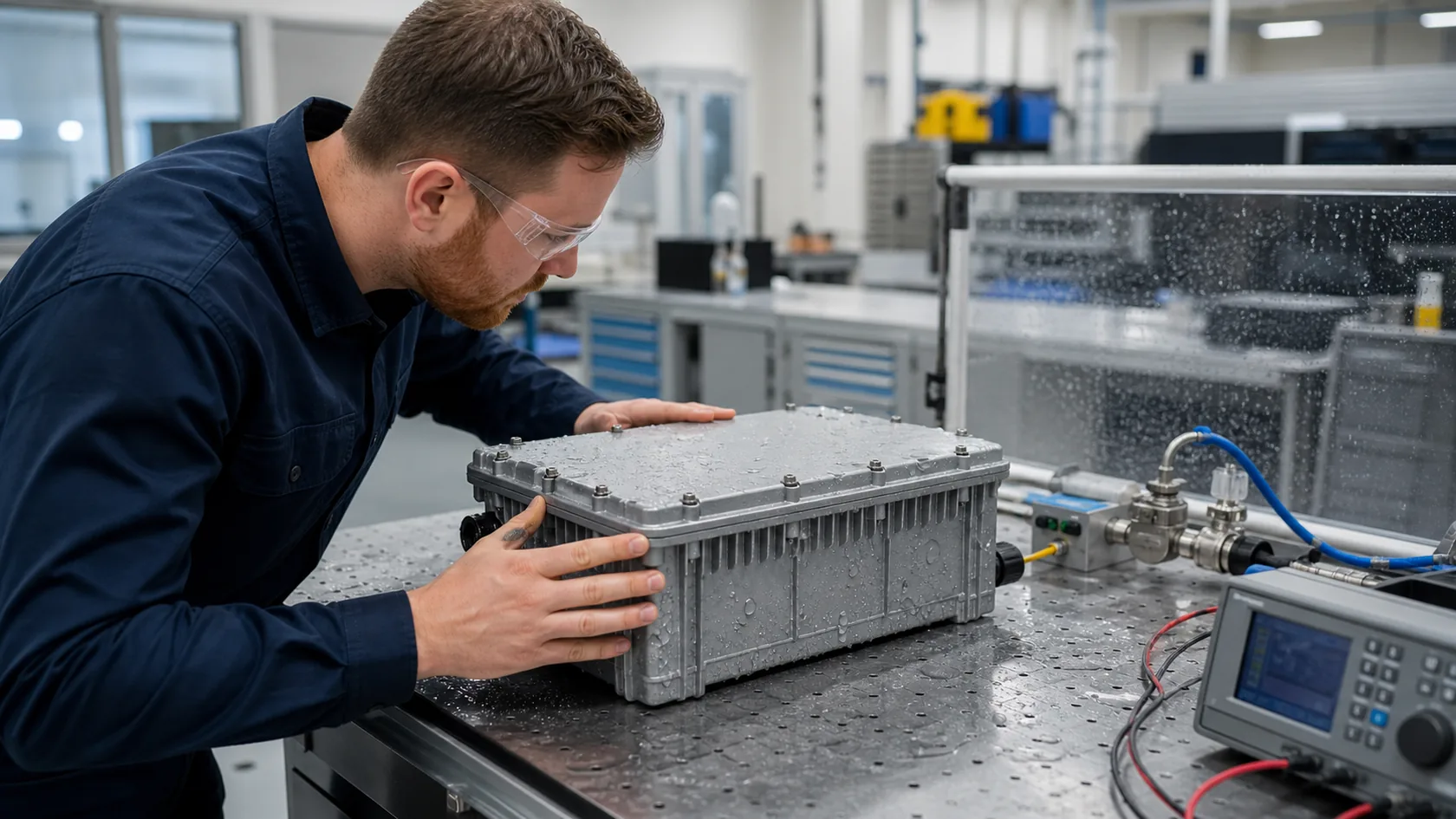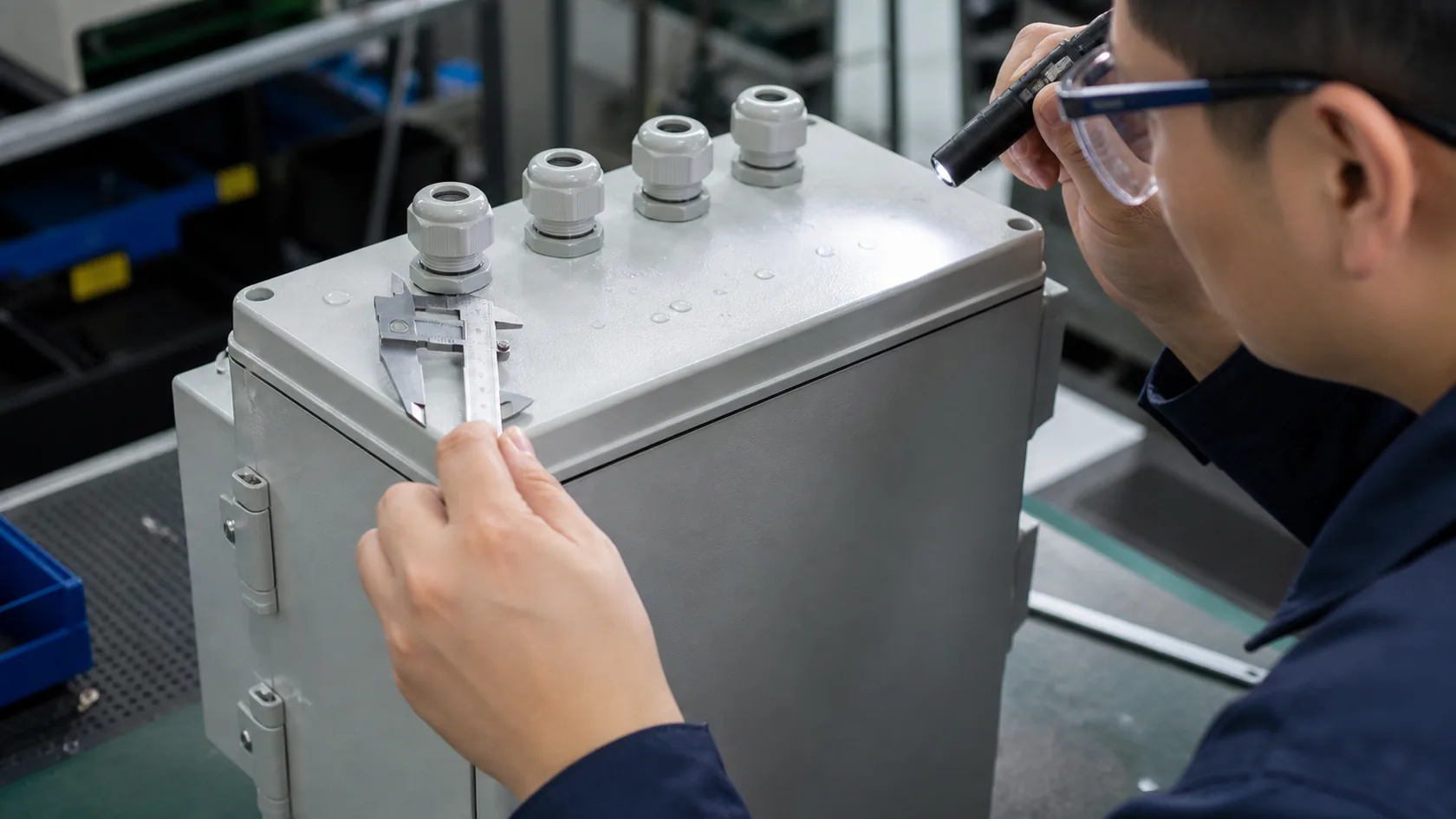
Who purchases electrical enclosures?

Every Monday morning, our inbox fills with requests—some with detailed CAD files, others with nothing more than a product sketch and a tight deadline. They come from engineers, distributors, startups, and design firms across the globe.
Electrical enclosures are purchased by engineers, OEM companies, distributors, designers, and tech startups who need protection, branding, or compliance for their devices.
From factory lines to retail shelves, someone somewhere is always hunting for the right box to protect what powers their ideas.
What are electrical enclosures used for?
Sometimes, the only thing standing between a $500 board and a spilled coffee is a good enclosure.
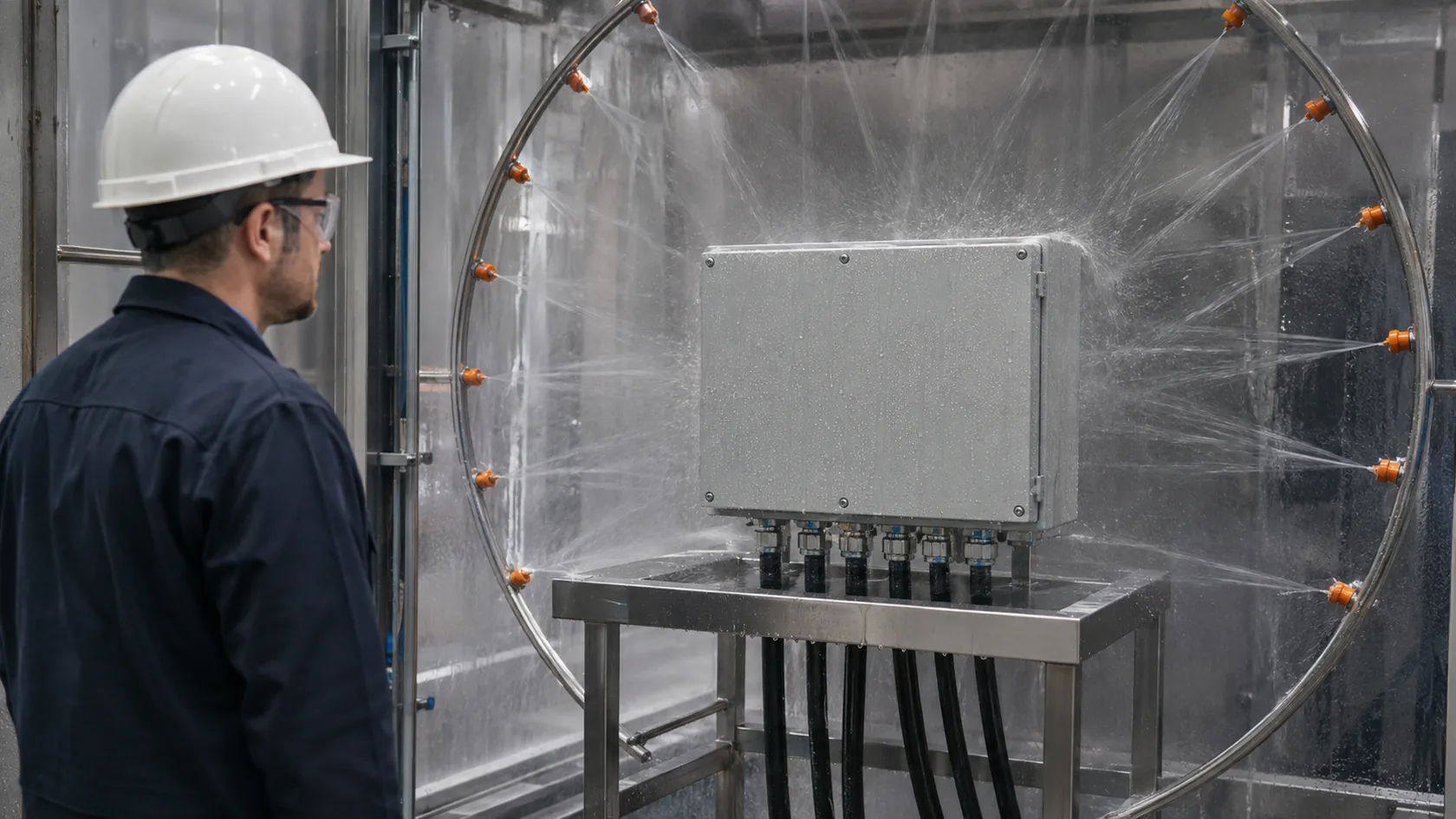
Electrical enclosures protect sensitive electronics from dust, moisture, impact, tampering, and unauthorized access.
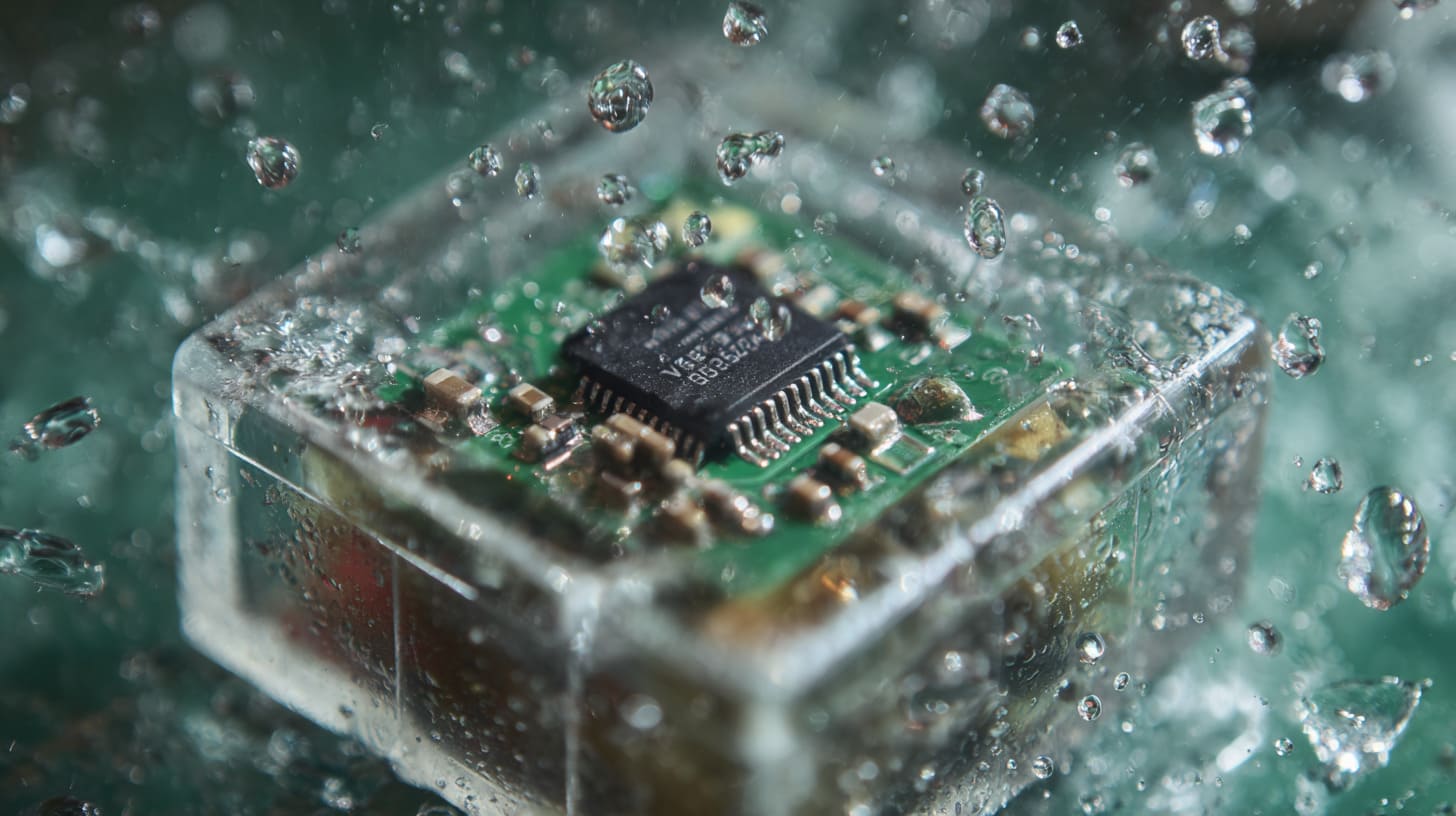
They’re more than just boxes
- Safety: Isolate live wires to avoid shock hazards
- Durability: Shield devices from tough factory or outdoor conditions
- Integration: Allow port cutouts, screens, or LEDs to fit just right
When I helped a client redesign a case for their industrial sensor, the smallest gasket tweak extended its life by years. That’s how much the right enclosure matters.
Why are electronic enclosures important?
You can't control the weather—or warehouse dust. But you can control how your electronics react to it.
Enclosures are crucial because they ensure functionality, safety, and compliance in real-world environments.

Sometimes, what’s outside matters just as much as what’s inside. Especially when your board is sitting next to a vibrating motor or exposed to the elements.
What is a general purpose electrical enclosure?
Not every device needs bells and whistles. Sometimes, it just needs a reliable home.
A general purpose electrical enclosure is a versatile, non-specialized housing used across many standard electronics projects.

They’re the Swiss Army knives of enclosures. Usually made from ABS plastic or aluminum, IP-rated just enough, and priced to fit most budgets. Great for pilot runs or simple retail units.
What industries use custom electrical enclosures the most?
We once shipped 600 cases to a mining site and 200 more to a beauty-tech startup in the same week.
Industries like industrial automation, telecommunications, medical, EV, IoT, and consumer electronics rely on custom enclosures.

Key Industry Use-Cases
| Industry | Common Use Case |
|---|---|
| Industrial Automation | Control panels, PLCs, relay boxes |
| Telecom | Network hubs, routers, splitters |
| Medical Devices | Diagnostic equipment, handheld tools |
| IoT & Smart Tech | Gateways, trackers, smart modules |
| Consumer Electronics | Retail-packaged smart devices |
From rugged outdoors to slick office desks—custom cases travel far.
How do OEM companies source custom aluminum enclosures?
I’ve seen OEM clients walk in with nothing but a napkin sketch—and walk out with a full enclosure roadmap.
OEMs usually source custom aluminum enclosures through trade shows, B2B platforms, referrals, or direct searches for reliable manufacturers.

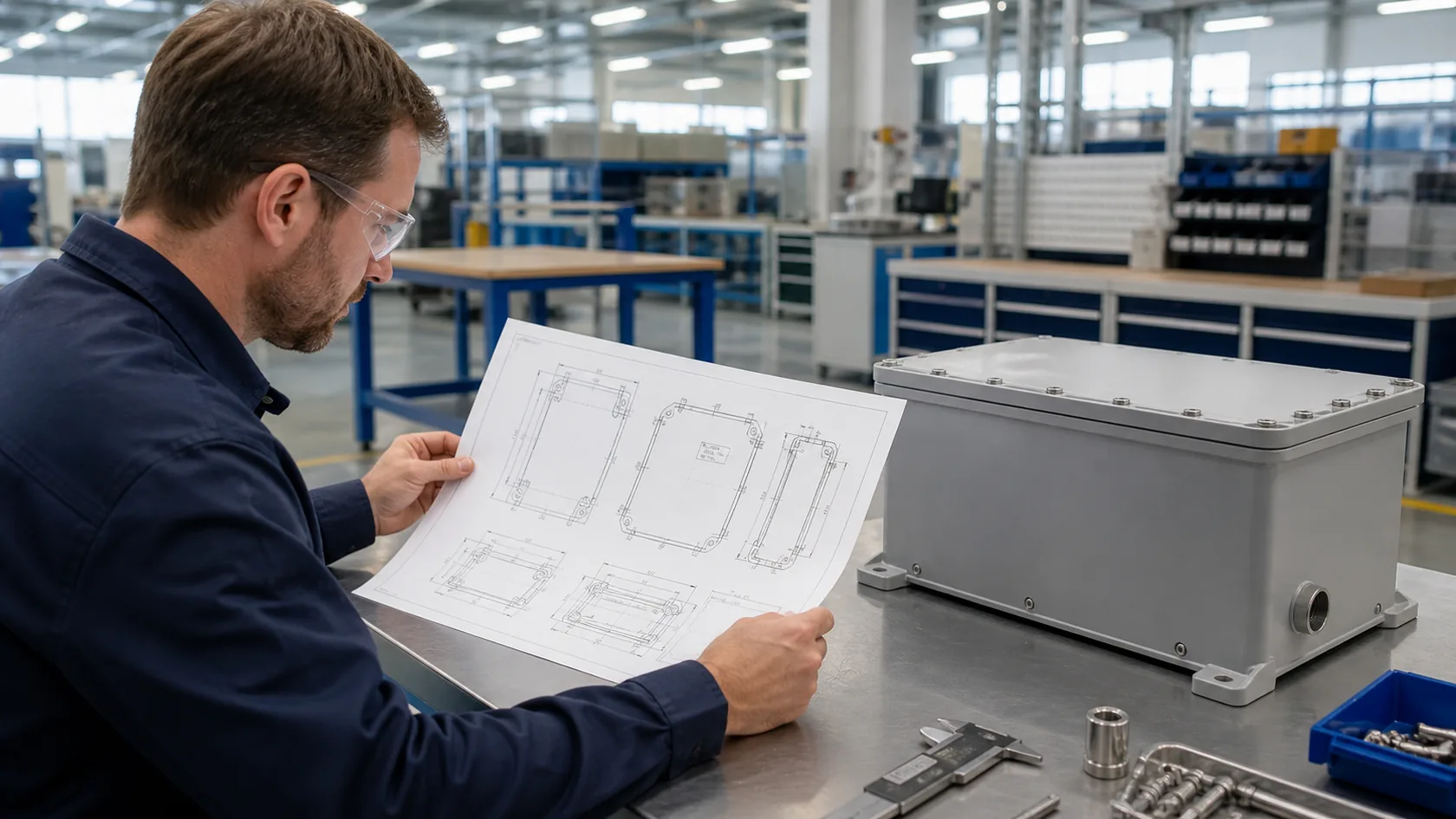
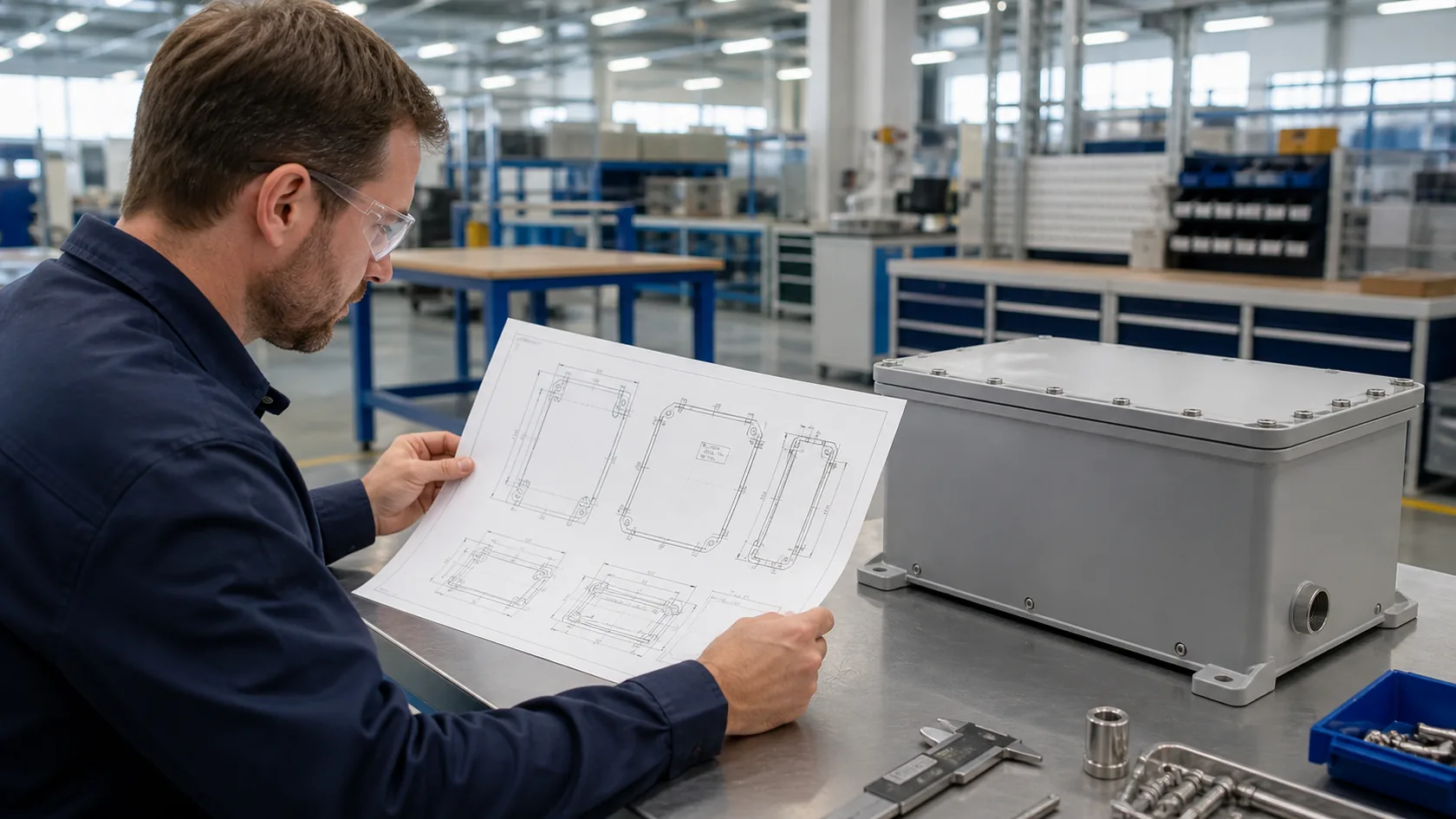
They want more than just a catalog. They need collaboration, fast prototyping, tolerance checks, and clear QC flows. We often get files like STEP or DWG, and run through one-on-one DFM calls before confirming samples.
Why do product engineers prefer factory-direct enclosure suppliers?
Jackson once told me, “If I can’t get straight answers fast, I lose time and money.” I’ve never forgotten that.
Engineers prefer factory-direct suppliers for faster communication, lower costs, and tighter control over custom details.

Middlemen often slow down things. Engineers, especially in rapid development cycles, want agile feedback loops, real-time tooling updates, and factory-level flexibility on tweaks.
What do distributors look for when choosing an enclosure manufacturer?
They’re not building one product—they’re managing dozens of SKUs across categories.
Distributors want consistent quality, bulk pricing, branding options, and on-time delivery.

They also care about support. Can you help them update labels quickly? Can you make the MOQ flexible for a new line? They’re looking for reliability and scale, not just a one-time deal.
How can I customize electrical enclosures for my brand?
Custom enclosures are like silent ambassadors—they carry your brand into your user’s hands.
You can customize enclosures with logo printing, color choices, special cutouts, mounting features, or packaging design.
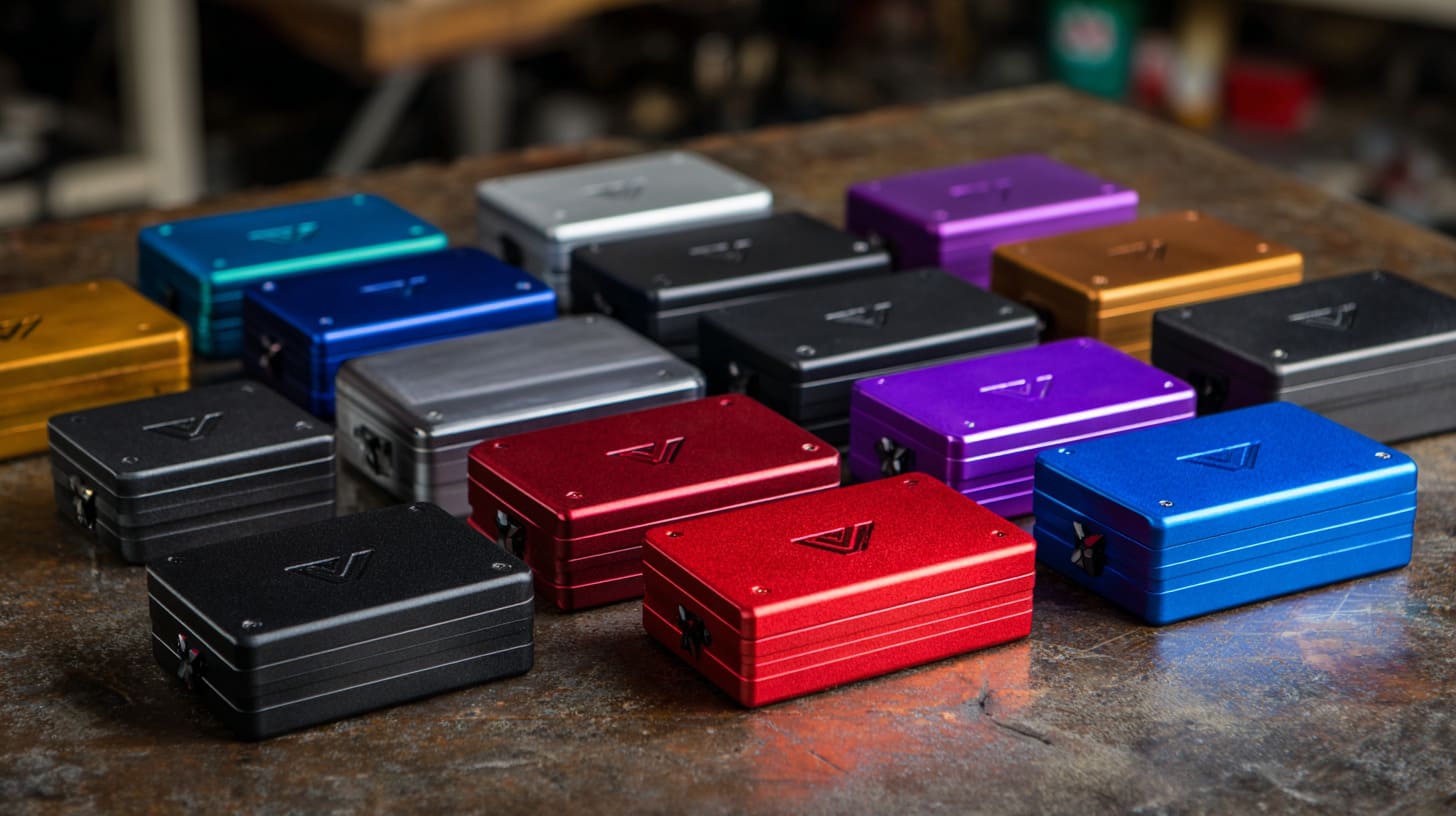
Common Customization Options
| Feature | Description |
|---|---|
| Logo Application | Silk-screen, laser engraving |
| CNC Cutouts | USB, HDMI, RJ45, antennas, etc. |
| Color Finish | Powder coat, anodized, custom RAL |
| Mounting & Inserts | Wall mount, DIN rail, PCBA standoffs |
| Branded Packaging | Foam inserts, logo box, instruction sheet |
What certifications matter when buying enclosures for electronics?
In some industries, missing a label can mean missing the deal.
Certifications like UL, CE, RoHS, REACH, and IP ratings ensure safety, compliance, and buyer trust.
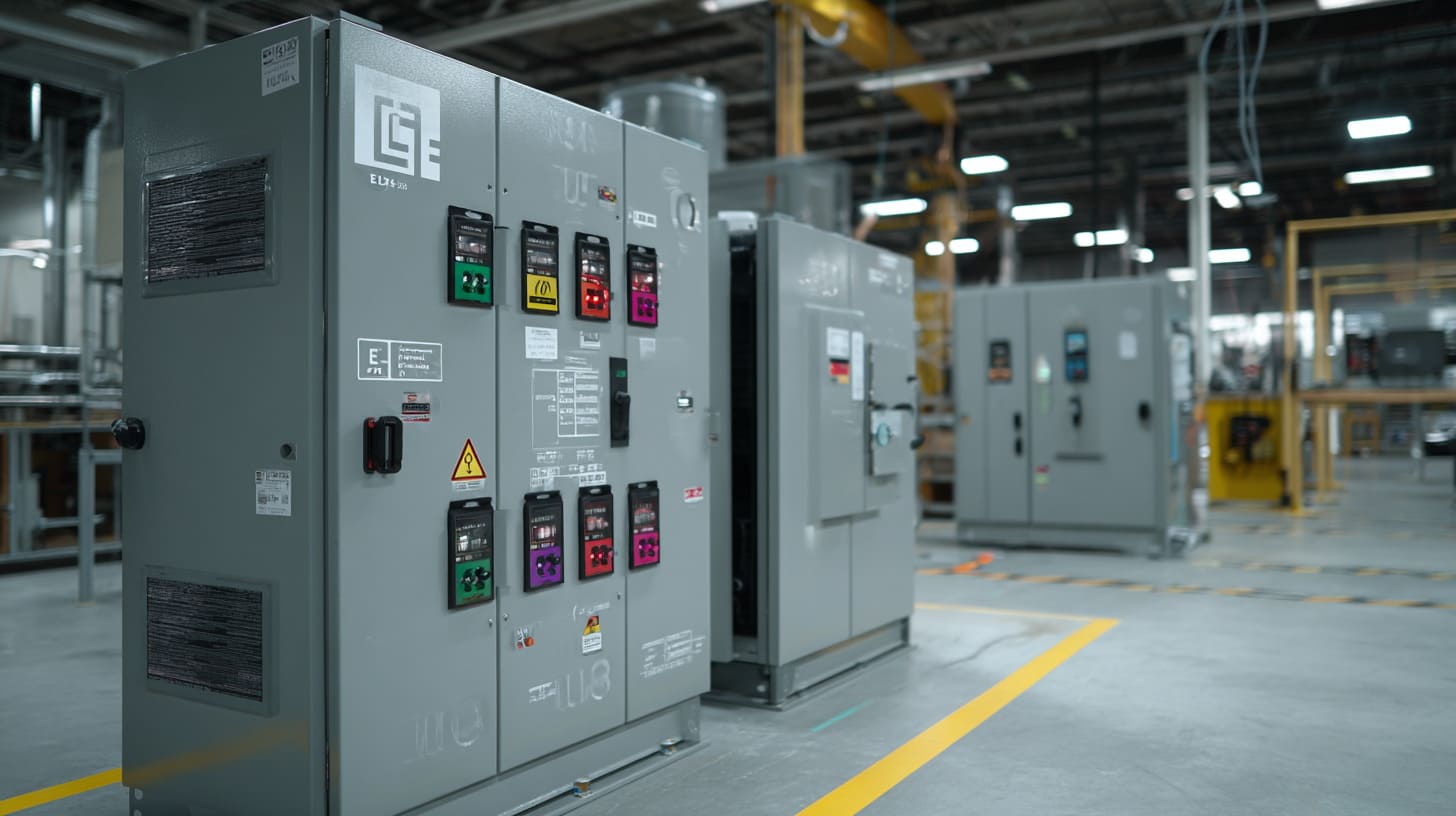
I remember once a German client halted a $30K order—just because our supplier couldn't provide IP68 verification in English. We fixed it, but it reminded me: paperwork speaks louder than price.
Where do startups and design firms source enclosures for prototypes?
Tight budgets. Big dreams. Faster clocks.
Startups often source from online platforms, makerspaces, or directly from flexible factories willing to do small runs.
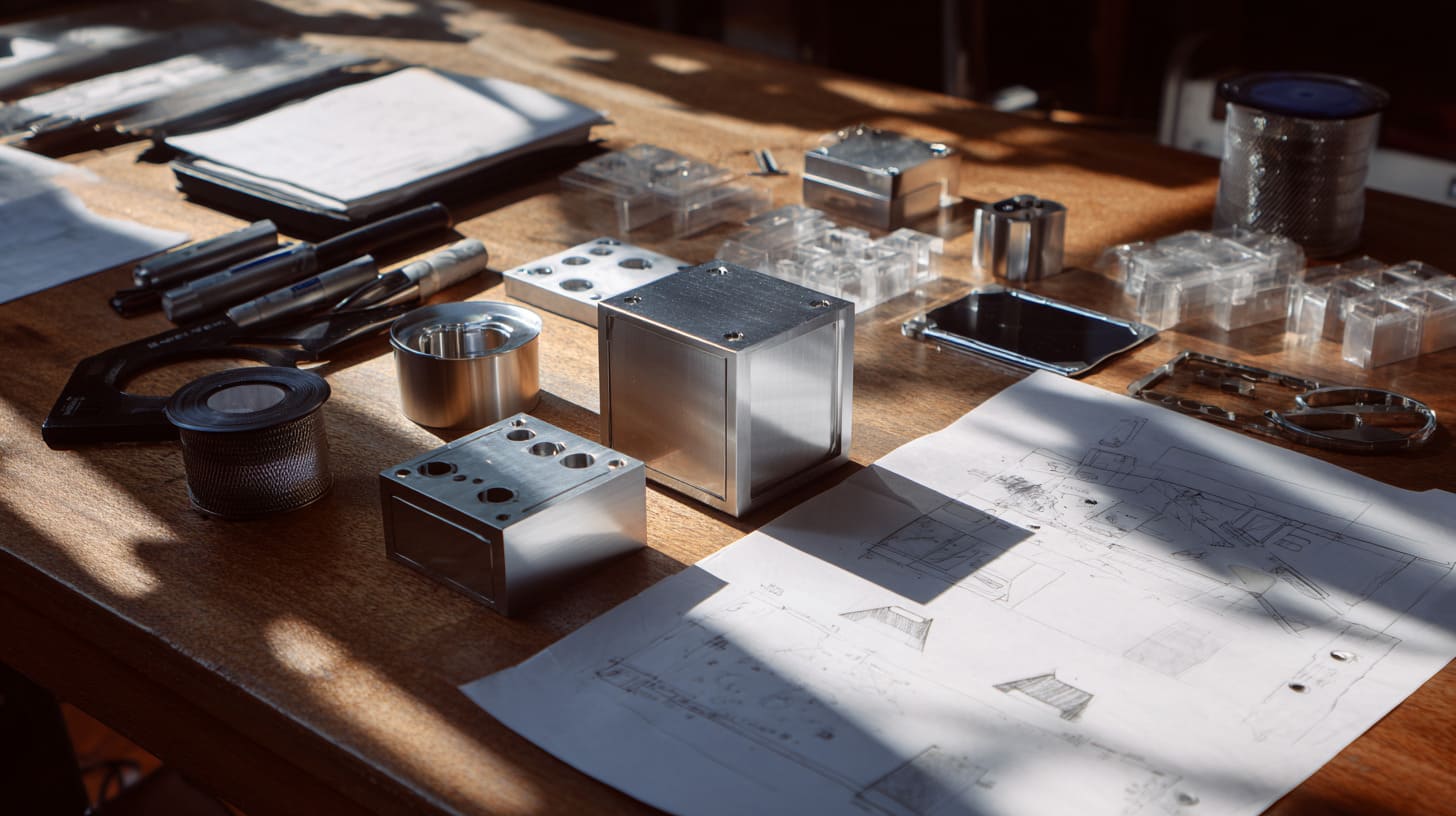
We’ve worked with small teams using 3D printed samples, then scaling into CNC or sheet metal. It’s about balancing speed, looks, and flexibility for changes.
How do I choose the right enclosure supplier from China or Vietnam?
I tell new buyers—don’t just pick the cheapest quote. Pick the most honest timeline.
Look for suppliers with clear communication, QC processes, factory photos, and willingness to handle small-to-medium batches.

Visit if you can. Or at least video-call. Ask for past project samples. Ask how they handle changes. If they flinch at questions—you already have your answer.
What mistakes do buyers make when ordering custom enclosures?
We all learn by burning fingers. The key is not to burn them twice.
Common mistakes include unclear drawings, ignoring tolerance needs, over-customizing early, or choosing based on price alone.
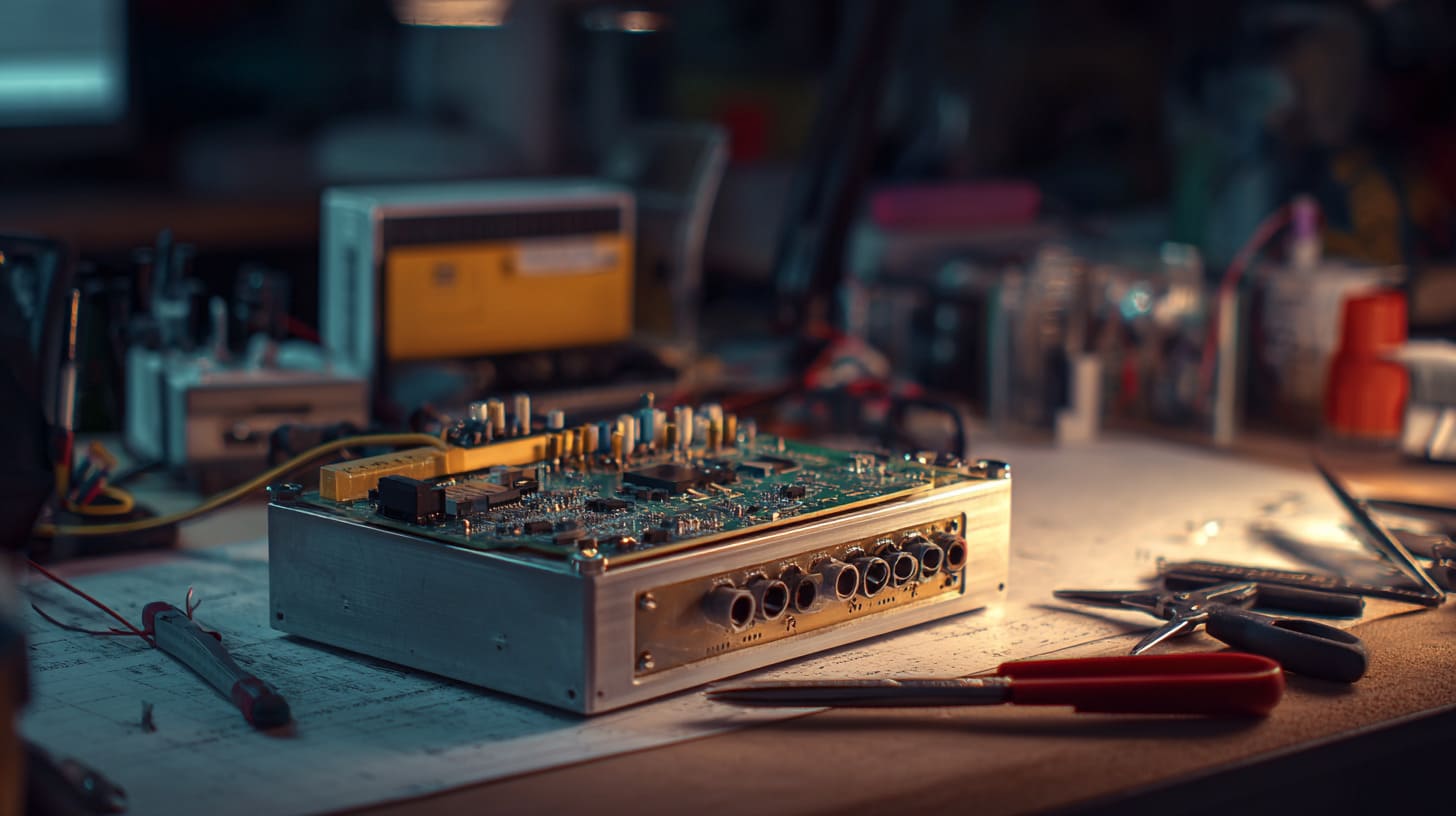
I’ve seen buyers rush into tooling without checking PCB height. Or misalign ports by 0.5mm, causing full rework. Triple check. Ask dumb questions. It saves smart money later.
Conclusion
Everyone—from scrappy startups to industrial giants—needs enclosures. Choosing well? That’s where the magic begins.