Skip to content
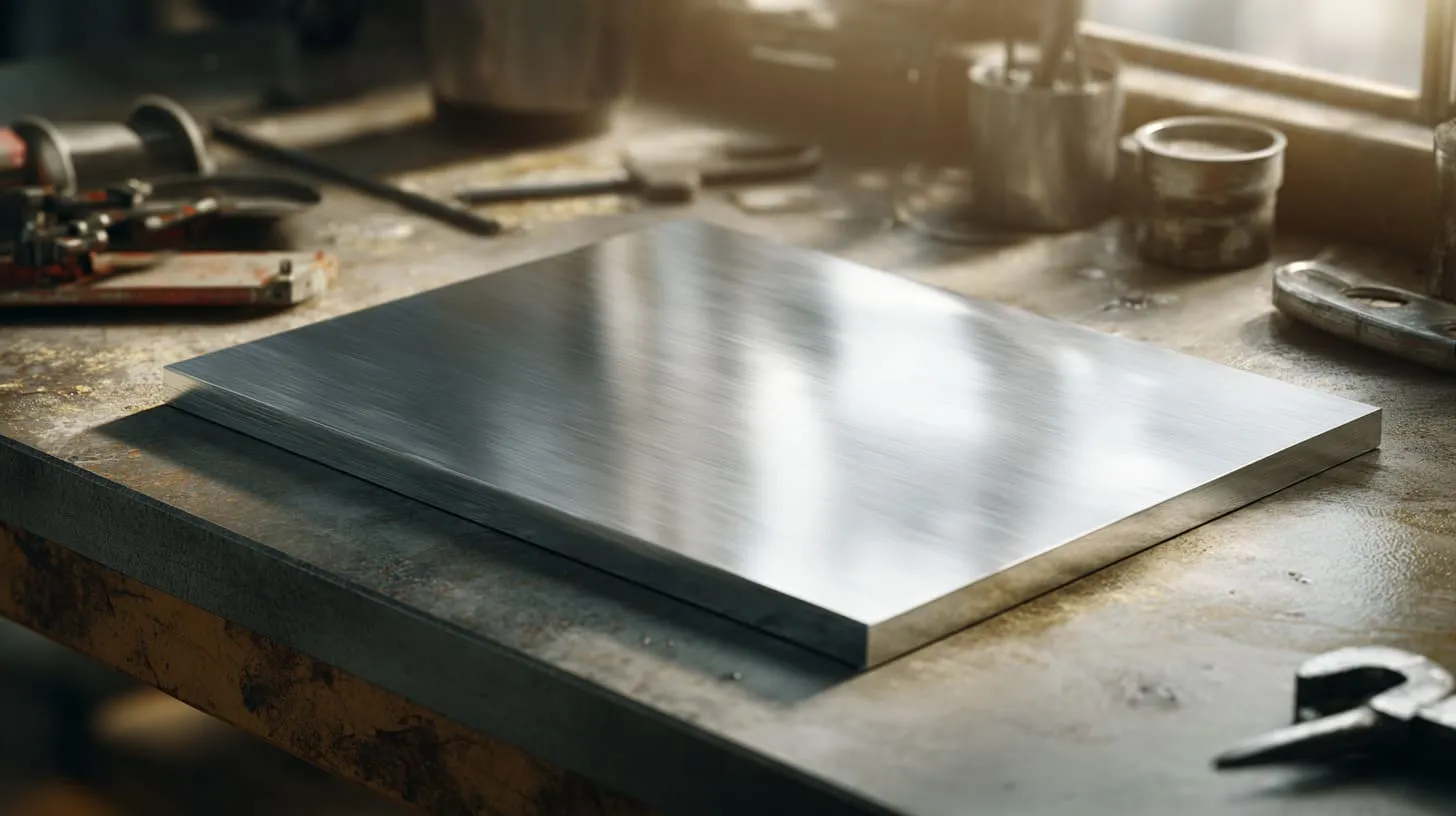
A flat sheet of aluminum rests on the workbench. Cool to the touch. Unassuming. But give it the right tools, the right hands, and a clear drawing—and suddenly, it’s no longer just metal. It’s a purpose-built enclosure for a control system. Or a housing for a smart IoT hub. Or a branded box ready for retail shelves.
Aluminum fabrication isn't just about cutting and bending metal. It's an art, a science, and a business necessity—especially for those of us serving custom enclosure buyers and engineers.
For people like me—who work with OEM buyers, product engineers, and creative ODM clients—it’s more than just bending and cutting metal. It’s about turning a digital concept into a physical object that protects, performs, and presents your product the way you imagined it would.
This guide is for the engineers who obsess over millimeters. The procurement managers who juggle cost and quality. And the entrepreneurs who sketch on napkins and expect miracles. If you're sourcing aluminum enclosures or building something custom—knowing what fabrication actually involves will save you time, money, and a few headaches.
What is Aluminum Fabrication?
What does aluminum fabrication involve?
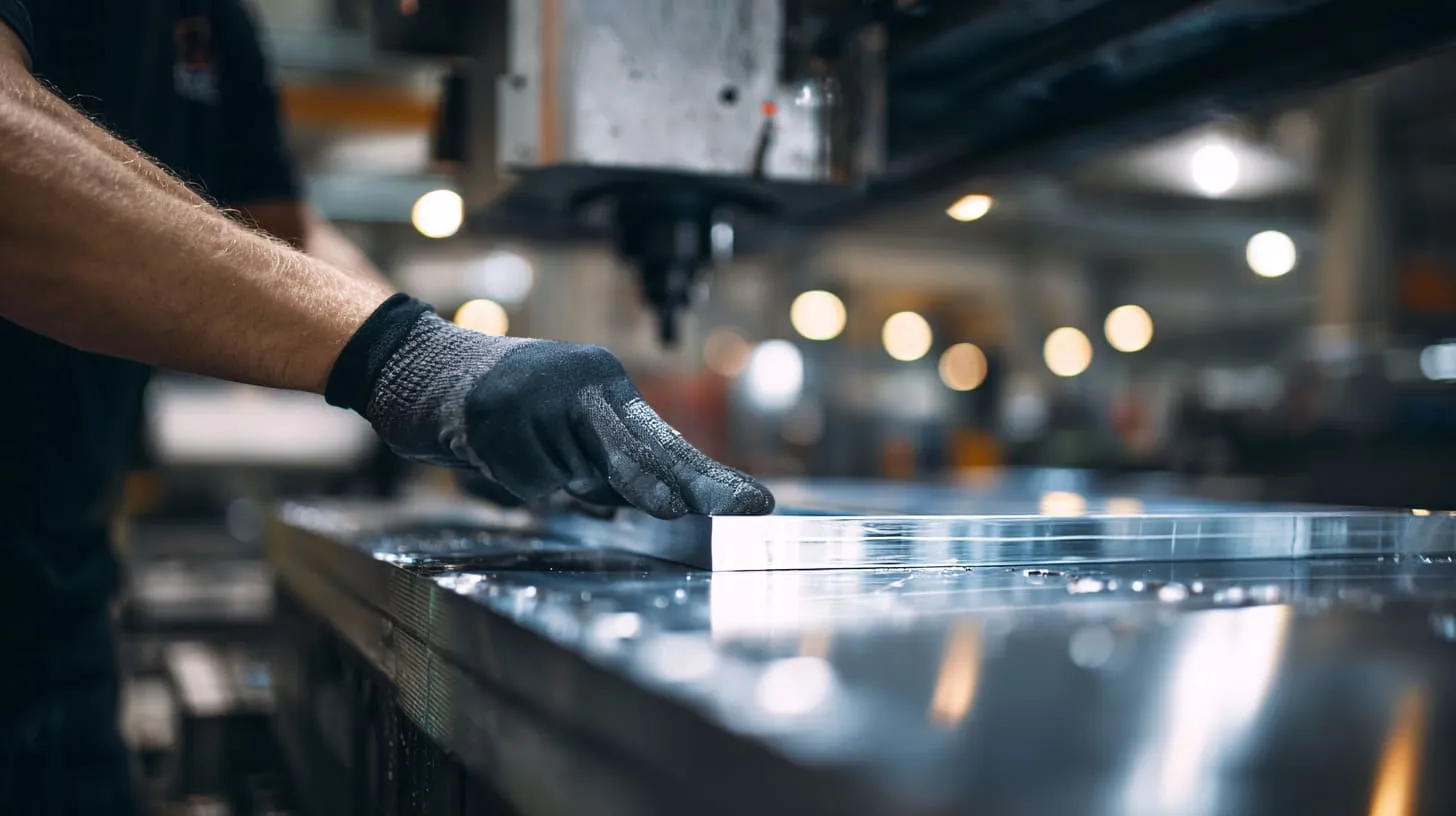
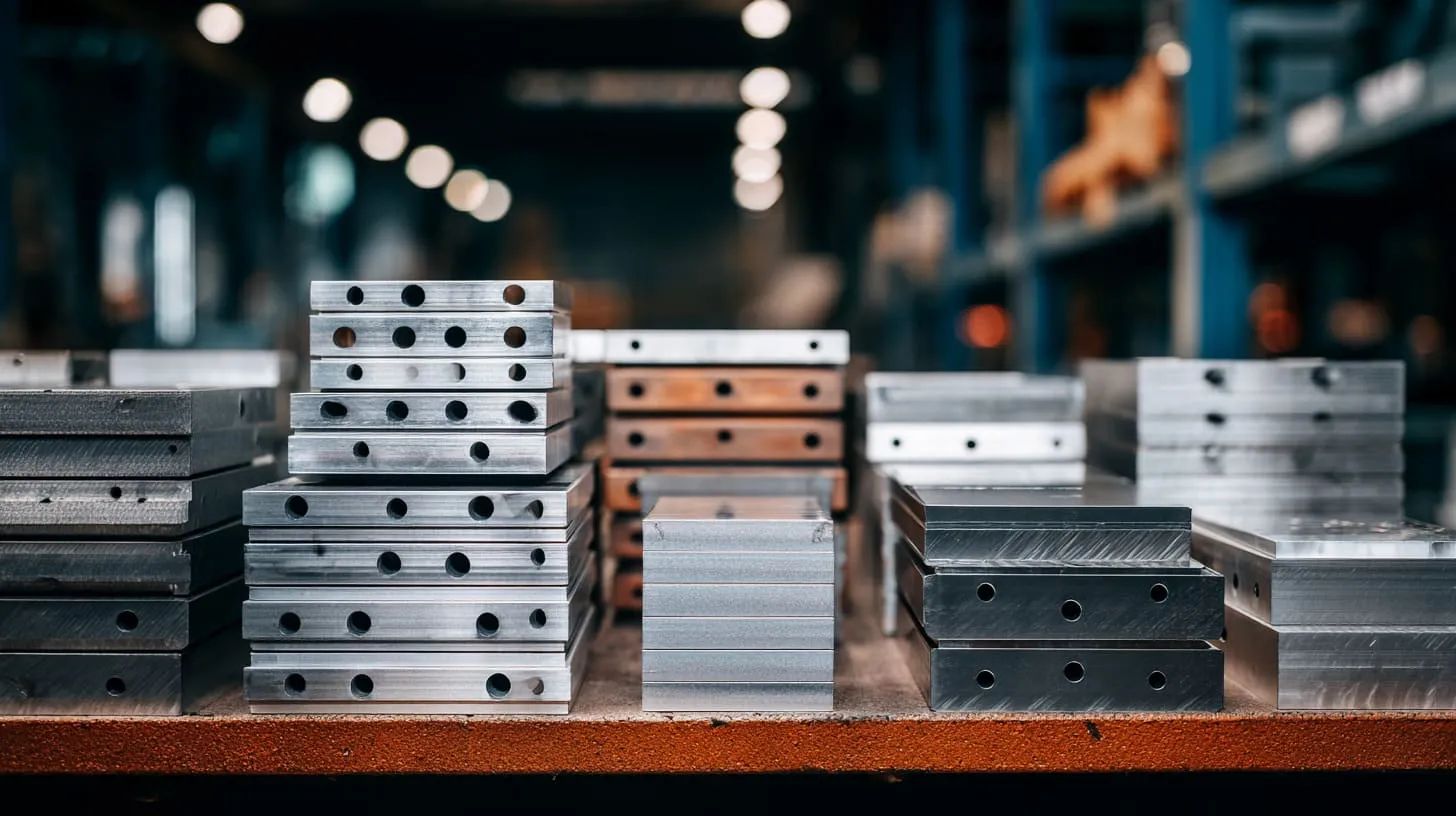
Aluminum fabrication, in the simplest terms, is the process of turning raw aluminum into something useful—something functional, precise, and often beautiful. It’s not just bending metal. It’s building a structure from an idea.
I always explain it like this: imagine taking a blank canvas and slowly layering strokes until it becomes a portrait. That’s what we do, except with aluminum sheets or bars. We cut it, shape it, form it, join it, and finish it—until it becomes an enclosure, a bracket, a panel, or a chassis. Each step adds purpose. Each pass through a CNC machine or bending press gets us closer to a final form that solves a problem.
Most people think of fabrication as just cutting and welding. But in reality, aluminum fabrication includes:
- Design interpretation: Turning a technical drawing into machine paths.
- Material preparation: Selecting the right grade and stock format (sheet, extrusion, etc.).
- Machining and forming: Shaping the part with tools like CNC routers or brake presses.
- Joining: Welding, riveting, or bonding multiple parts together.
- Finishing: Adding surface treatments like anodizing, powder coating, or engraving.
- Inspection: Making sure it fits, looks right, and meets the drawing spec.
Here at MaidaTech, we don’t just treat it like a mechanical process—we treat it like collaboration. Every product we fabricate carries someone’s design dream, someone’s deadline, and someone’s end user in mind. Whether it’s Davide needing a laser-engraved power controller box or John prototyping a next-gen IoT board housing, aluminum fabrication is what connects their blueprint to reality.
It’s a craft. One built on repeatable precision and responsive problem-solving.
Common processes used in aluminum fabrication
You’ve probably heard of CNC machining, welding, anodizing, or bending. They’re all part of the puzzle. Each step serves a different purpose depending on what your end-use requires—strength, appearance, thermal performance, or precision fit.
Why aluminum is a preferred material in fabrication
Aluminum is light. It’s strong. It doesn’t rust easily. For industries like electronics, telecom, and control systems, that makes it an easy pick. Not to mention—it just looks professional. Clients often ask for a brushed or anodized finish because of how clean it looks sitting on a retail shelf.
One time, a Belgian client named Jackson told me, “I chose aluminum because it just makes my brand feel premium.” And I get it.
Let’s talk about how we get aluminum from raw to refined.
Main Types of Aluminum Fabrication Processes
Cutting
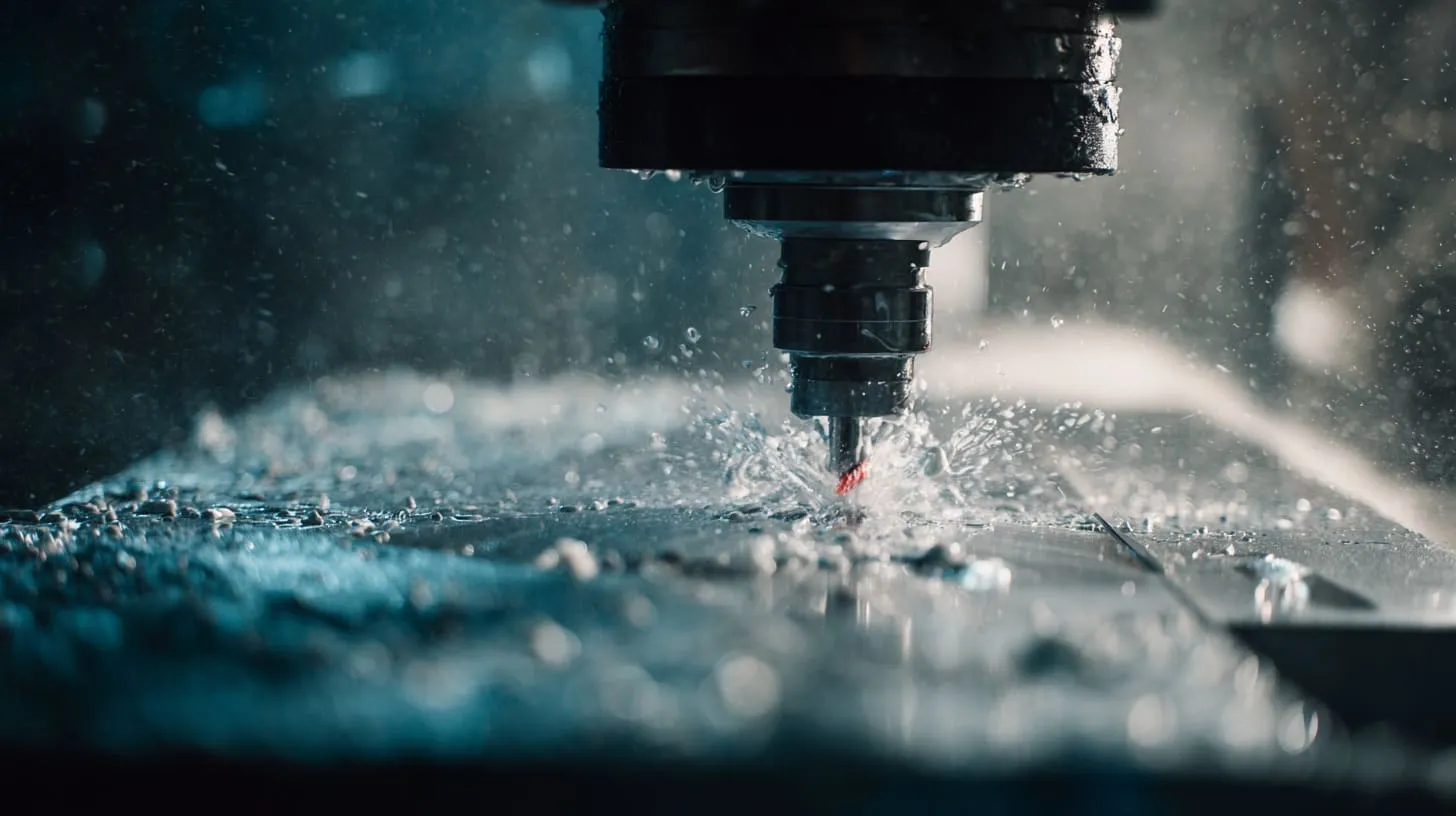
- CNC machining uses precision tools to mill, cut, and drill parts based on a CAD design. Tight tolerances, repeatable results.
- Laser cutting is perfect for sharp edges and complex outlines.
- Waterjet cutting? It’s what we use when we want zero thermal distortion—think aerospace-grade parts.
Bending & Forming
Some designs look simple… until you try to bend them.
- Brake press bending is our go-to for sharp corners.
- Roll forming gives us smooth curves.
- Deep drawing—we use it when we need to stretch the metal deeper than you’d think possible without cracking.
Joining Techniques
Putting pieces together is where the magic happens.
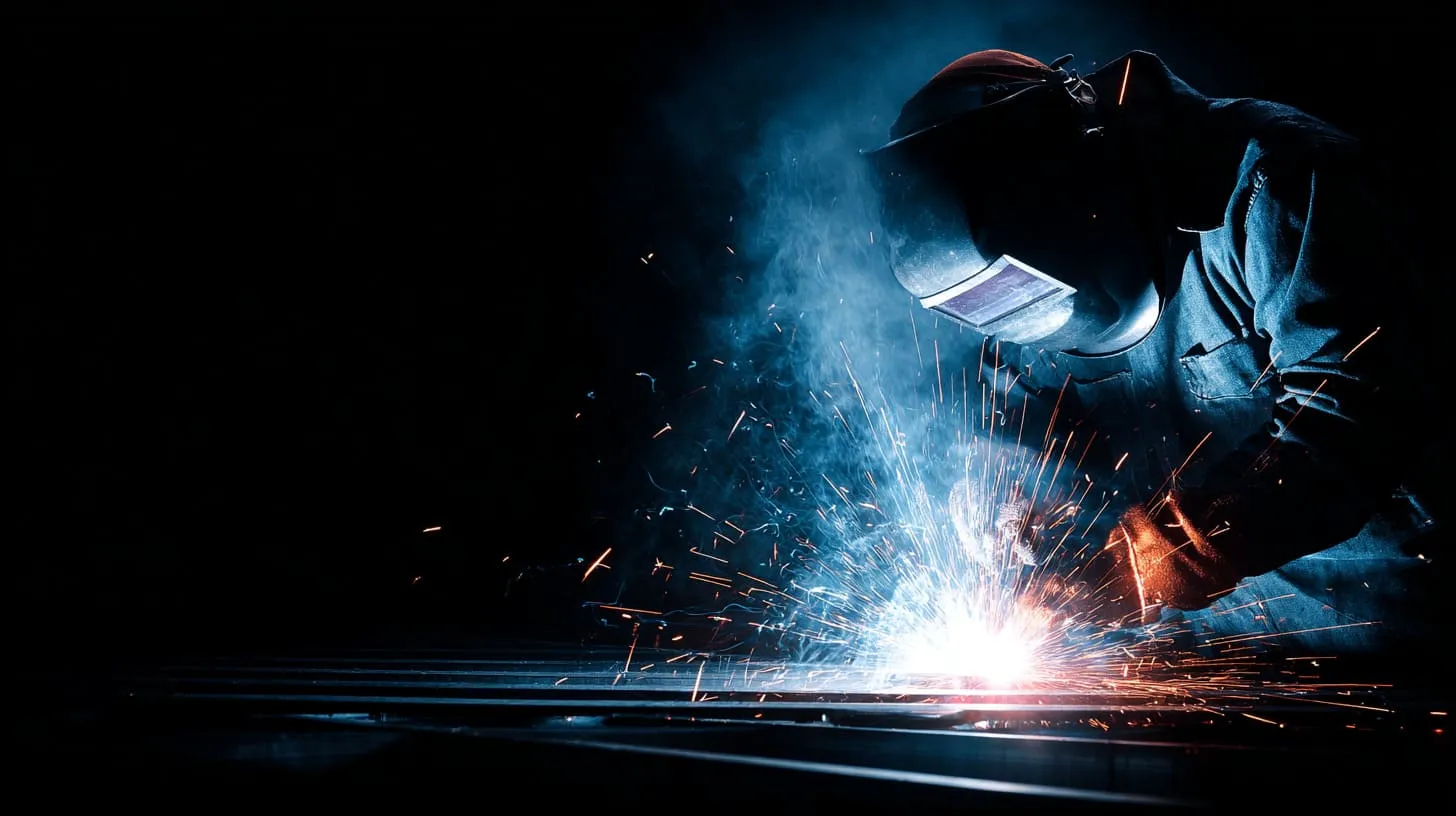
- TIG/MIG welding offers strength and durability.
- Riveting keeps it lightweight without melting the surface.
- Adhesive bonding works well for electronics where heat is risky.
- Threaded inserts are what engineers like Davide always request—for secure fastener mounting.
Surface Finishing
This is where a functional part becomes a beautiful one.
| Finishing Type | Key Benefit | Common Use |
|---|---|---|
| Anodizing | Corrosion resistance + color options | Control panels, branding |
| Powder Coating | Durable and uniform color layer | Outdoor applications |
| Brushed Finish | Sleek, premium look | Consumer-facing parts |
| Sandblasting | Matte texture, surface prep | Pre-coating or labeling |
Custom Machining (OEM Specific)
You want USB ports? LED windows? A spot for your logo? We’ve done it all.
- Drilling and tapping for screw inserts
- Custom cutouts for ports
- Laser engraving or silk screen printing for branding
Some buyers give us a sketch; we turn it into a 3D reality.
I once worked with a guy named Lasle—wanted a custom enclosure for his single-board computer. He sent me hand-drawn notes. Three weeks later, his product was live.
Sometimes you don’t need fancy. You just need someone to get it.
So how do we pick the right aluminum to begin with?
Aluminum Grades Used in Fabrication
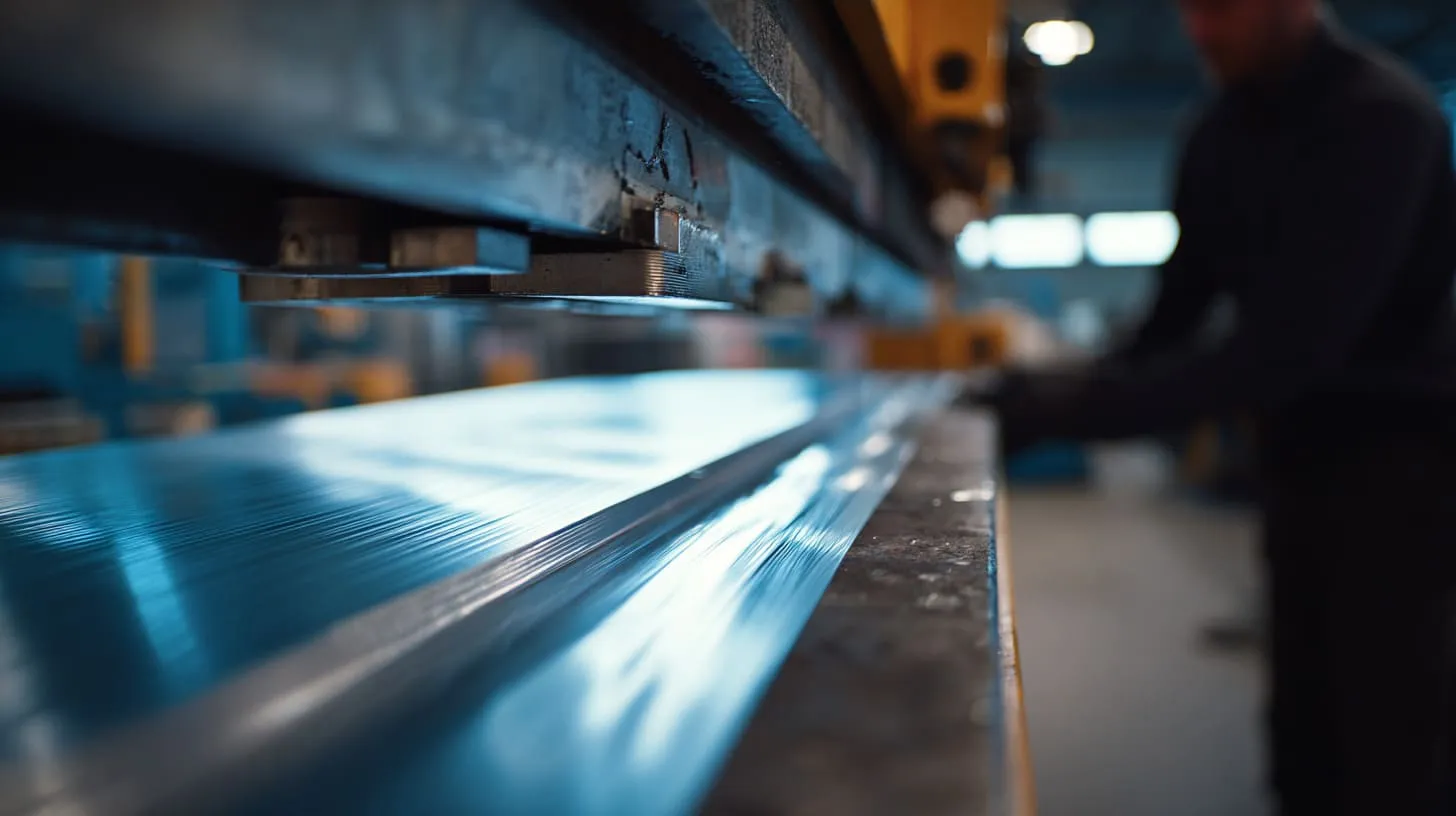
Commonly used aluminum alloys
| Alloy | Strength | Corrosion Resistance | Machinability | Use Case |
|---|---|---|---|---|
| 6061 | High | Good | Excellent | Enclosures, frames |
| 5052 | Medium | Excellent | Good | Marine, humid areas |
| 6063 | Lower | Good | Excellent | Architectural finishes |
Strength vs corrosion resistance trade-offs
6061 is tough. 5052 laughs at seawater. It all depends on where your product will live.
Want a rugged outdoor IoT box in Florida? Go with 5052. A desktop amplifier for indoor use? 6063 will save you cost.
How to choose the right aluminum grade for enclosures
We guide most of our clients based on two questions:
- Where will it be used?
- How does it need to look?
From there, we make recommendations that balance cost, strength, and aesthetics.
Choosing material is like setting the tone for your entire product. Get it wrong and everything else struggles.
Now, let’s build the rest of the product around that material.
Design Considerations for Aluminum Enclosures
Wall thickness and strength
Go too thin and it warps. Go too thick and it costs too much. Most clients settle between 1.5–3 mm depending on part size.
Heat dissipation
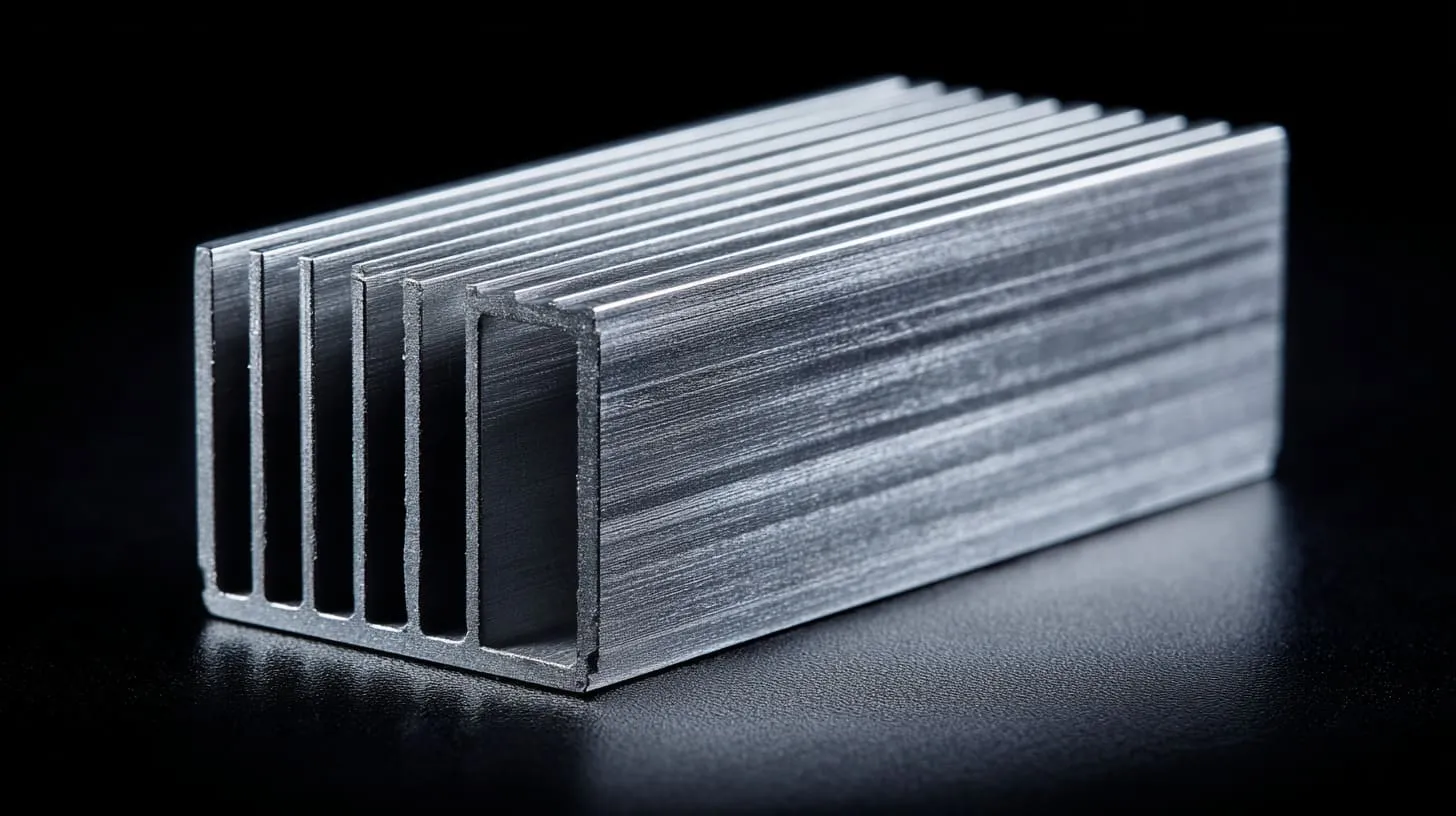
Aluminum’s thermal conductivity is a huge plus. We often machine fins directly into cases to help passively cool power modules.
EMC/RFI shielding
A solid aluminum enclosure can naturally shield against electromagnetic interference. When needed, we add conductive gaskets or coatings.
Mounting and hardware integration
We plan for standoffs, screw holes, and DIN rail clips early in the design—otherwise, you end up drilling manually post-production. No one likes that.
IP/NEMA ratings
If your product faces dust, water, or vibration—ask for sealed designs. We’ve done IP65 to IP68 depending on gasket, seal, and port design.
Tools and Equipment Used in Modern Fabrication
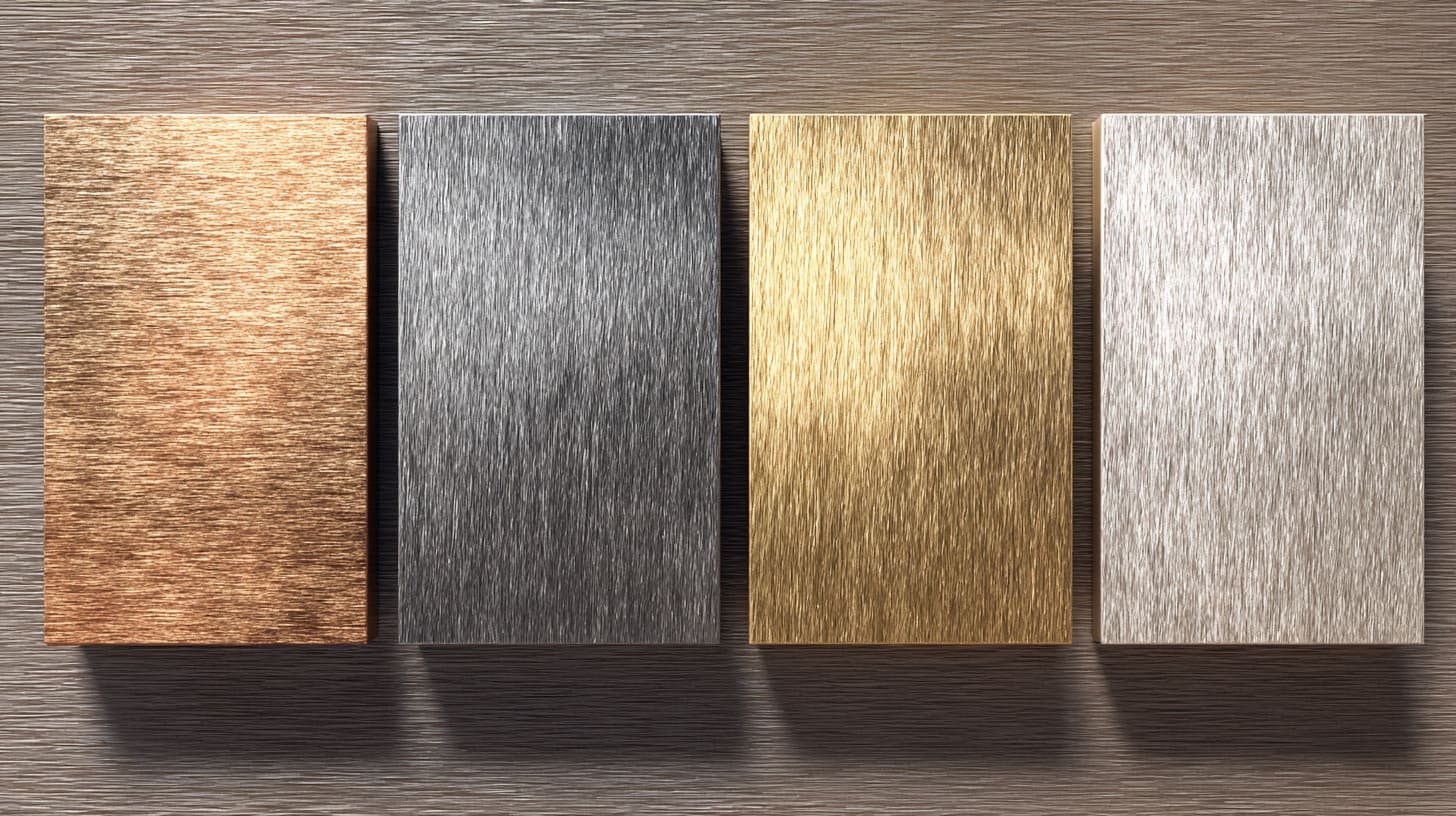
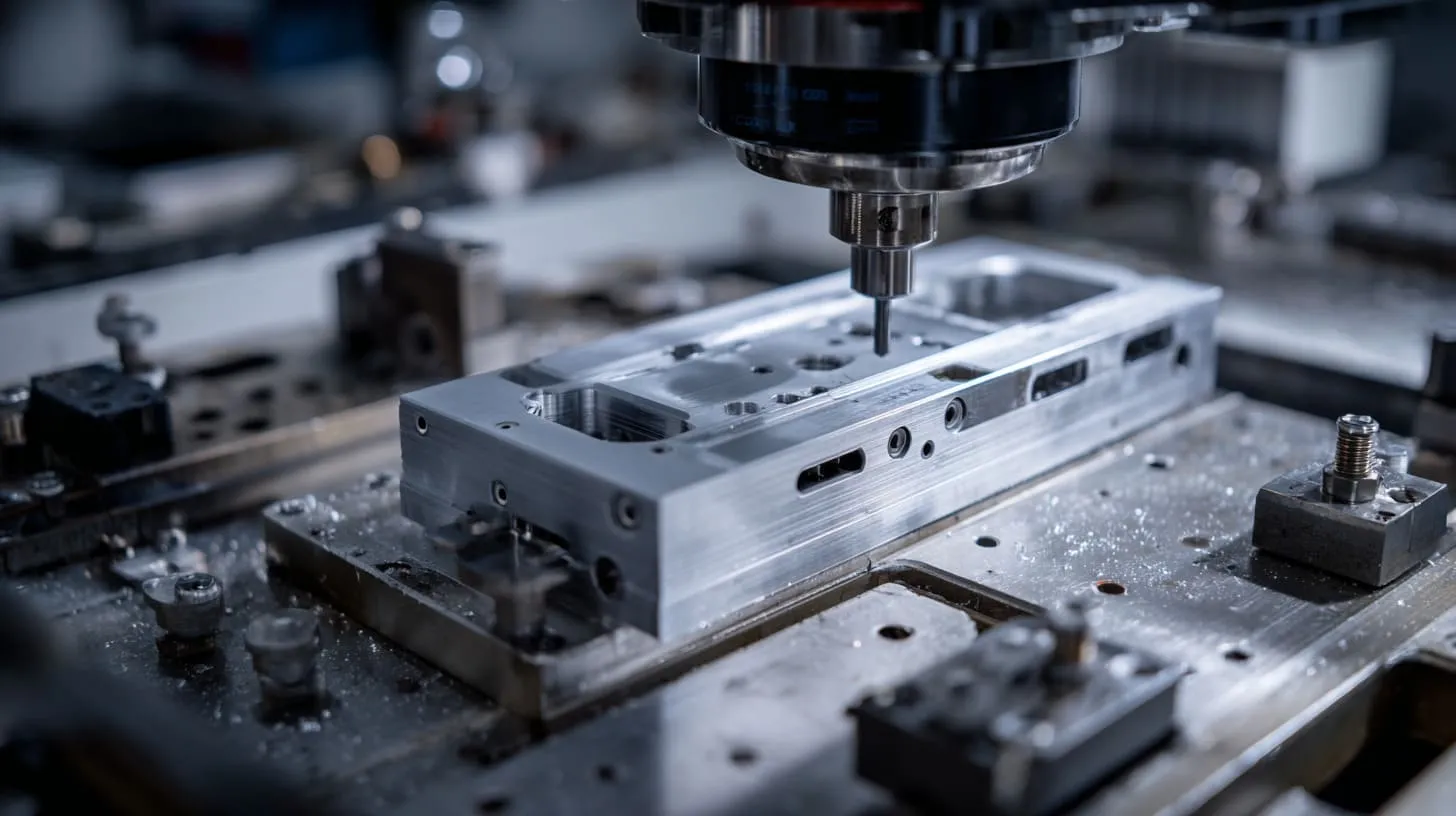
- CNC Machines – Our shop runs 4-axis and 5-axis CNCs daily. Accuracy down to 0.02 mm.
- Laser cutters – For clean, precise panel work.
- Press brakes – Critical for consistent bends.
- Welding stations – TIG setups for electronics-grade enclosures.
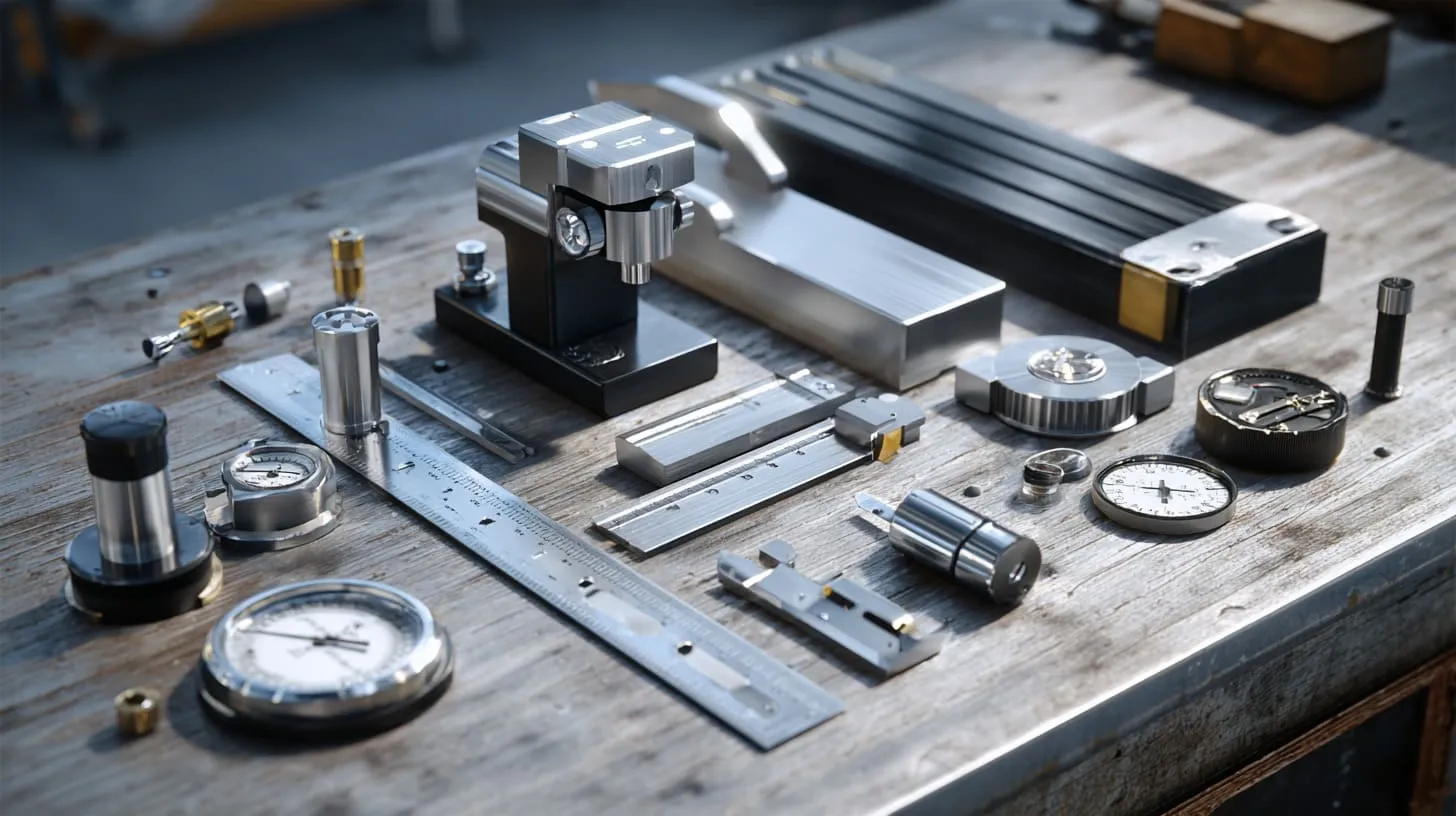
- Quality tools – Calipers, micrometers, even 3D scanners if needed.
We don’t just “cut and send.” We inspect at every stage.
Advantages of Aluminum Fabrication
Lightweight and durable
Easy to ship. Tough to break.
Corrosion resistant
Anodized aluminum survives salt, rain, and spilled coffee alike.
Easy to machine and customize
Perfect for low-volume or prototyping needs.
Excellent thermal properties
Aluminum dissipates heat naturally—no fan needed.
Aesthetic and modern appearance
Clients love that “Apple product” finish look.
All those advantages explain why we keep getting calls from people building everything from EV charging stations to smart home hubs.
Common Applications Across Industries
Industrial control systems
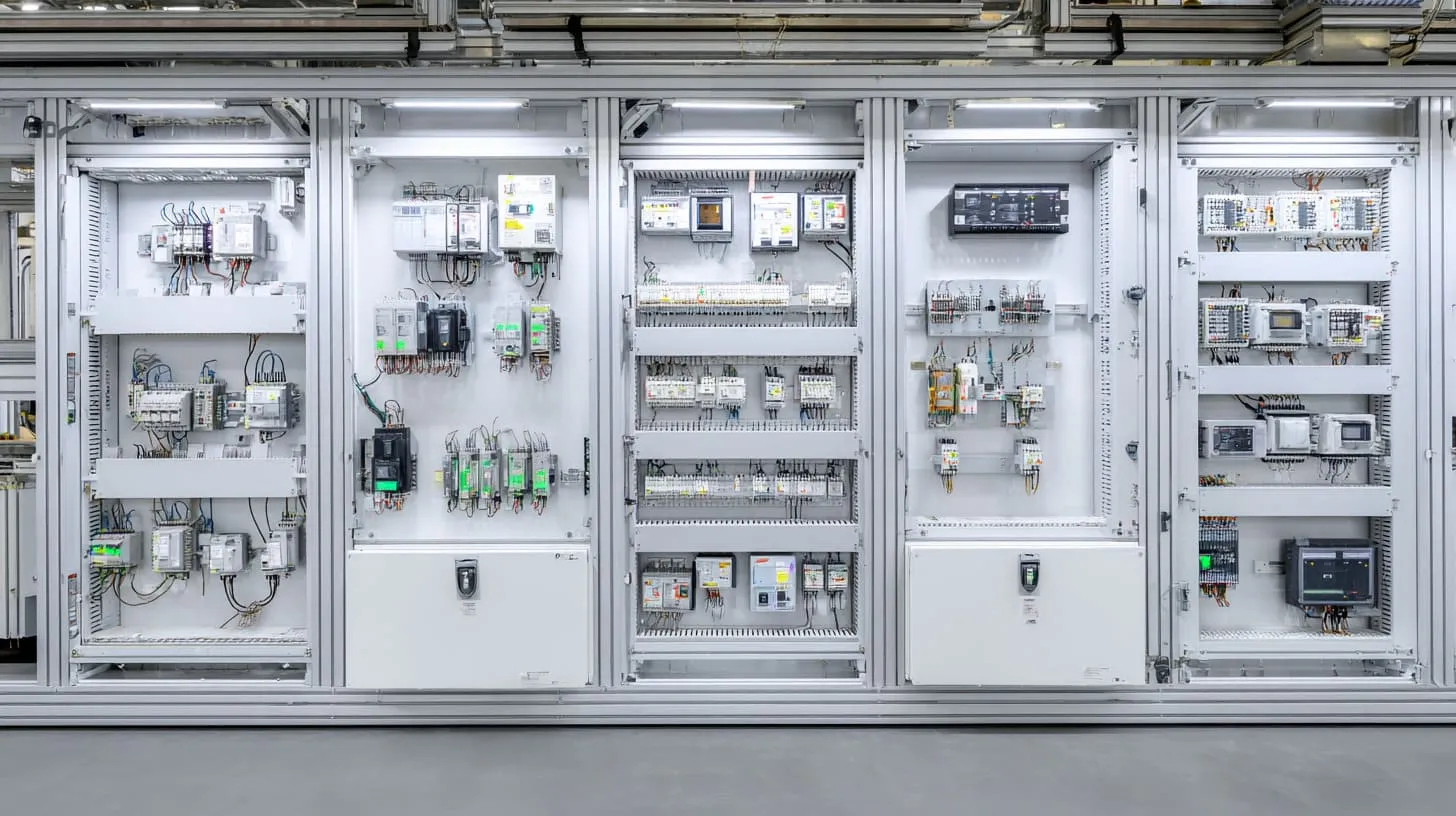
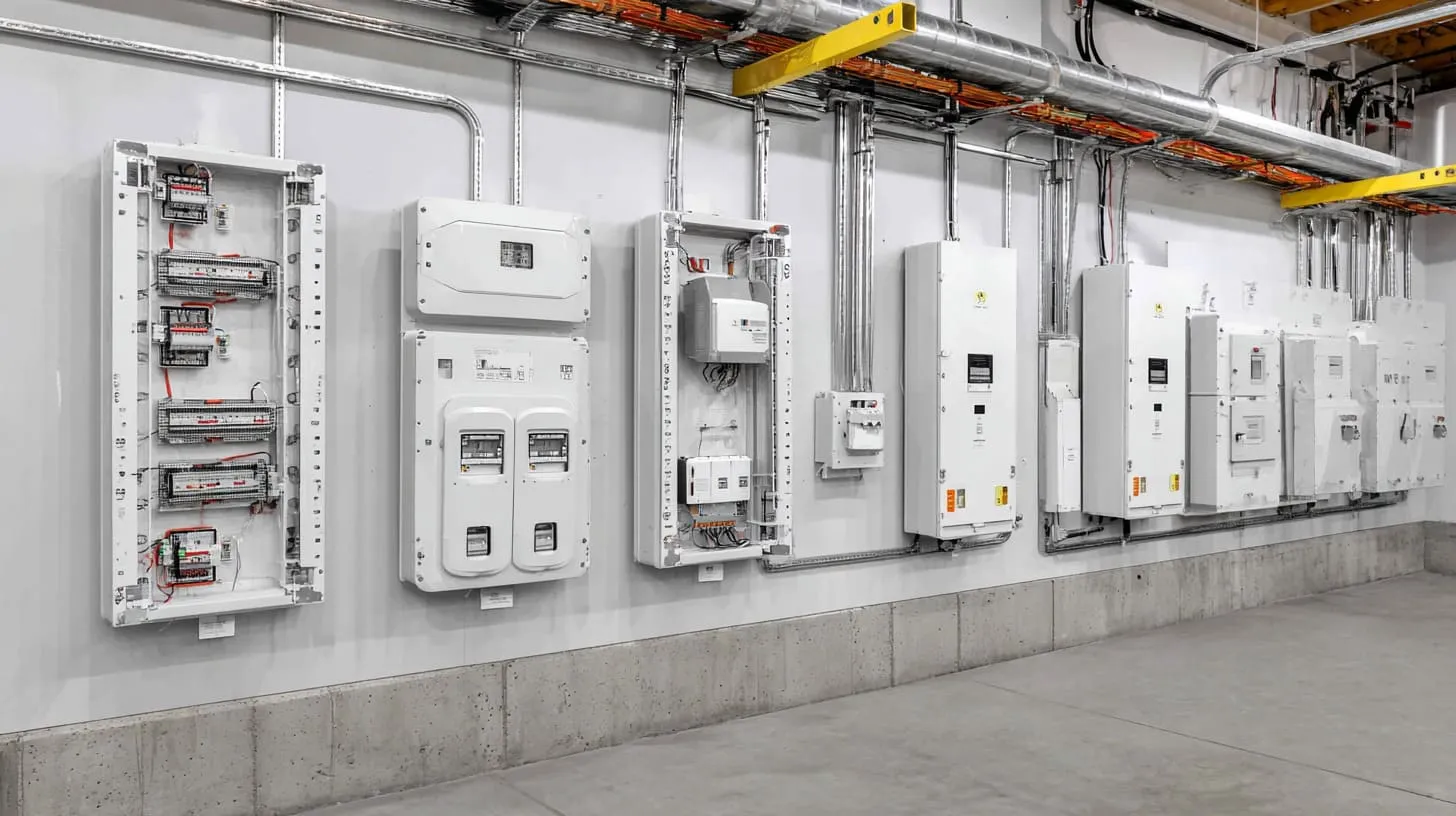
Wall-mounted or DIN rail enclosures—rugged and reliable.
IoT & embedded systems
From Raspberry Pi to custom ARM boards, we build cases that stay cool and compact.
Power supply enclosures
Shielding, airflow, and insulation all matter here.
Audio amplifier cases
Thick brushed aluminum, gold anodized knobs—classic hi-fi look.
Networking & server chassis
Lightweight 1U or fanless router enclosures. Precision drilled.
Jackson from Belgium once told me, “People don’t just buy what’s inside. They buy what it looks like on the outside, too.”
He was right.
OEM & ODM in Aluminum Fabrication
What OEM buyers like Davide should look for
You want:
- Fast response time
- Drawings reviewed quickly
- Reliable lead times
- Support for logo or packaging customization
How ODM users like John can co-develop products with factories
Share your idea—even a sketch.
We help turn it into CAD, prototype, and production.
You bring the vision, we bring the tooling.
Importance of early-stage communication and design alignment
Send files early. Talk about tolerance needs. Ask about MOQ and color.
Good communication saves time and money.
Quality Control in Aluminum Fabrication
Tolerance checks and measurement standards
Every part is measured. No guessing.
Material certification and traceability
Yes, we can give you 5052 H32 certs if you need them.
Visual inspection and surface finish QA
Scratches? Inconsistencies? We don’t let them out the door.
Batch testing and pre-shipment inspections
We send video inspections for every shipment. Especially for new clients.
Packaging, Lead Times & Shipping
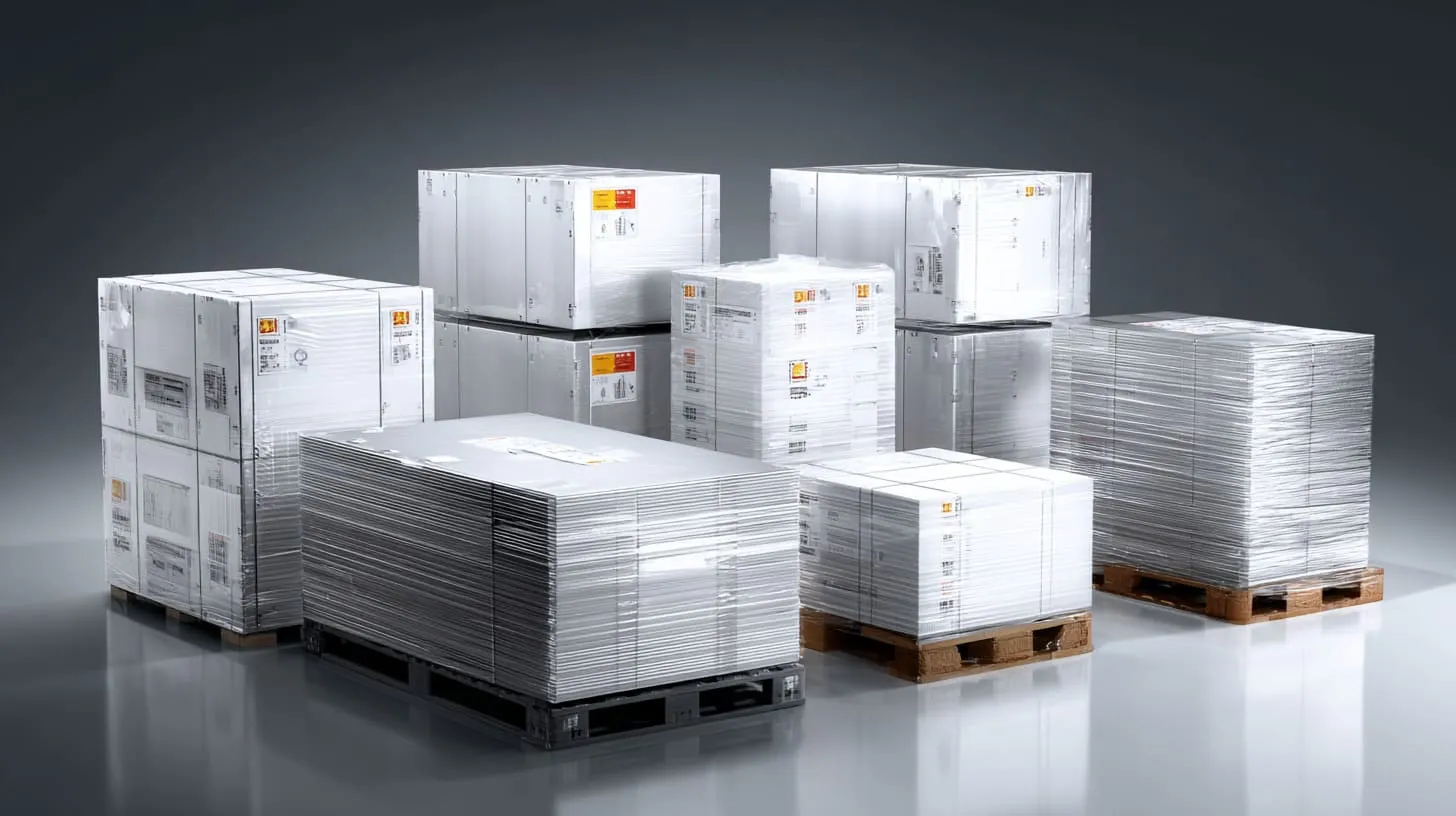
Safe packaging for sharp-cornered aluminum parts
We use foam inserts, plastic bags, and thick wall cartons.
Foam inserts and export-grade cartons
We match export standards. You won’t get dented edges.
Typical lead time estimates
| Order Type | Lead Time |
|---|---|
| Sample | 7–10 days |
| Mass Production | 15–25 days |
| Rush Orders | Contact us first |
Tips for avoiding delays in custom orders
Reply fast. Confirm specs quickly. Delay in reply = delay in production.
Cost Factors in Aluminum Fabrication
How volume affects pricing
500 pieces? Better per-unit cost than 50. MOQ matters.
Complexity and machining time
Deep cuts, tight tolerances, small threads? All add cost.
Finishing choices impact cost
Anodizing adds ~$0.50–$1.00 per unit depending on color and quantity.
Shipping and logistics considerations
Use your own forwarder or ours. We ship FOB, CIF, DDP depending on your need.
Tips for Choosing a Reliable Aluminum Fabricator
Look for experience with OEM/ODM custom orders
Ask if they’ve done enclosures before. Not all factories can bend clean corners.
Check certifications and factory equipment
ISO9001? In-house CNCs? Ask. It shows professionalism.
Evaluate communication speed and engineering support
Your emails should get answered within 24 hours.
Review past projects and case studies
A good factory will show you their work. We always do.
Conclusion
Aluminum fabrication isn’t just bending metal. It’s building trust—through precision, clarity, and reliability.
If you’re sourcing custom enclosures for electronics, power systems, or IoT, aluminum might be your best bet.
And if you're like Davide or John, and want someone to actually listen and help you make your idea work—well, now you know who to call.