The question usually comes out casually. Sometimes it’s asked during a sample review. Sometimes it’s hidden inside a long email thread. But once it shows up, everything else pauses—is this material actually safe for food?
Yes, 304 stainless steel is considered food grade and is widely used in the food industry for its safety, durability, and resistance to corrosion.
That answer sounds simple. Yet in real projects, it rarely feels that way. Numbers like 304 and 316 get thrown around. Sales reps say “food safe.” Engineers hesitate. And suddenly, one material choice feels heavier than it should.
Is 304 or 316 better for food?
They sound like cousins—and they are. But they don’t behave the same way in every kitchen.
316 stainless steel offers better corrosion resistance than 304, especially against salty or acidic environments.
When corrosion resistance truly matters
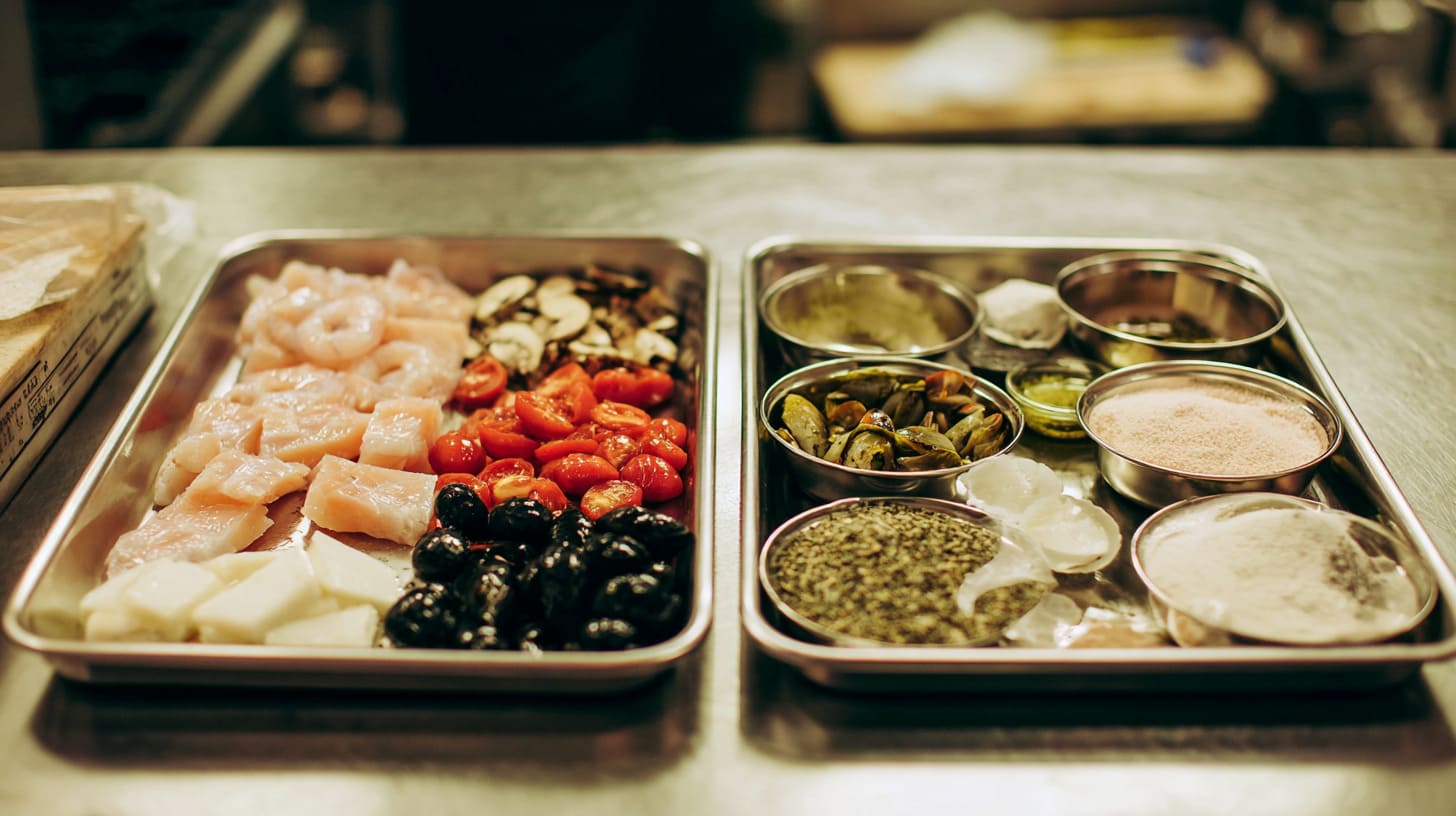
If you’re working with food that’s high in salt or acid—think tomato paste, seafood processing, or soy sauce factories—304 might start to pit or stain over time. That’s where 316 comes in with its secret weapon: molybdenum. It adds extra corrosion-fighting power.
| Grade | Best For | Not Ideal For |
|---|---|---|
| 304 | General-purpose food equipment | High-salt, acidic conditions |
| 316 | Harsh chemical or salty environments | Cost-sensitive projects |
Is 304 stainless steel safe for drinking water?
I’ve worked with clients designing water fountains and dispensers—and this comes up a lot.
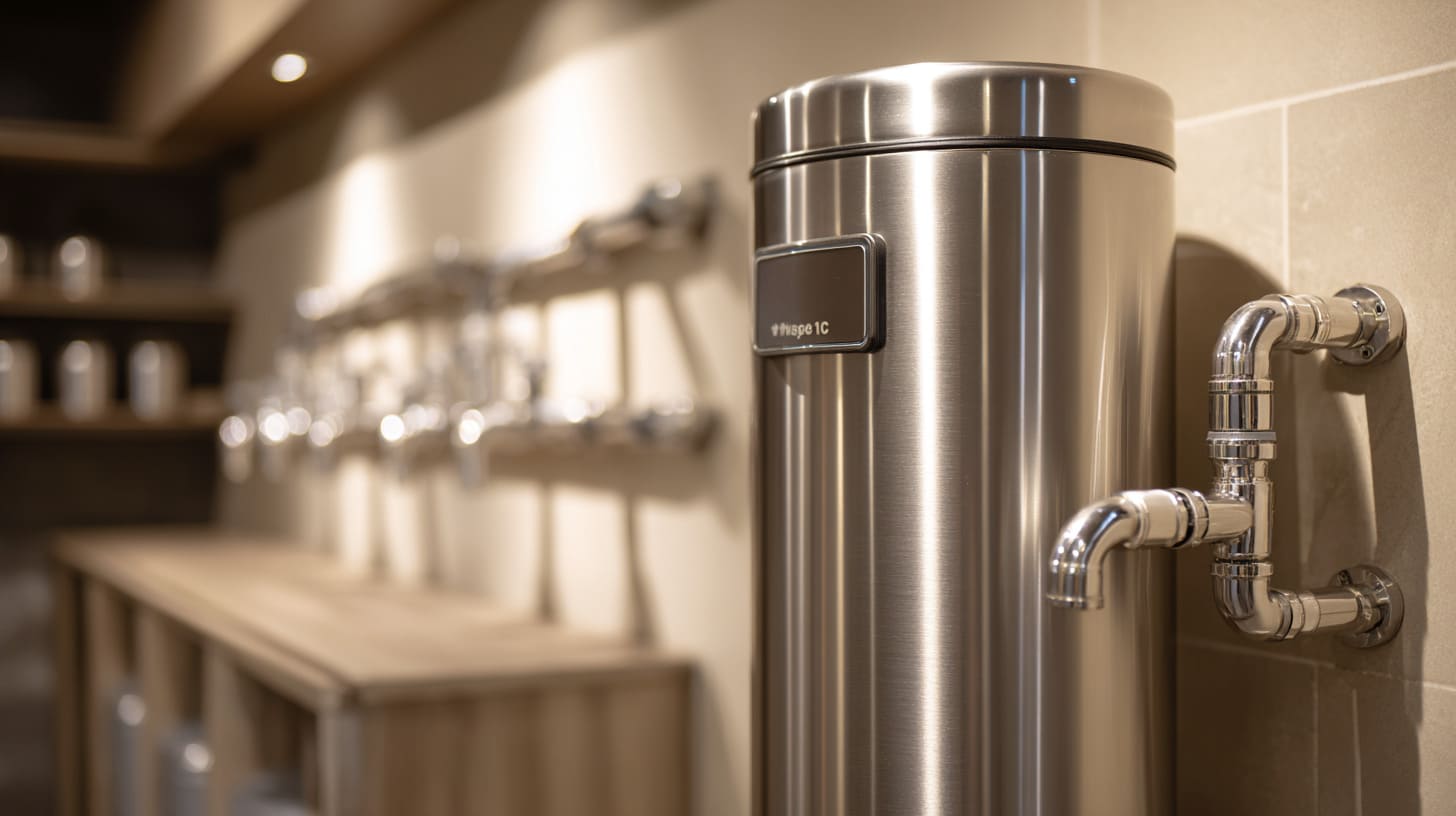
Yes, 304 stainless steel is considered safe for drinking water and is commonly used in water systems.
Why it works for water
304 resists corrosion in most freshwater systems. It doesn’t leach, won’t change the taste, and is easy to sanitize. That’s why it’s used in pipes, tanks, and even espresso machines.
But for high-chloride water or systems under constant pressure? Some switch to 316 just to be safe.
What are the disadvantages of 304 stainless steel?
No material is perfect. Even the popular kids have flaws.
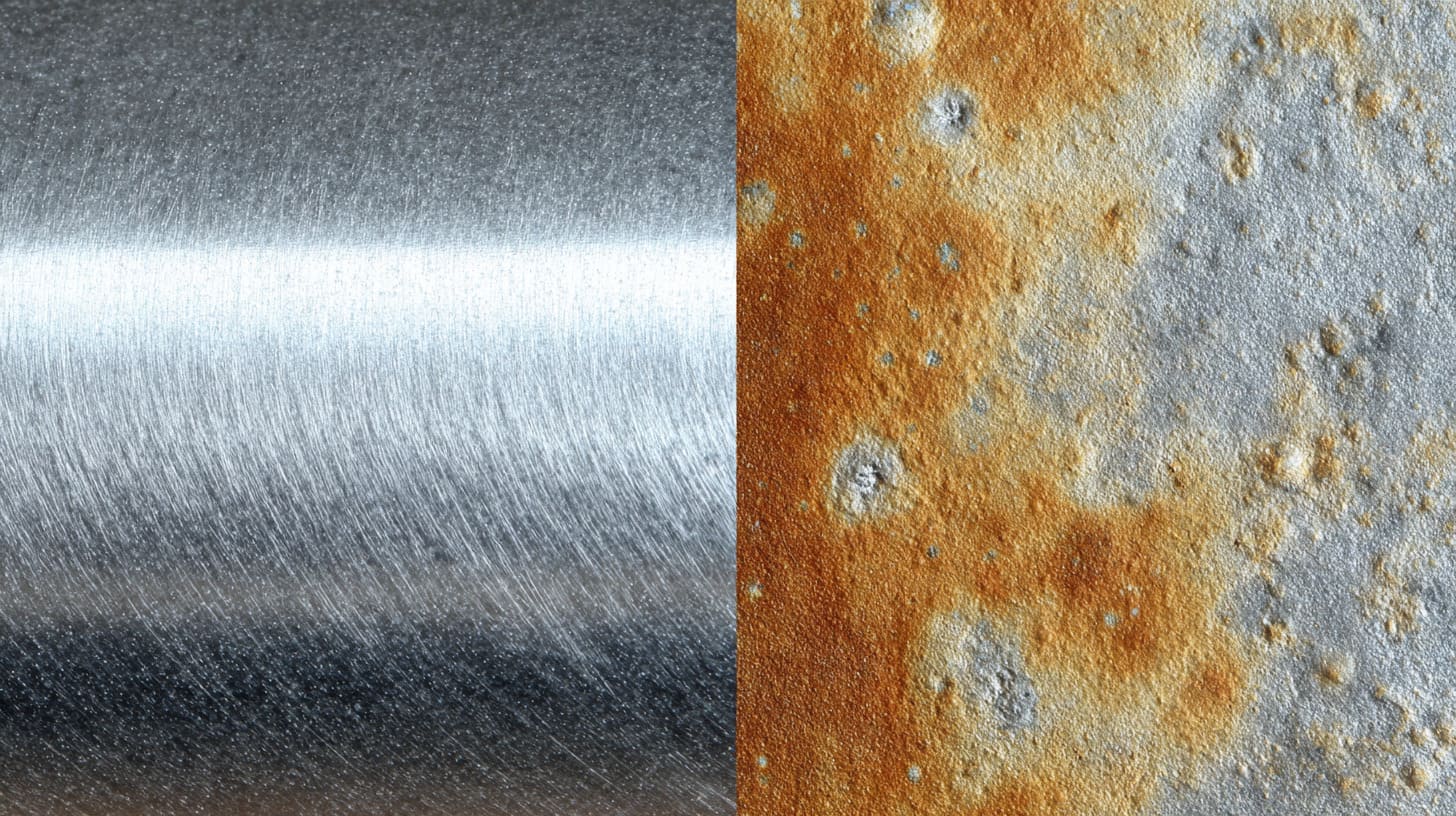
304 stainless steel can rust in salty or acidic environments and is more expensive than non-stainless metals.
The downside, plain and simple
- Pitting corrosion: especially around food acids or salts.
- No magnetic properties: which can matter in automated systems.
- Price: higher than aluminum or basic steel.
If your use is indoors, dry, and general-purpose—304 still shines. But it’s good to know when to look deeper.
Is a 304 stainless steel body safe?
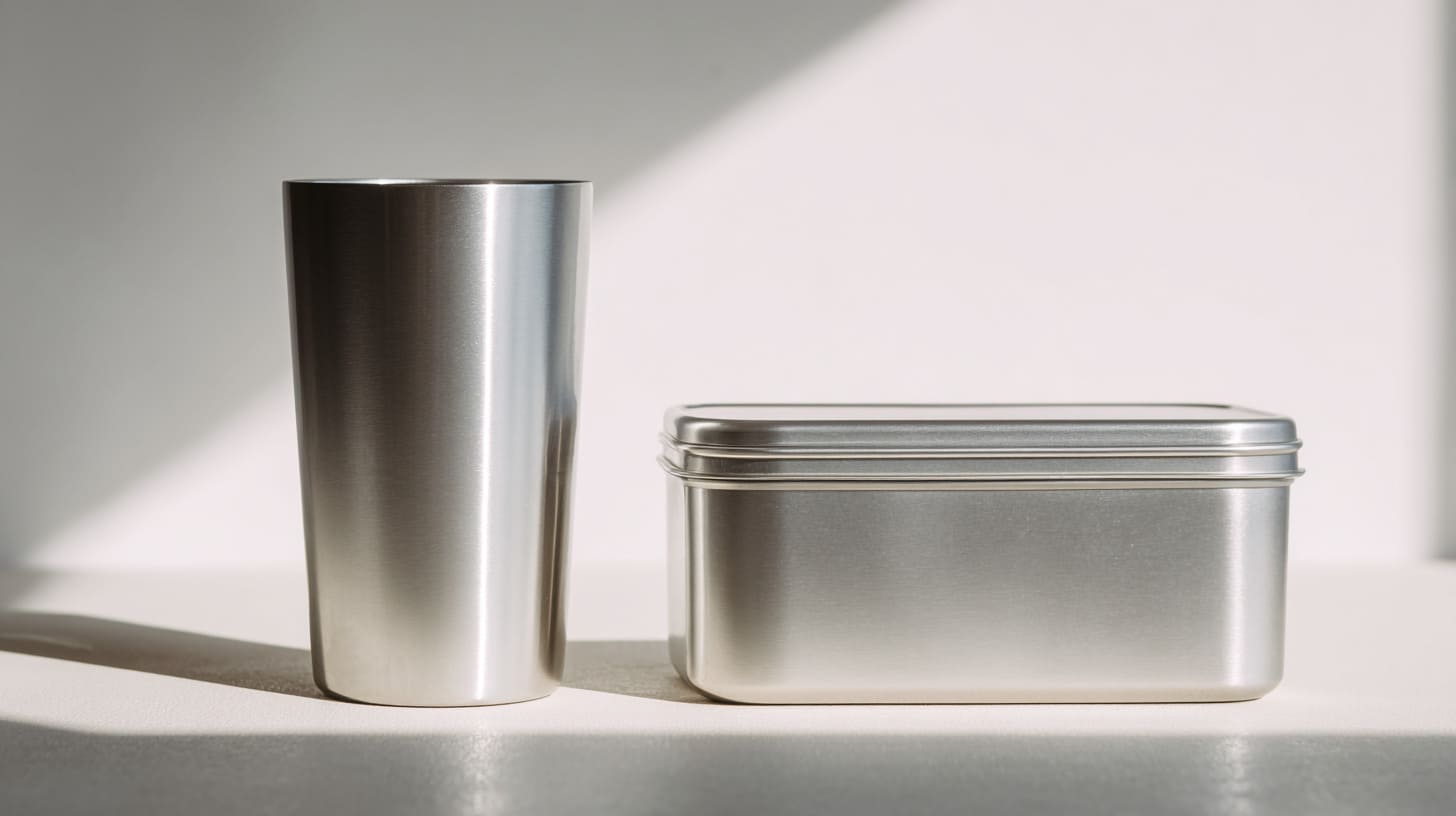
Whether it's a tumbler, a food container, or a coffee grinder—it's often made with 304.
Yes, 304 stainless steel bodies are safe for both food and general use.
Designed to protect
The chromium-nickel composition in 304 forms a protective layer that resists wear and doesn’t interact with food or drink. Unless the steel is scratched deeply or exposed to harsh chemicals for a long time, it holds up beautifully.
Is 304 stainless steel ok for cooking?
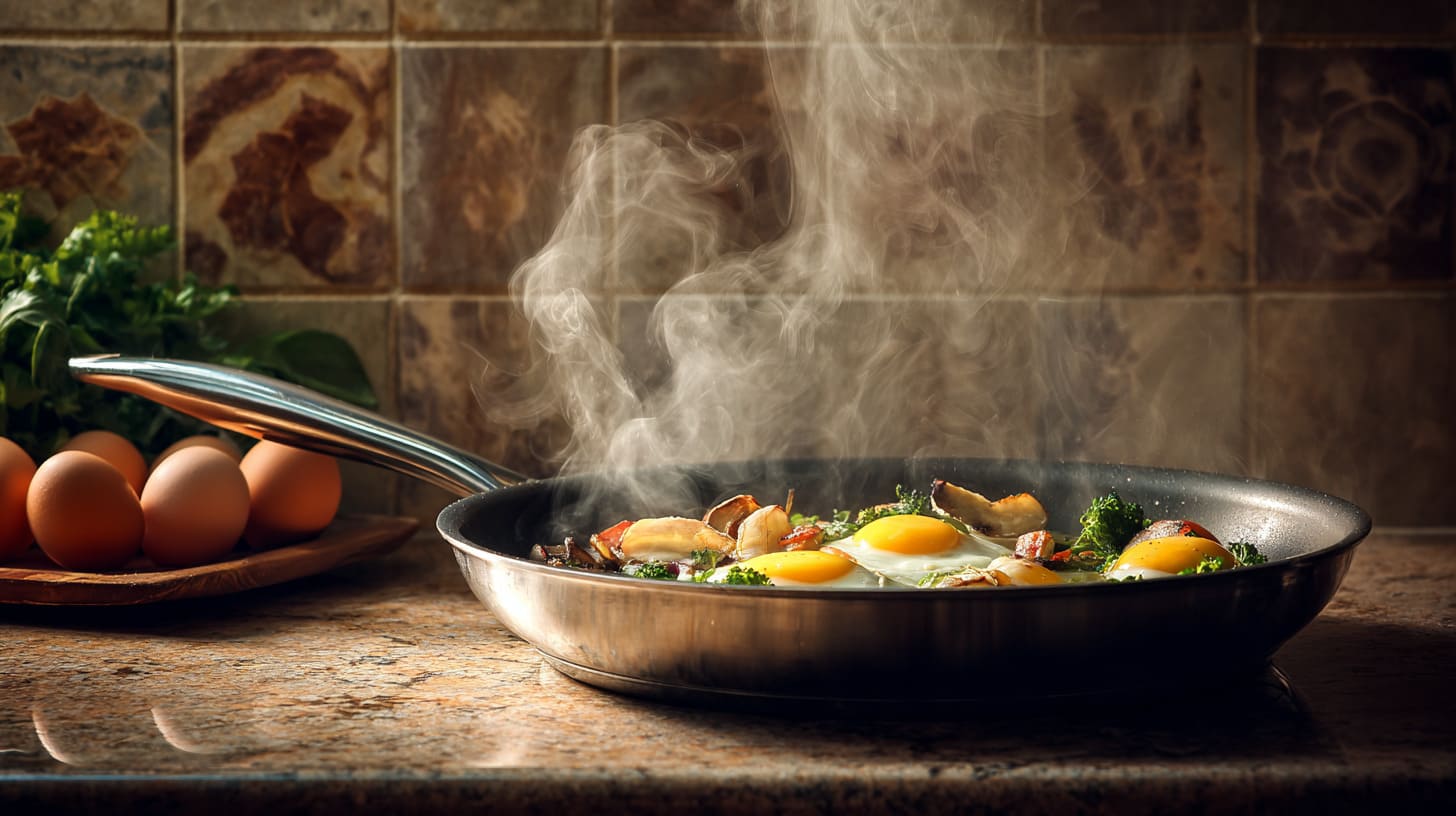
I’ve fried eggs, boiled noodles, and even tried caramelizing sugar in 304 pots. It holds up.
Yes, 304 stainless steel is commonly used in cookware and is considered safe for all cooking applications.
Why chefs and engineers both love it
It doesn’t react with food. It handles high heat. And it scrubs clean without fuss.
Just don’t expect it to be non-stick—and don’t drag it across gravel floors, like a client once accidentally did unloading from a trade booth crate.
What makes stainless steel food grade?
The term sounds fancy, but it's really about the chemistry.
Food-grade stainless steel resists corrosion, is non-reactive, and is easy to clean.
The three food-safe pillars
- Corrosion Resistance – No rust, even after thousands of washes.
- Non-Toxic Composition – No lead, no dangerous coatings.
- Cleanability – Smooth surface = less bacterial buildup.
Is 304 stainless steel safe for food contact?
This is the question many clients should ask, but don’t.
Yes, 304 stainless steel is widely approved for direct food contact in nearly all international standards.
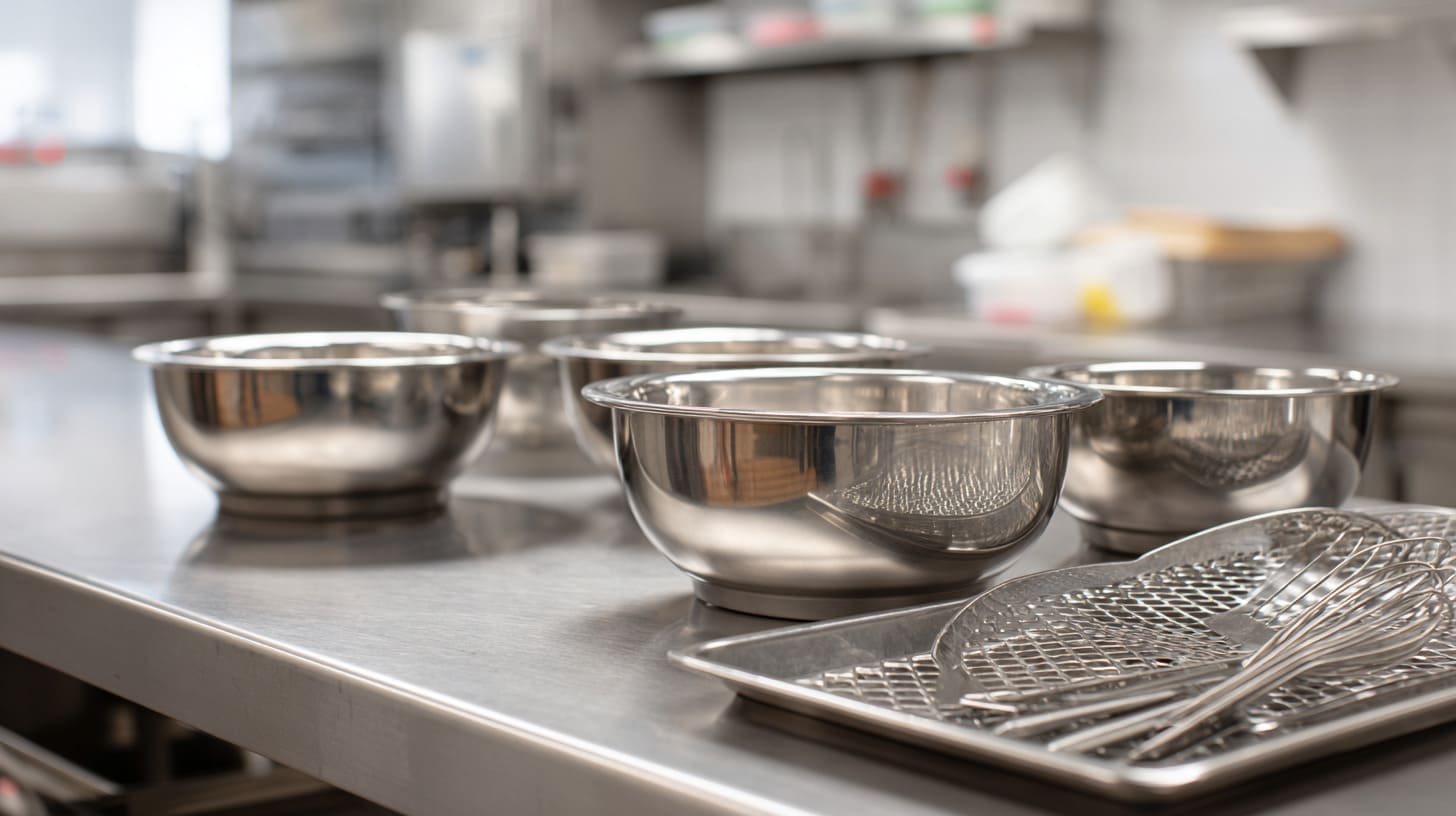
Hidden trust in your kitchen
It’s used in:
- Food processing tanks
- Commercial kitchen counters
- Utensils and trays
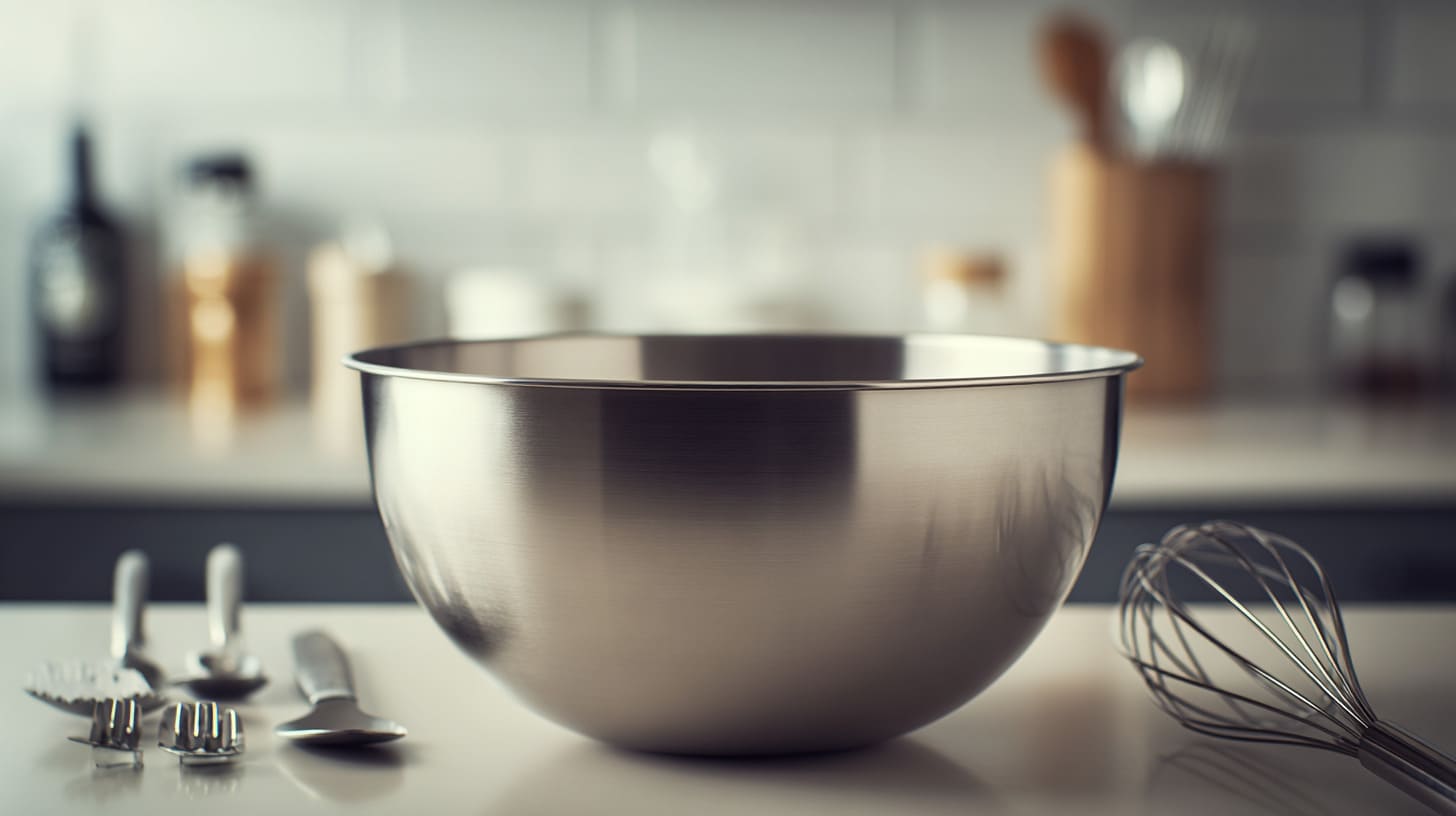
- Mixing bowls
And yes, even the spoon you used at lunch was probably 304.
What’s the difference between 304 and 316 stainless steel for food use?
They're similar—but the devil’s in the detail.
316 stainless steel contains molybdenum, making it better at resisting corrosion, especially from salt or acid.
| Property | 304 Stainless Steel | 316 Stainless Steel |
|---|---|---|
| Main Alloy | Chromium-Nickel | Chromium-Nickel-Molybdenum |
| Corrosion Resistance | High | Higher |
| Cost | Lower | Higher |
| Ideal Use | General food tools | Salty, acidic food processing |
Can 304 stainless steel rust in food applications?
Yes, but only under specific conditions.
304 stainless steel can rust if exposed to chlorides, acids, or damage that disrupts its passive layer.
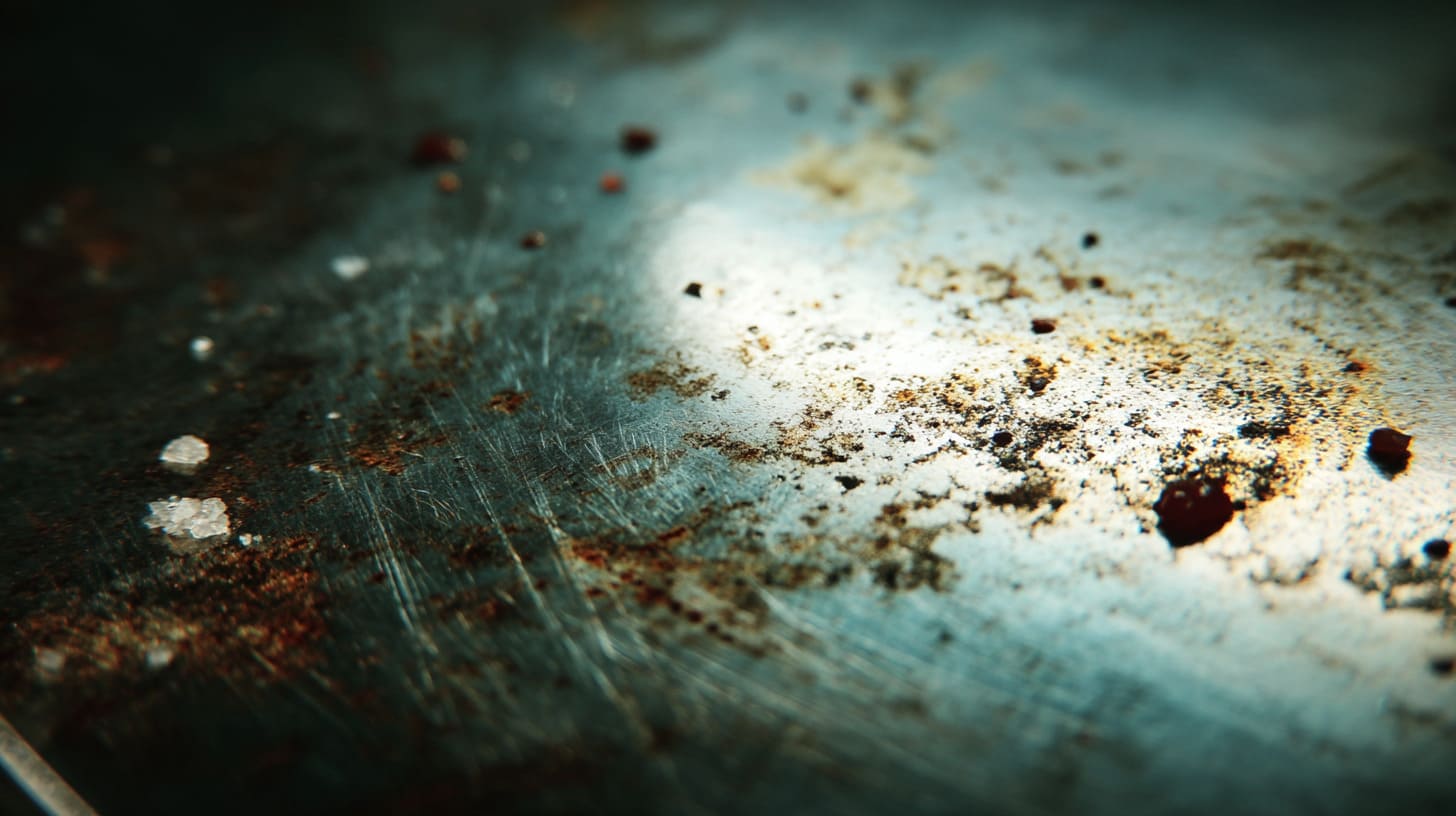
How to avoid it
- Keep it dry when possible.
- Avoid scratching or damaging the surface.
- Clean it regularly, especially around salt and vinegar.
Is 304 stainless steel FDA approved for food use?
My first U.S. client wouldn’t confirm an order until I showed him the FDA document.
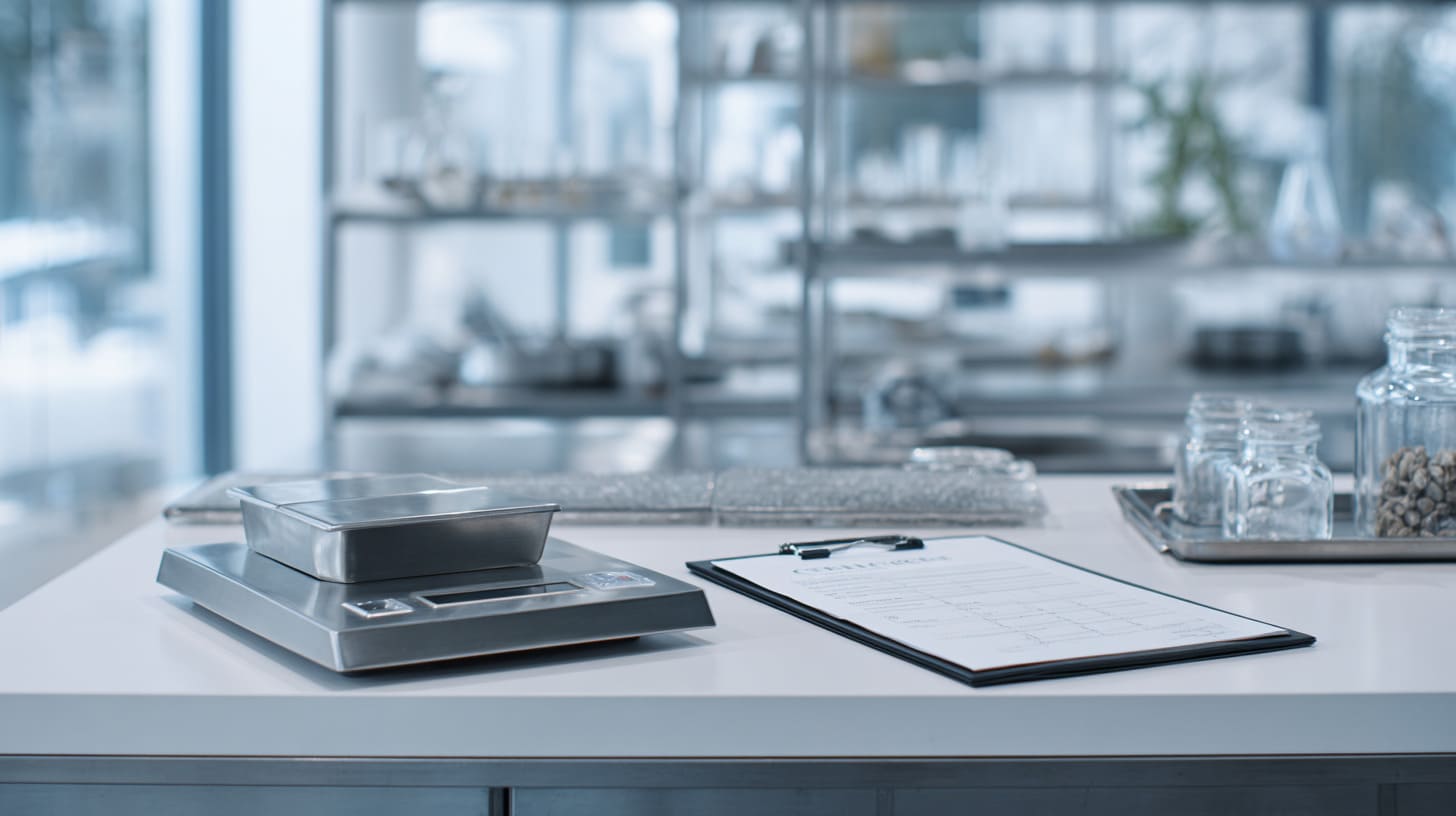
Yes, 304 stainless steel is listed by the FDA as safe for food contact.
The regulatory proof
The FDA includes 304 under CFR Title 21 as acceptable for use in food handling and processing. NSF and other certifying bodies do too. It’s a standard in the food industry—not a loophole.
How do I identify food-grade 304 stainless steel?
Not all shiny metal is safe.
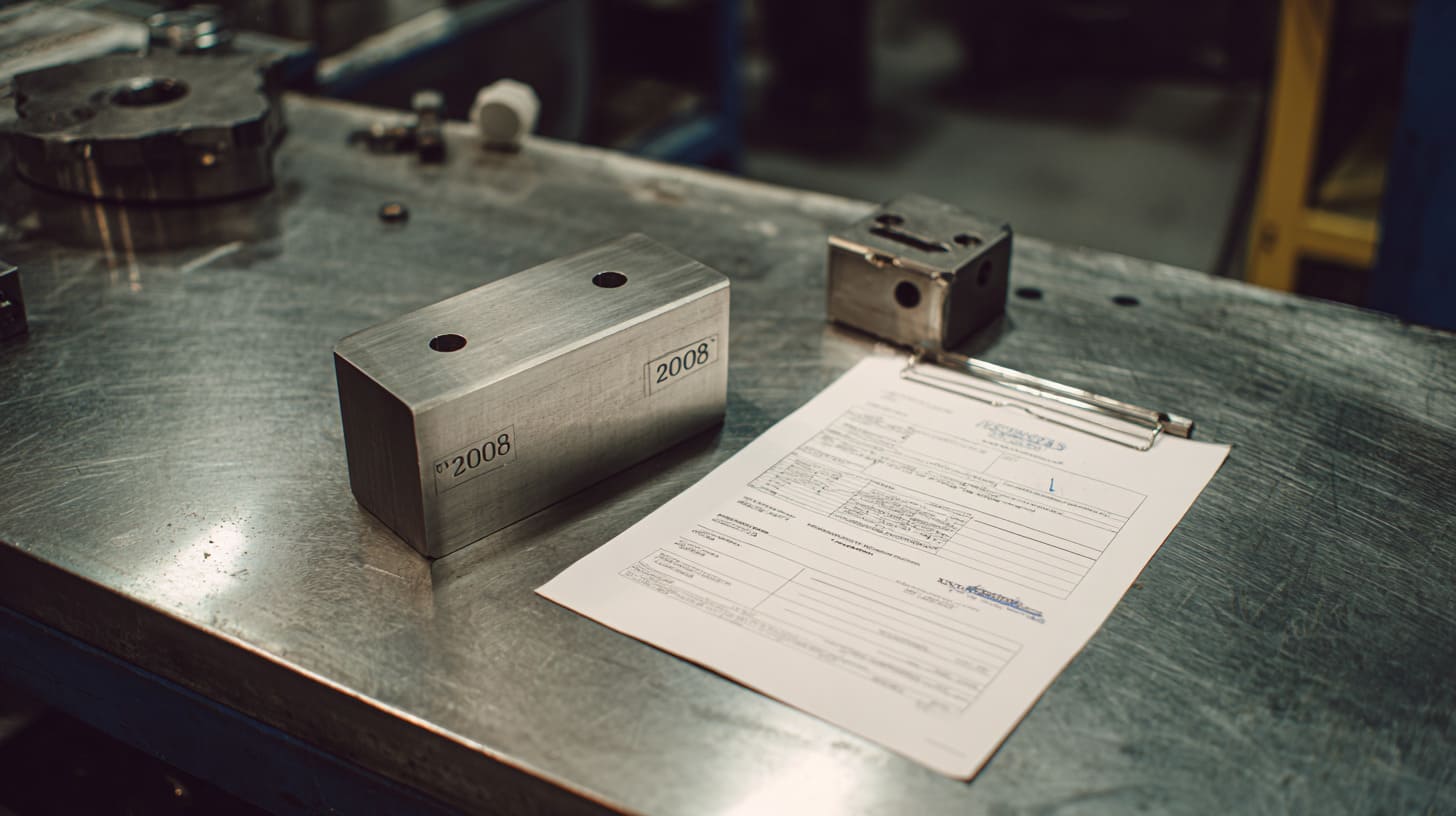
You can identify food-grade 304 stainless steel through markings, supplier documentation, or lab analysis.
Here’s what to check
- Grade Markings: Look for “304” or “18/8” stamped on the part.
- Certificates: Ask your supplier for an MTC (Material Test Certificate).
- Magnet Test: 304 is generally non-magnetic (but this is not foolproof).
Is 304 stainless steel dishwasher safe?
One of my buyers asked this for his entire product line—and yes, it is.
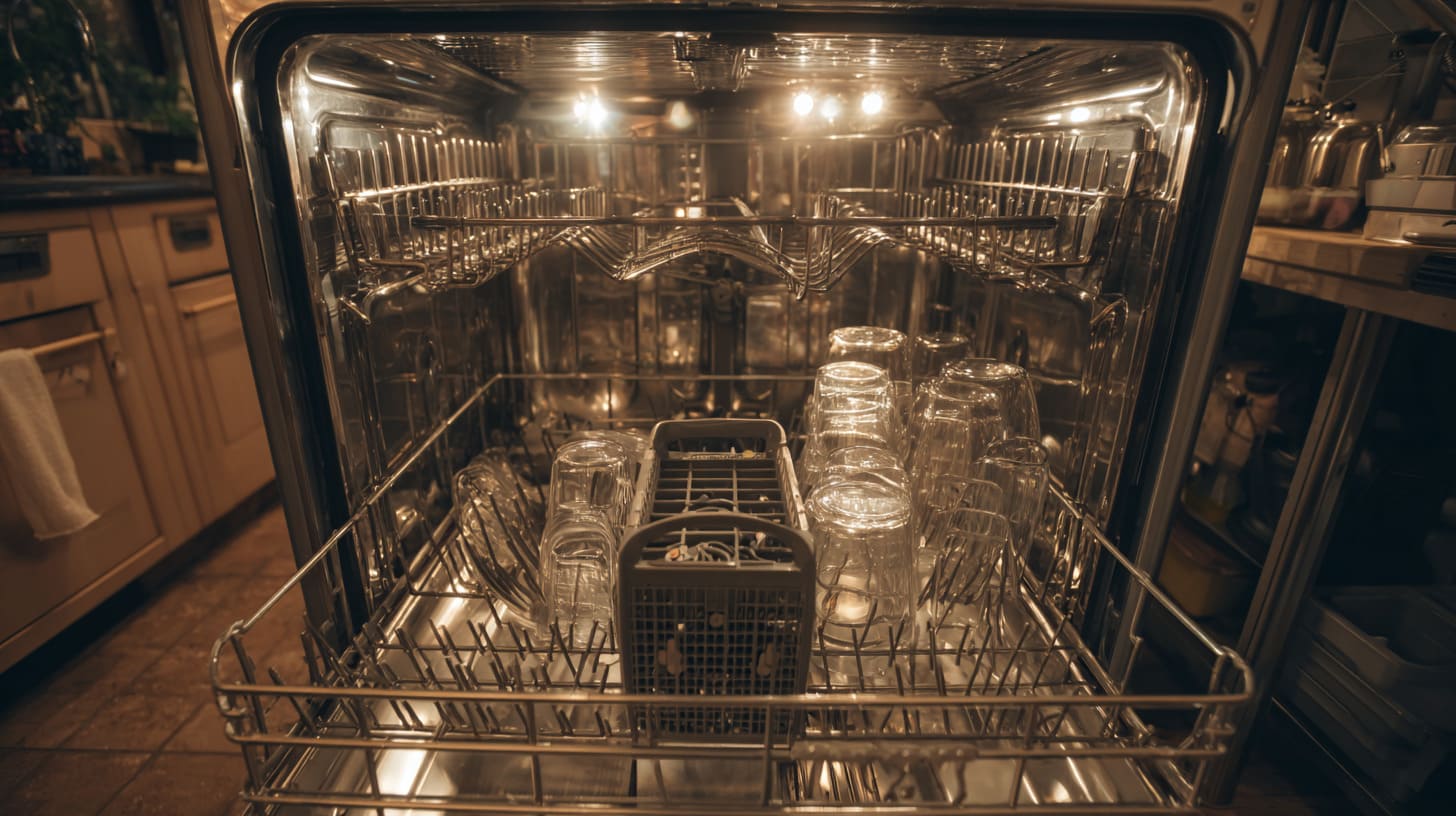
304 stainless steel is safe for dishwasher use and resists rust and discoloration.
But here’s a quick tip
Avoid dishwasher detergents with strong chlorides. Over time, even 304 can show spots or stains.
Does 304 stainless steel leach into food or water?
Safety is everything when it comes to human contact.
304 stainless steel does not leach harmful substances into food or water under normal use.
What’s in, stays in
The chromium and nickel in 304 don’t migrate into your meals unless exposed to extreme heat or acids for prolonged periods. Even then, leaching is minimal and well below safety thresholds.
What are typical food industry uses for 304 stainless steel?
I’ve supplied parts to bakeries, meat plants, cafes—even brewery equipment lines.
304 stainless steel is used in food processing tanks, utensils, kitchen equipment, piping, and appliances.
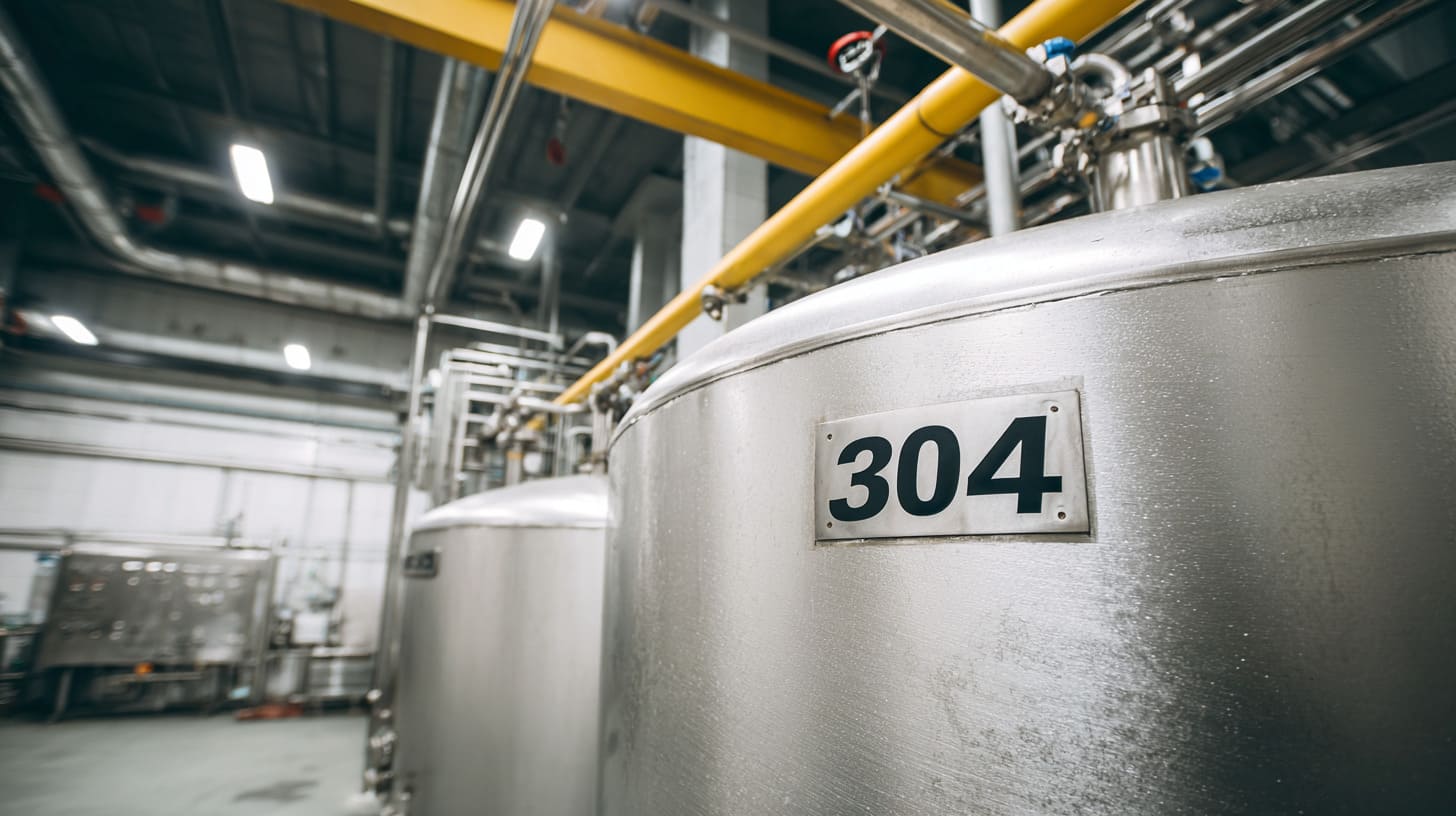
Real-world uses I’ve seen
- Conveyor systems for chocolate lines
- Brewing tanks for small-batch beers
- Chillers for dairy storage
- Food-safe countertops in prep kitchens
Its blend of safety, strength, and affordability makes it a go-to across the board.
Conclusion
304 stainless steel is safe, versatile, and trusted in nearly every kitchen and factory.