Skip to content

There’s a specific kind of silence that happens when your team is ready to launch a product—except the enclosures haven’t arrived. No updates. No tracking. Just… silence.
I’ve been on both sides of this kind of mess. As a factory owner, and as someone who’s worked closely with engineers and product managers, I know how frustrating it gets when custom enclosures become the bottleneck. You’ve done the design work, the electronics are ready, the packaging’s set—but the box that holds it all together? Delayed. Off-spec. Or just… wrong.
This article is about helping you avoid that.
I’ll walk through how to choose the right aluminum enclosure manufacturer for your custom project. Not the cheapest, not the flashiest—but the one who makes your job easier, not harder.
We’ll talk about what matters, what to look for, and the real costs when you get this part wrong.
1. Define Your Project Requirements
1.1 Customisation Scope
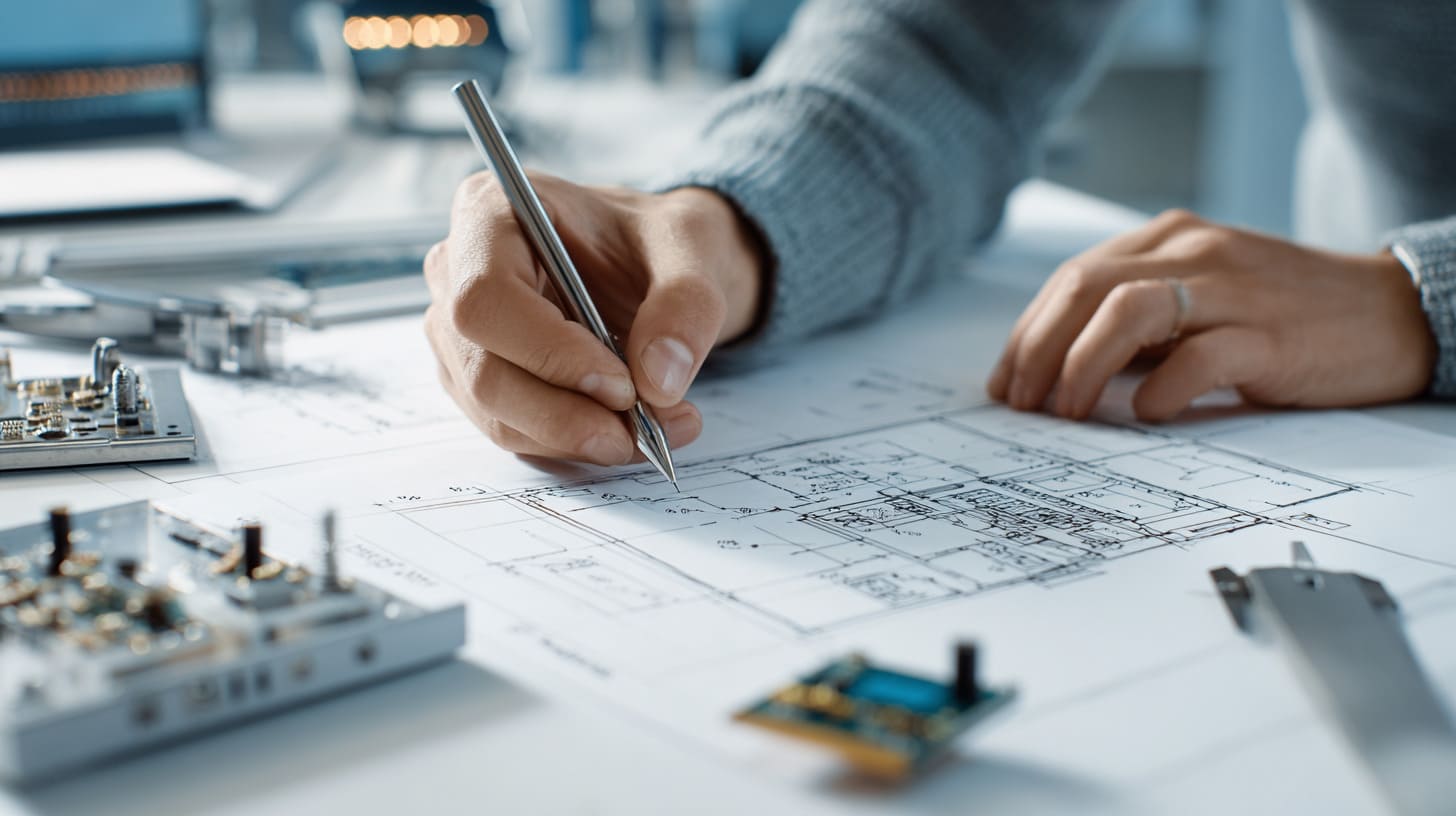
First off, I ask myself: what exactly do I need this enclosure to do?
- What are the dimensions, cut‑outs, mounting holes, ventilation or connectors required?
- Do I need branding/logo engraving or printing on the enclosure?
- Is this an OEM case where my company’s logo goes on, or an ODM where the supplier offers a full redesign? Or perhaps I’m fine with a standard stock enclosure with minimal tweaks?
Critically, I view customization as a spectrum. On one end: minor logo engraving. On the other: fully bespoke form‑factor. The more bespoke it is, the more I need the manufacturer to have the capabilities.
1.2 Material & Finish Requirements
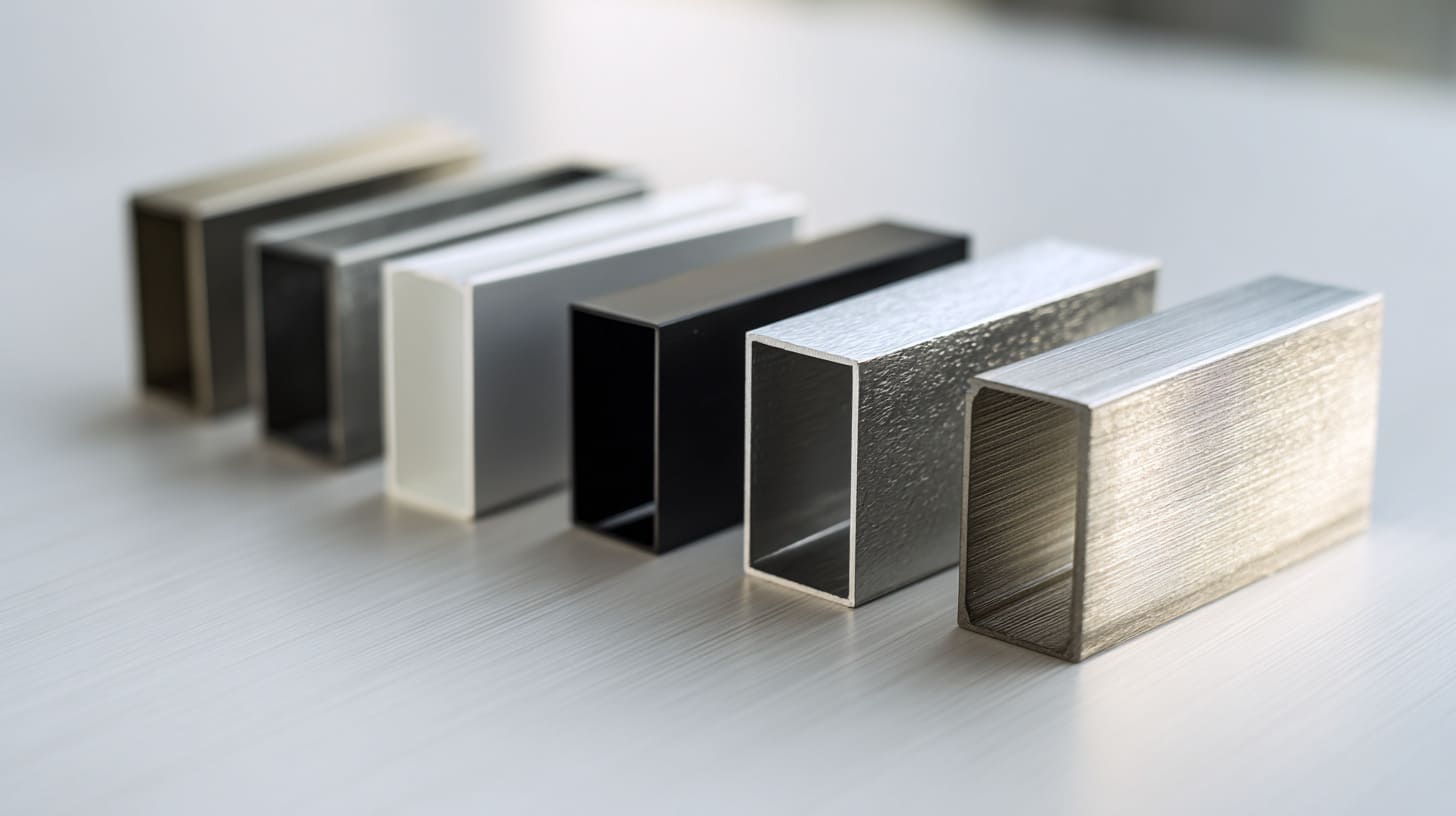
Choosing aluminum isn’t just about it looking shiny or premium. From what I’ve learned:
- Aluminum offers good heat dissipation, decent durability, and naturally better EMI / RFI shielding than many plastics.
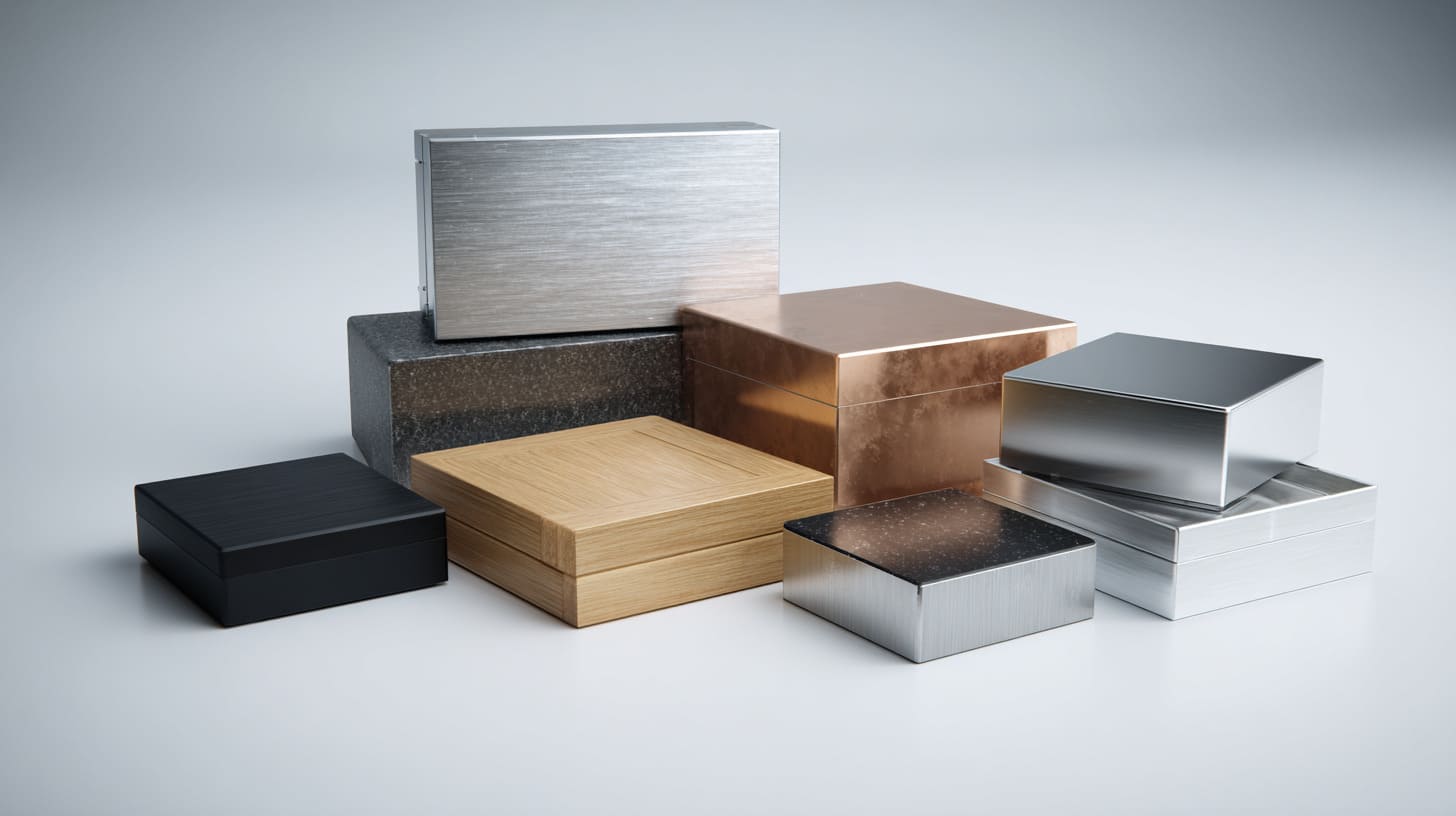
- Finishes matter: think anodising, powder coating, maybe chemical conversion coatings. These affect corrosion resistance, appearance, and long‑term durability.
I always ask: “What alloy? What finish? What tolerance?” Because settling for generic answers often leads to headaches later.
1.3 Environmental & Application Conditions
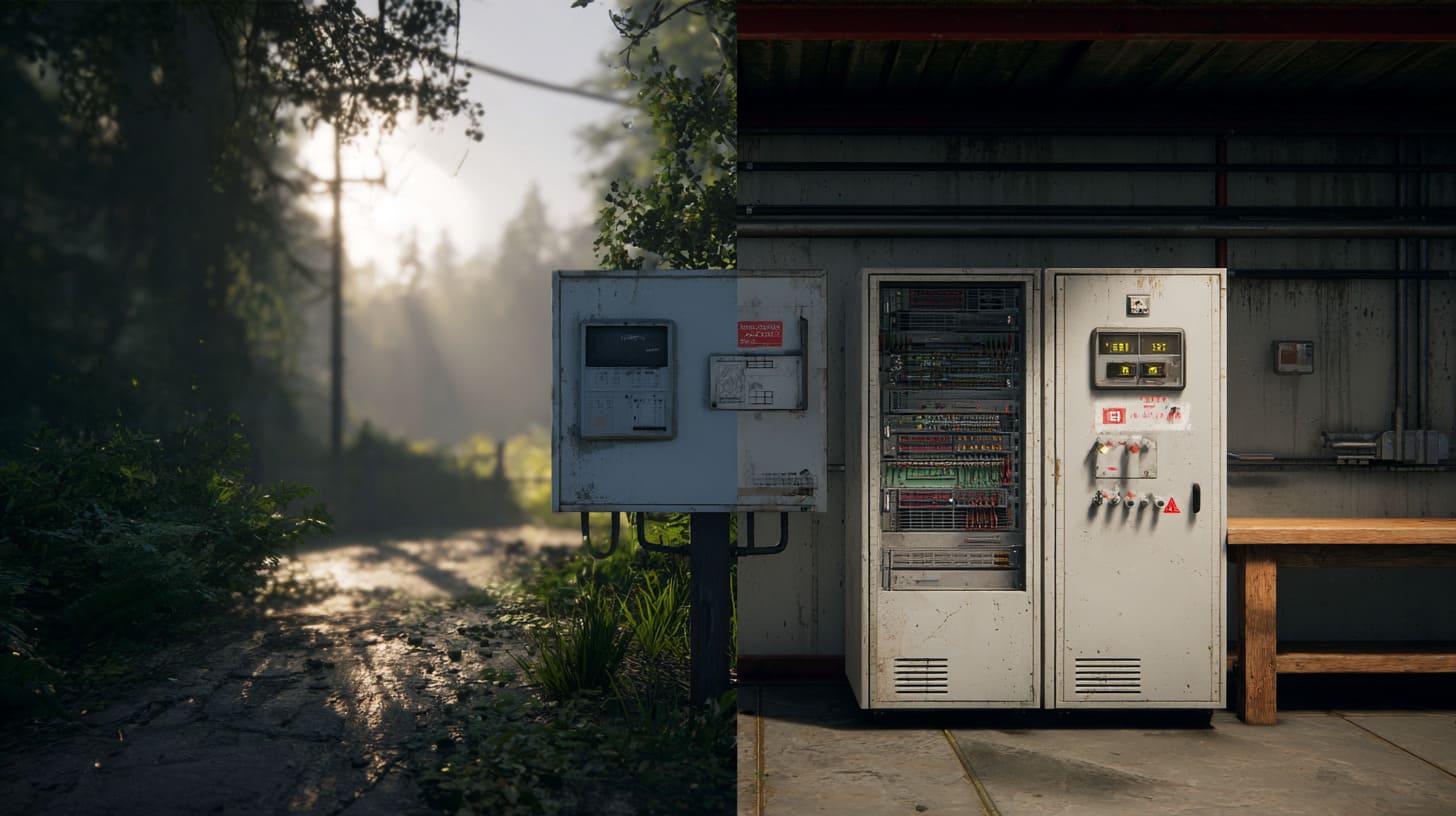
Now throw in the environment. It changes everything.
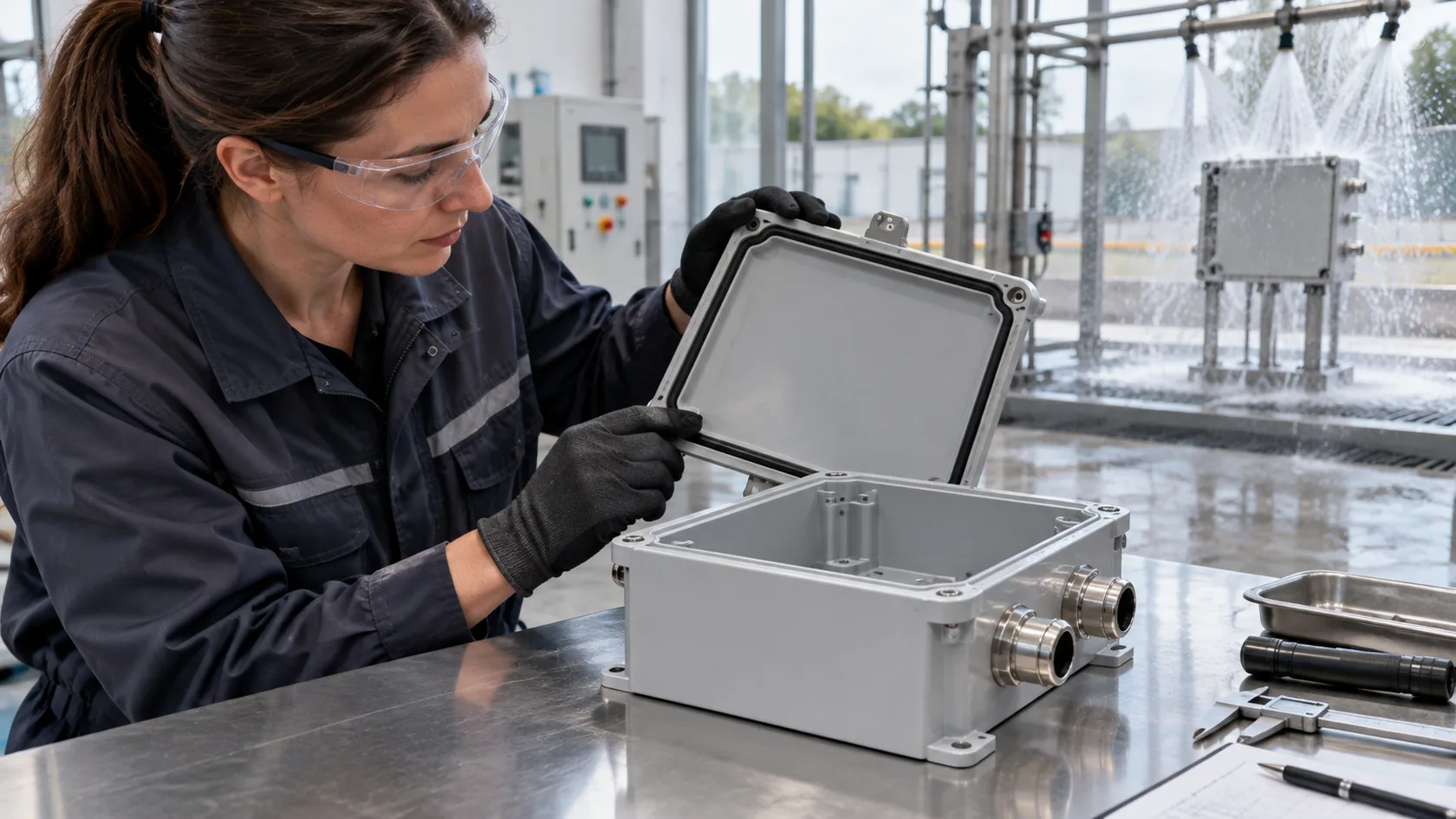
- Is the enclosure for indoor or outdoor use? Will it face moisture, chemicals, dust or vibration?
- Do you need thermal management, or EMI/EMC compliance? What about IP or NEMA ratings?
Here’s a simple table I often use:
| Condition | Why it matters | What to ask manufacturer |
|---|---|---|
| Outdoor / Harsh | Rain, dust, corrosion, thermal cycling | Can you meet IP/NEMA rating? What finish? |
| High‑heat electronics | Heat dissipation, possible hotspots | Do you design for fins, vents, or cast aluminum? |
| Sensitive electronics | EMI/RFI or precise tolerances | What shielding or grounding strategy? |
When you take this step seriously, you avoid picking a “nice looking box” that fails in the field.
1.4 Volume, Lead Time & Budget Constraints
Finally, the practical stuff.
- Are we doing a prototype run, or mass production?
- What are the lead times, the minimum order quantity (MOQ), and tooling costs?
- What’s the budget trade‑off between going with the lowest cost supplier vs. picking a partner who delivers on time and quality?
In my experience, going for the lowest cost without checking capacity and lead time is a false economy.
Now that we’ve laid out what you need from the project, let’s flip the lens and look at the manufacturer side of the equation.
2. Evaluate Manufacturer Capabilities
2.1 Manufacturing Processes & Equipment
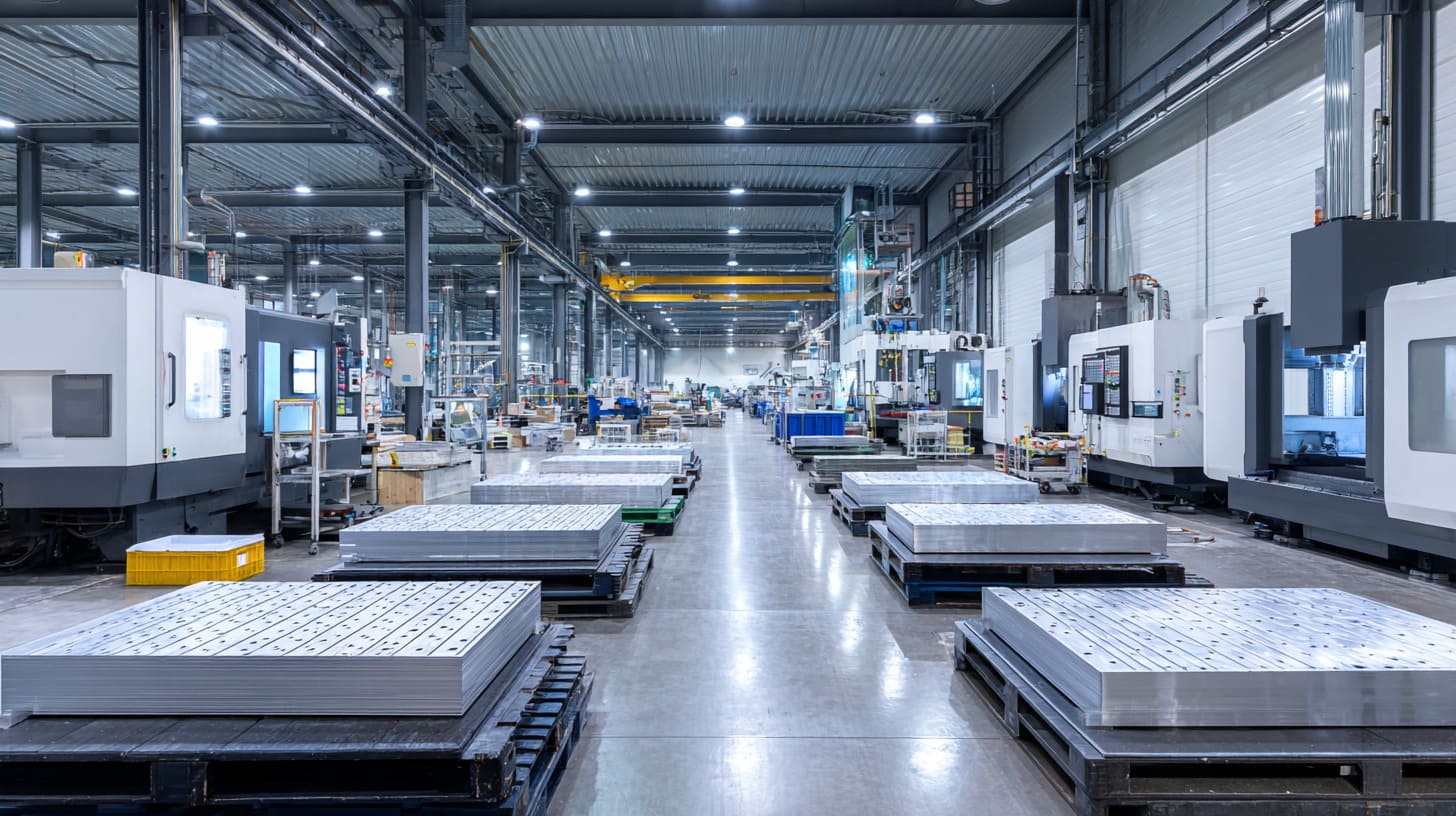
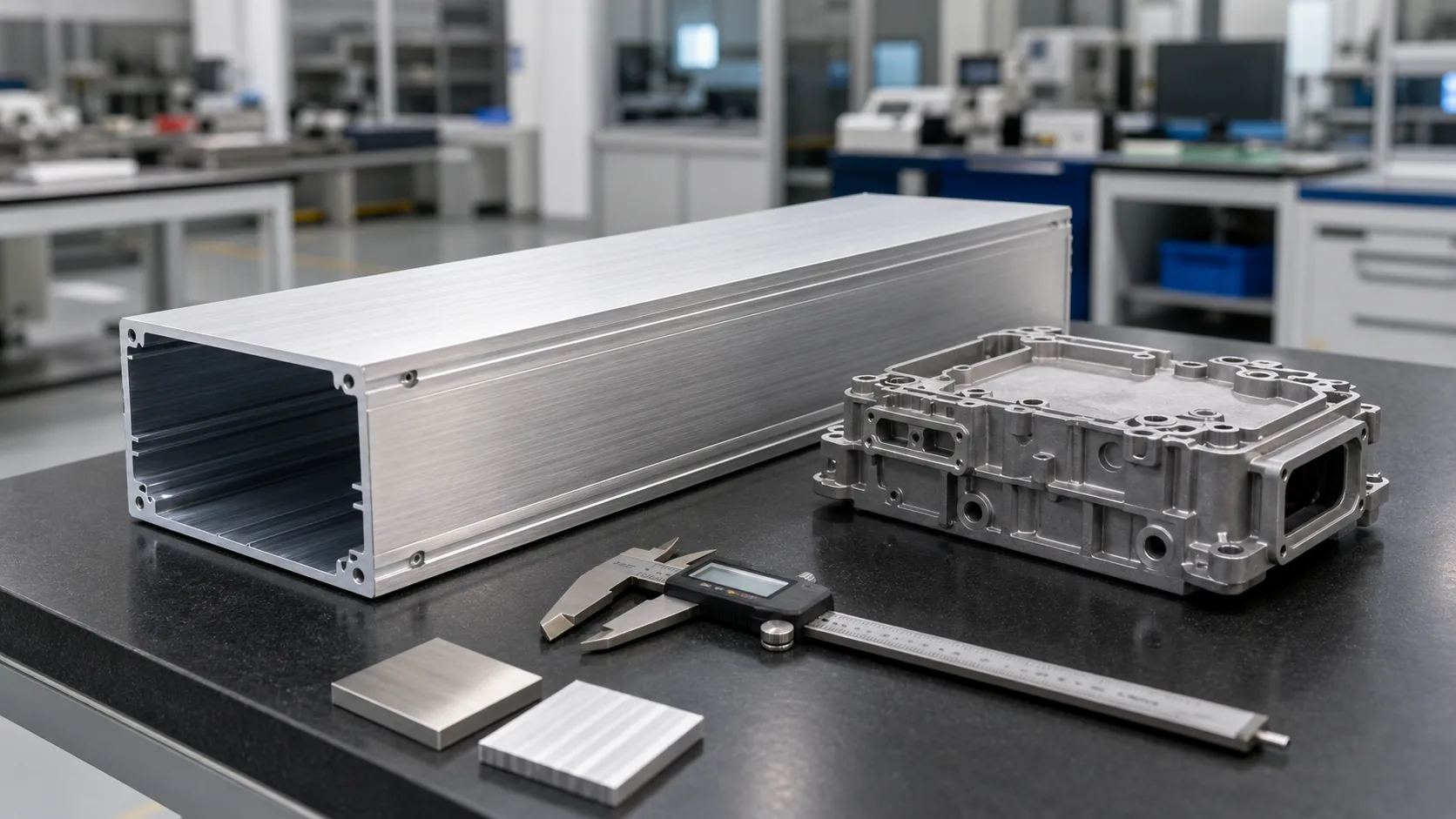
I learned early on that different manufacturing processes give very different outcomes. For aluminum enclosures you might see:
- Extrusion – great for long profiles, heat‑dissipating fins.
- Die‑casting – good for complex shapes and high volume.
- Sheet‑metal / CNC machining – flexible, good for custom designs or smaller runs.
I always check: does this supplier have real production lines (I have 3 production lines myself), what’s their capacity, what’s their equipment age? If they say “we outsource everything”, it’s a flag.
2.2 Experience & Specialisation
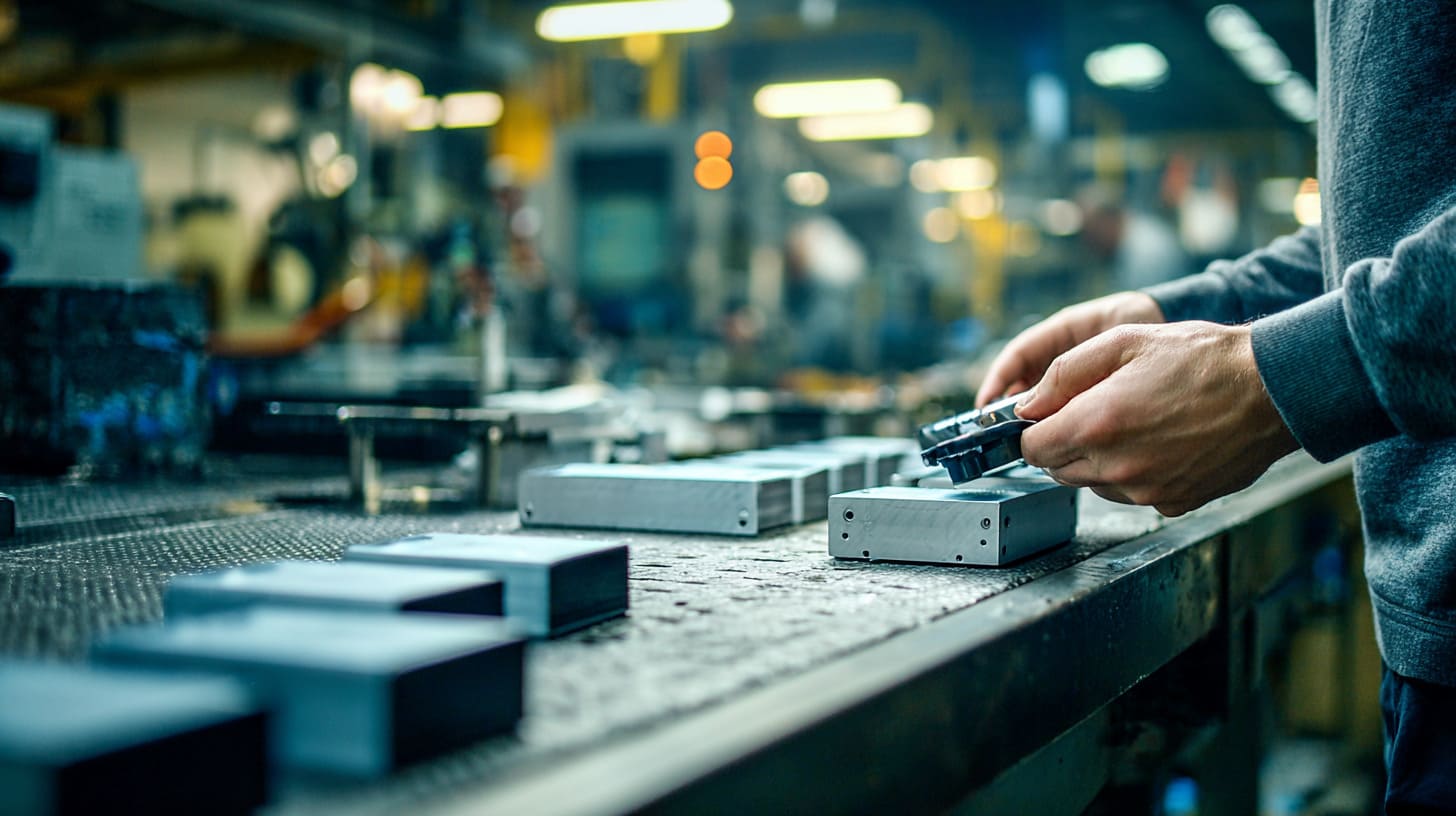
Just like you wouldn’t want a generalist surgeon doing brain surgery, you don’t want a general metal box maker doing precision custom enclosures.
- Does the manufacturer have experience working in your industry (electronics, industrial control, IoT)?
- Do they have case studies, previous custom work, export experience? These matter. The more similar the past work is to your project, the less risk.
2.3 Quality Control & Certifications
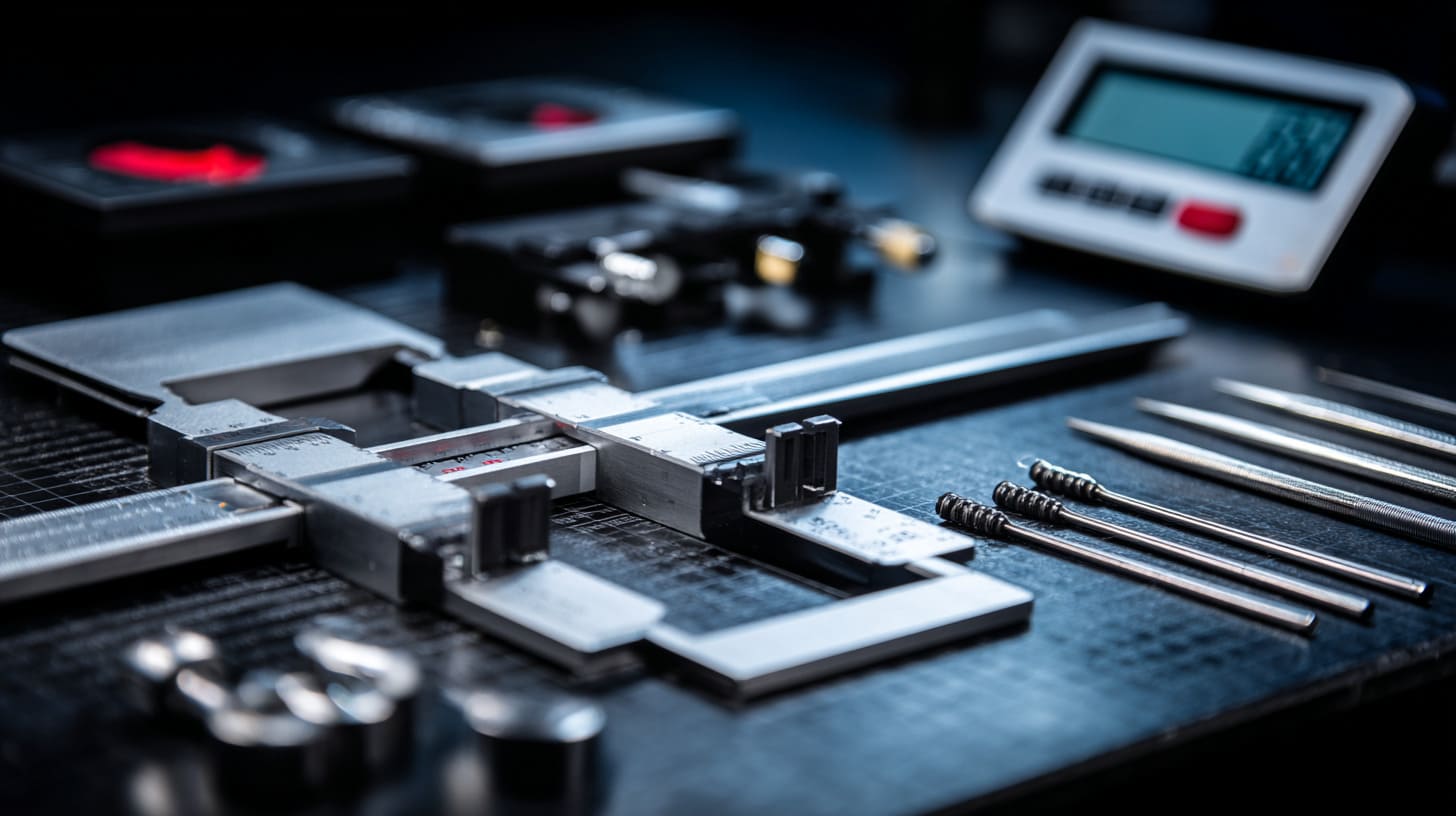
This is where things get serious.
- What standards do they follow? ISO, NEMA, UL, etc.
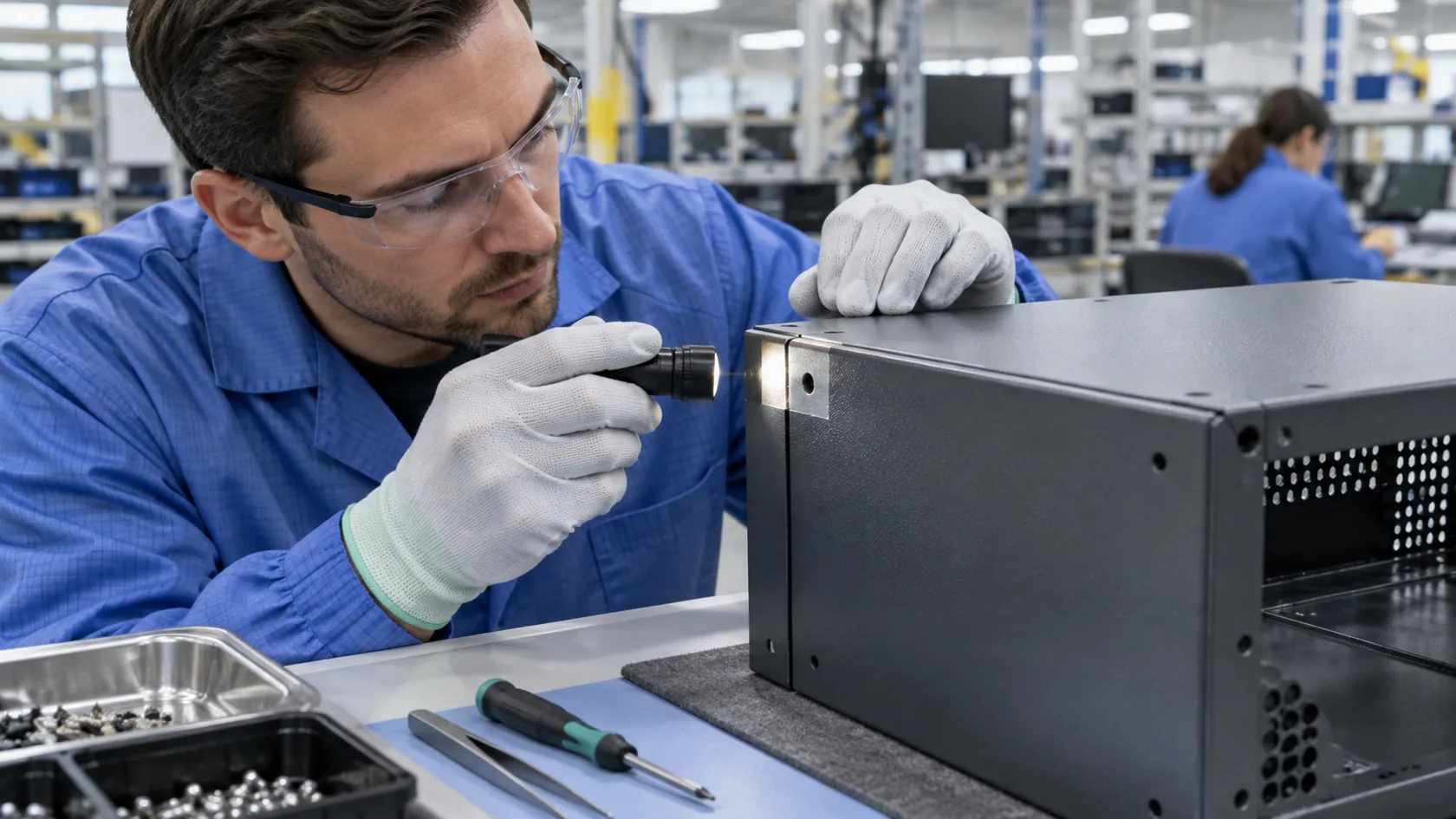
- How strict is their inspection? Tolerance control, durability testing, sample checks?
If the manufacturer gives vague answers like “we check dimensions”, I dig deeper. In my factory we keep records of dimensional checks, finishing checks, sample approvals.
2.4 Customisation Services & Branding Support
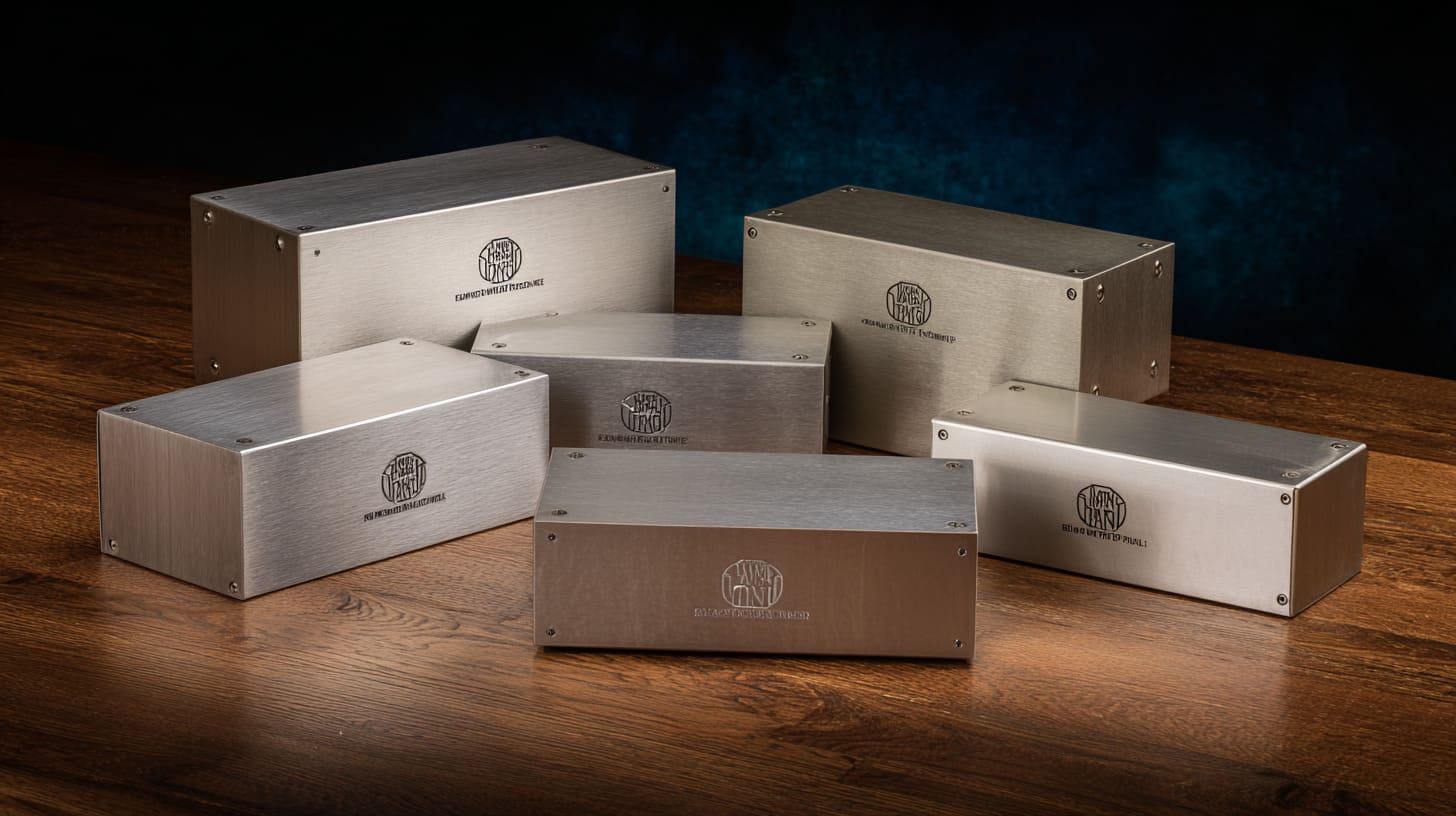
One of your big value‑adds is branding and customisation. Selecting a manufacturer who supports that matters.
- Can they engrave or print logos? Do they support custom packaging?
- Do they support OEM/ODM — meaning you bring design, they manufacture, or they suggest redesign.
As your partner, I (Vincent Li at MaidaTech) emphasise this: your brand matters. And the manufacturer must support that as easily as they support the box.
2.5 Communication, Project Management & Delivery
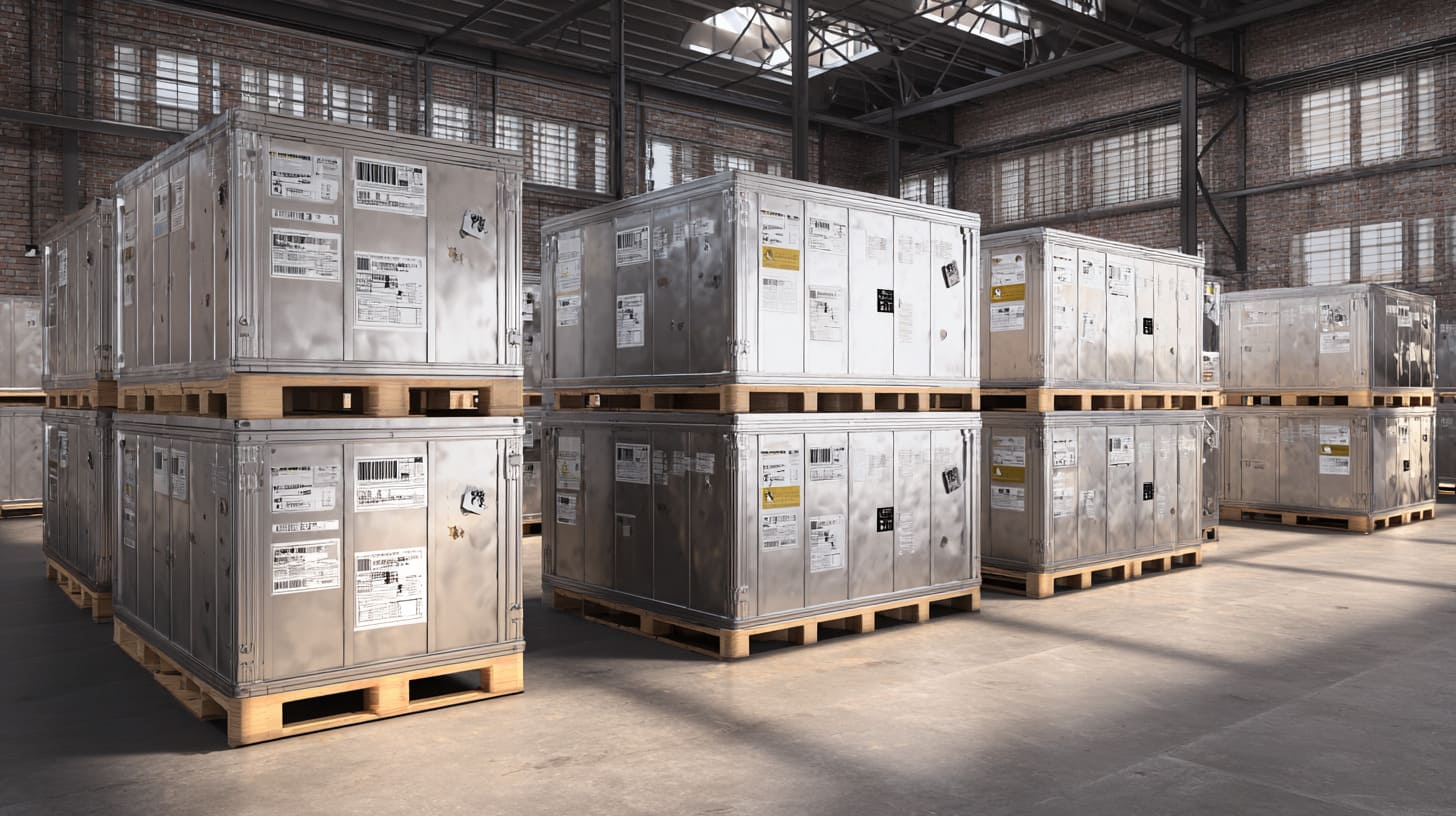
You’ve likely been in this scenario: Supplier delays, communication gap, timezone issues.
- How responsive is the team? Do they speak your language, align with your time zone?
- How reliable is their delivery record? Logistics, export readiness, previous delays?
Your biggest risk often isn’t the metal or finish—it’s project drag and missed deadlines.
Alright, so you’ve evaluated capabilities. Next: Cost, value and the deal.
3. Assess Costs, Pricing & Value
3.1 Factory Direct Price Advantage
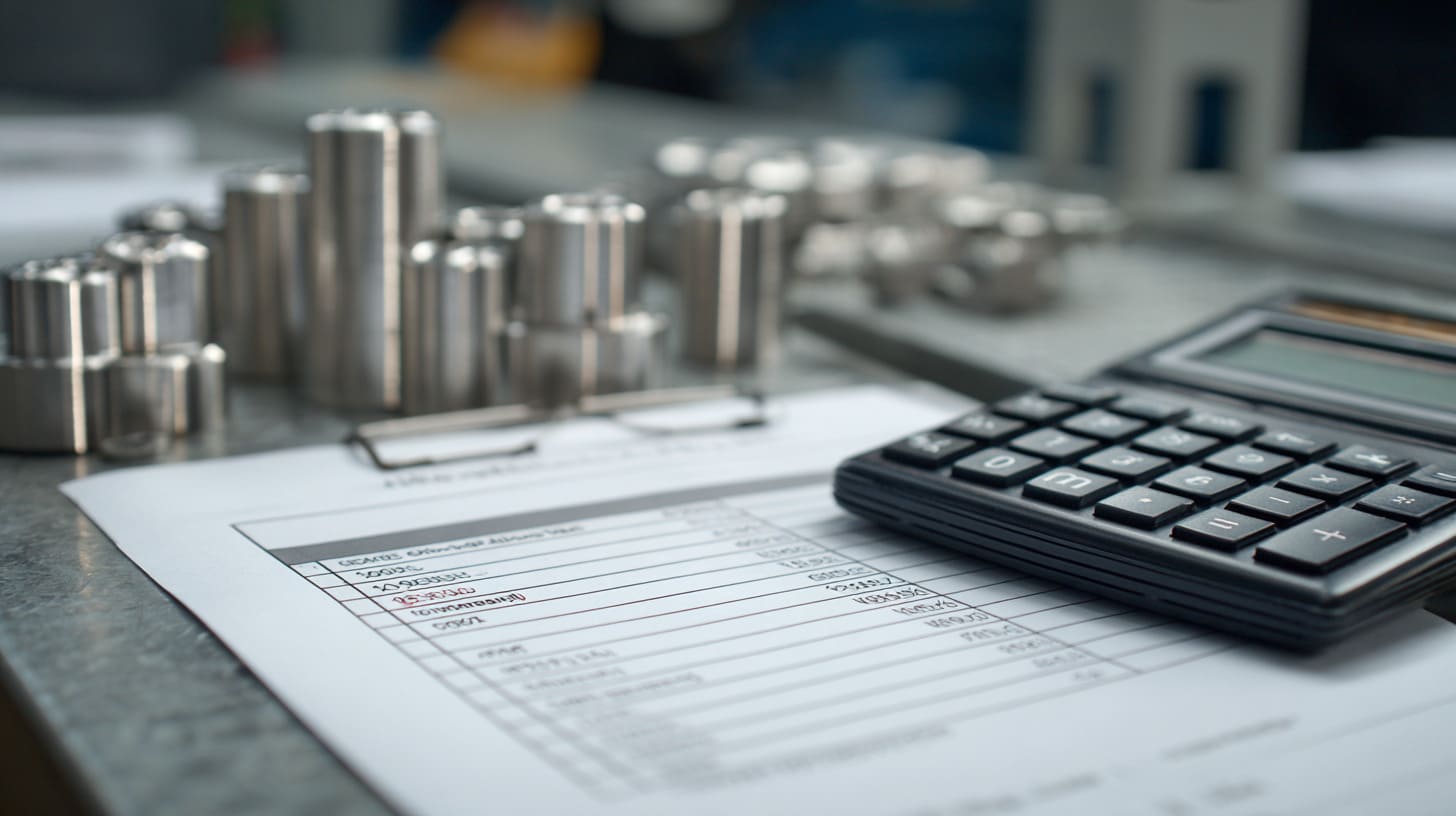
Here’s where your edge can show. I know from being a factory with direct pricing: you can get ~10% less cost compared to intermediaries. But it isn’t automatic—there are things to check:
- Tooling cost: is it included or extra?
- Customisation surcharges: how many cut‑outs, how much branding?
- Hidden fees: packaging, quality inspection, export documentation?
Don’t just compare “unit price” – drill down into what is and isn’t included.
3.2 Total Cost of Ownership
Low unit cost doesn’t always mean low cost.
- A cheap box that cracks, or mismatch with design, causes rework or scrap.
- Delays cost money too. Rush freight, lost time, unhappy customers.
I always tell engineers: look at total cost: unit + rework risk + lead‑time + service support.
3.3 MOQ, Scaling & Flexibility
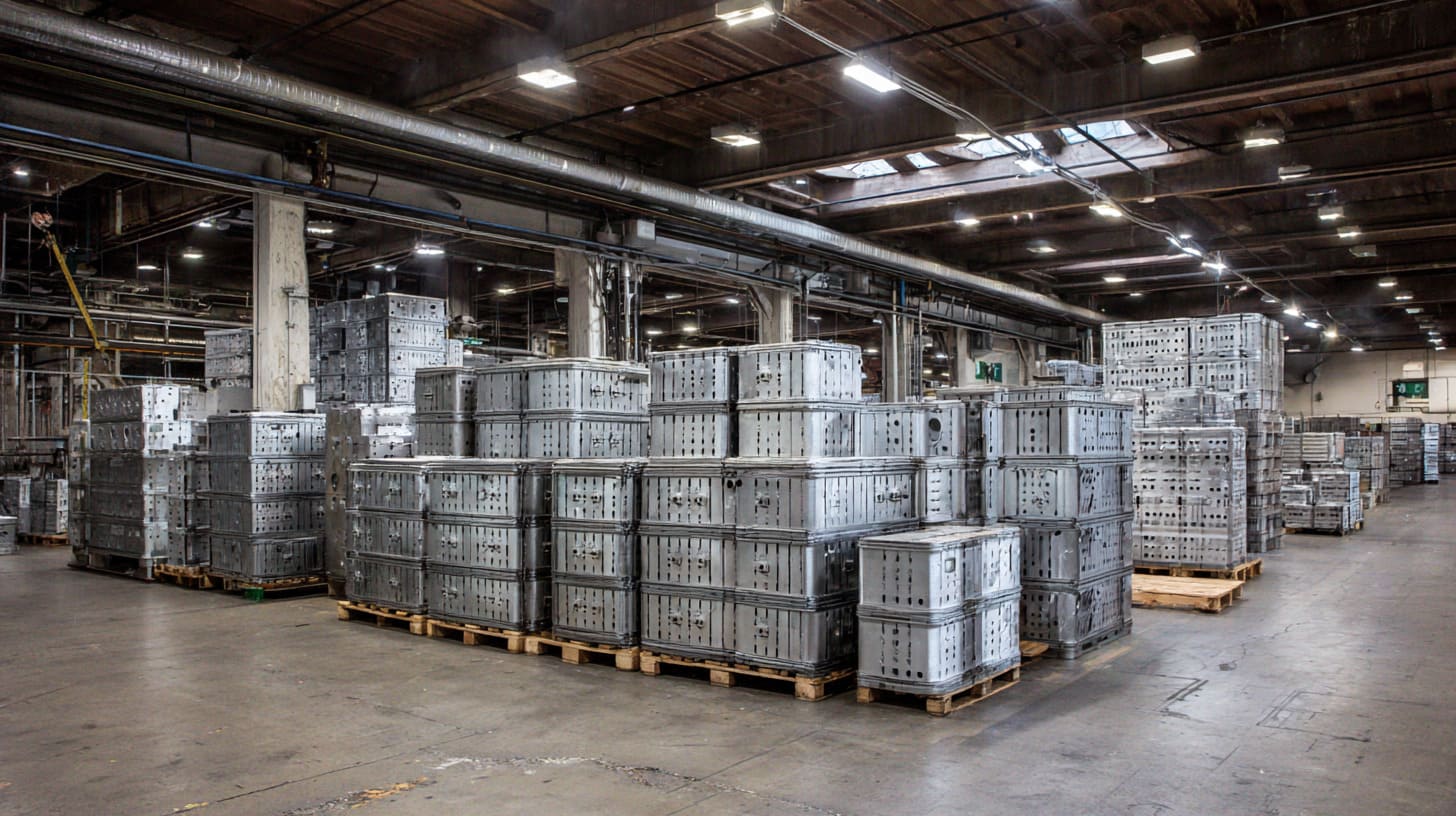
Your project may start small but grow fast. Key questions:
- What is the minimum order quantity (MOQ)?
- Can the manufacturer scale from small pilot run to large volume?
- Are they flexible for redesigns or iterations?
If your partner is rigid, you’ll hit a wall when you grow.
3.4 Payment Terms & Contractual Safeguards
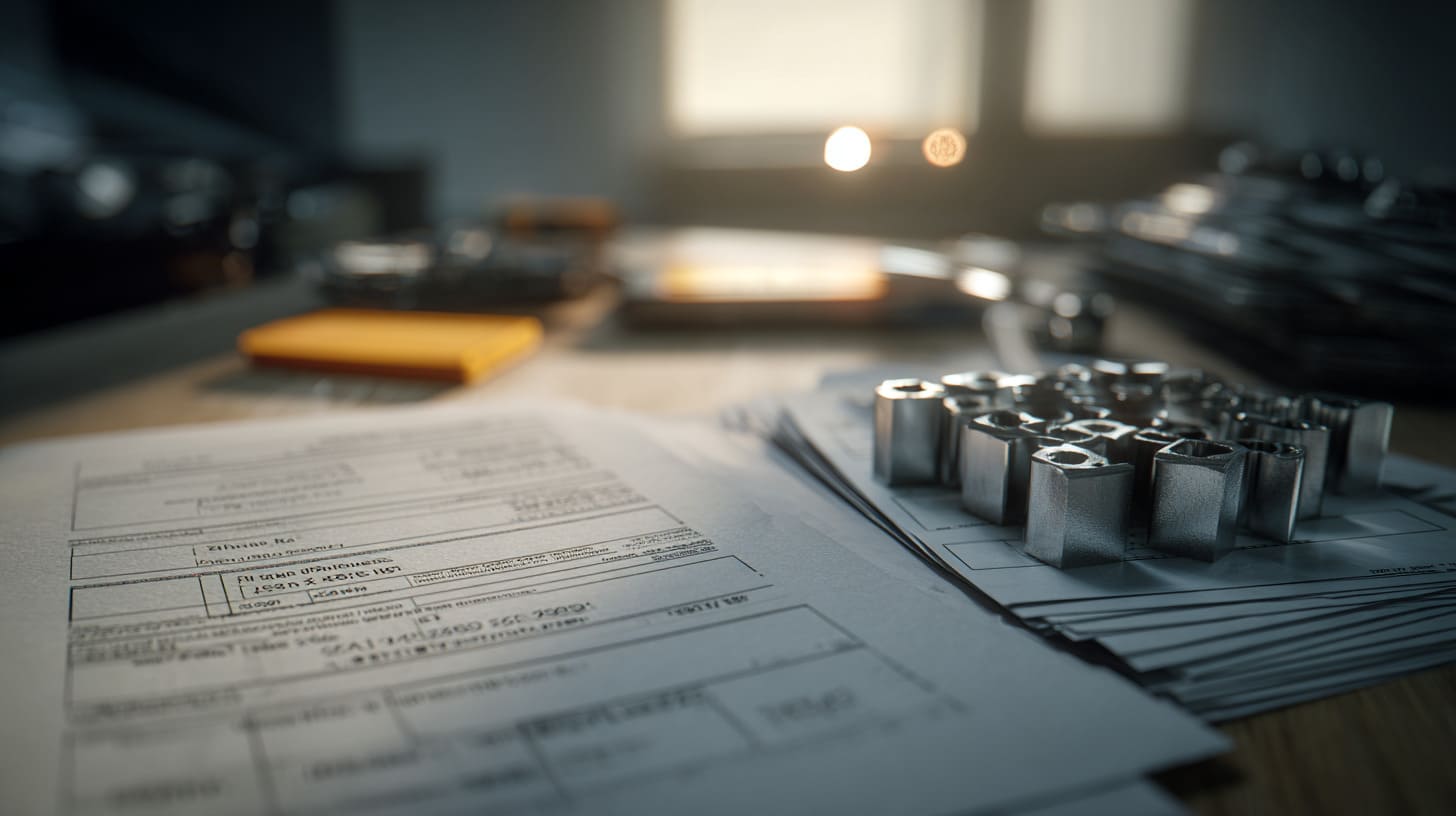
Finally, don’t overlook the contractual side.
- Payment milestones: sample approval, tooling approval, production start, shipping.
- Warranty/support: what happens if defects show later?
- What are the terms for delays or quality issues?
A partnership without clear safeguards is a potential minefield.
We’ve covered what you need and how to assess the manufacturer. Time to see and verify.
4. Visit, Audit or Verify the Manufacturer
4.1 Factory Visit or Virtual Tour

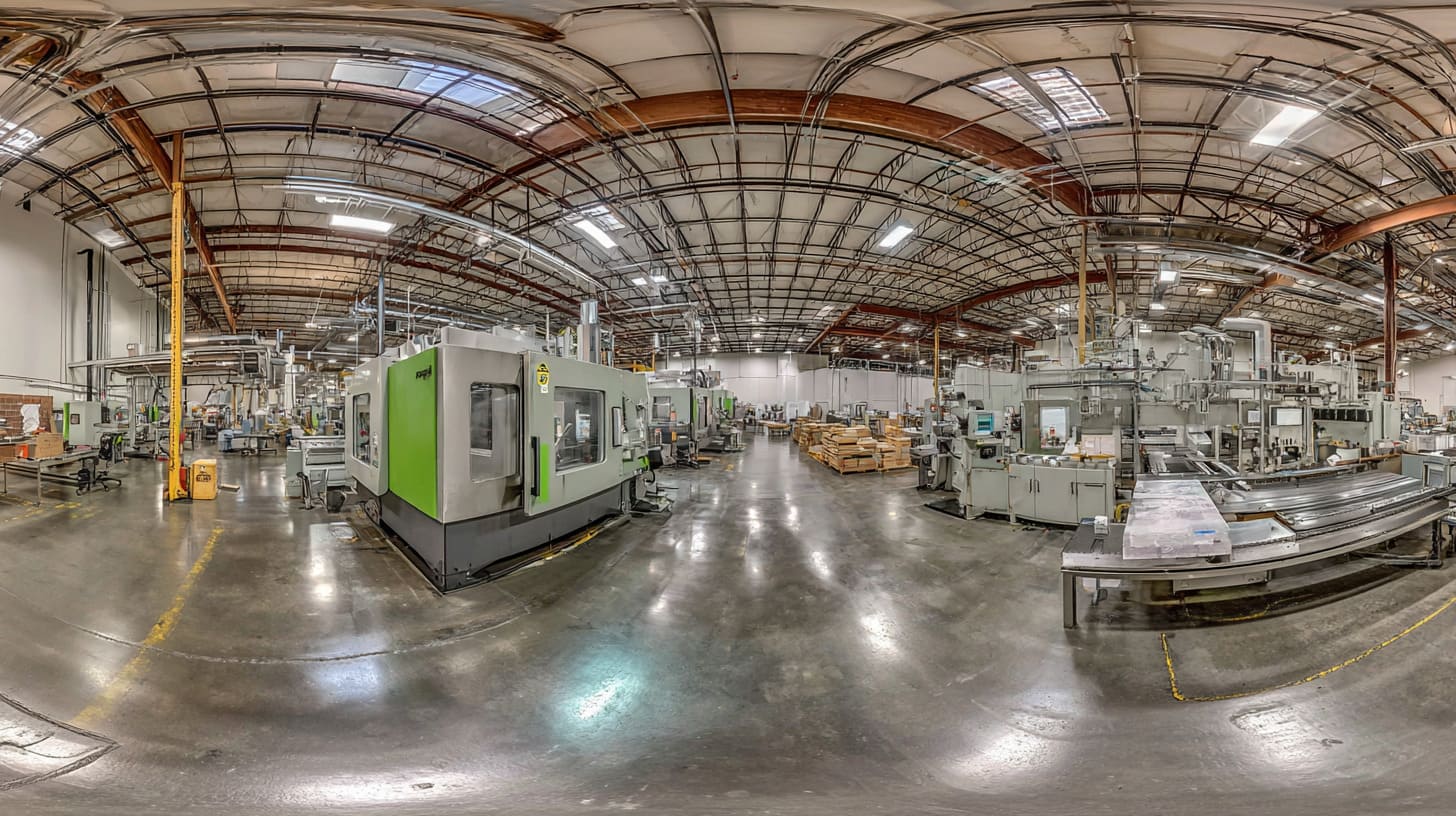
Whenever feasible, I visit. Even a virtual tour helps.
- Inspect production lines, equipment, stock, process flows.
- At my factory (9 years strong) we always show the three production lines and explain how we manage custom jobs.
Seeing the place gives insight you can’t get from slides alone.
4.2 Review Sample & Prototype Work
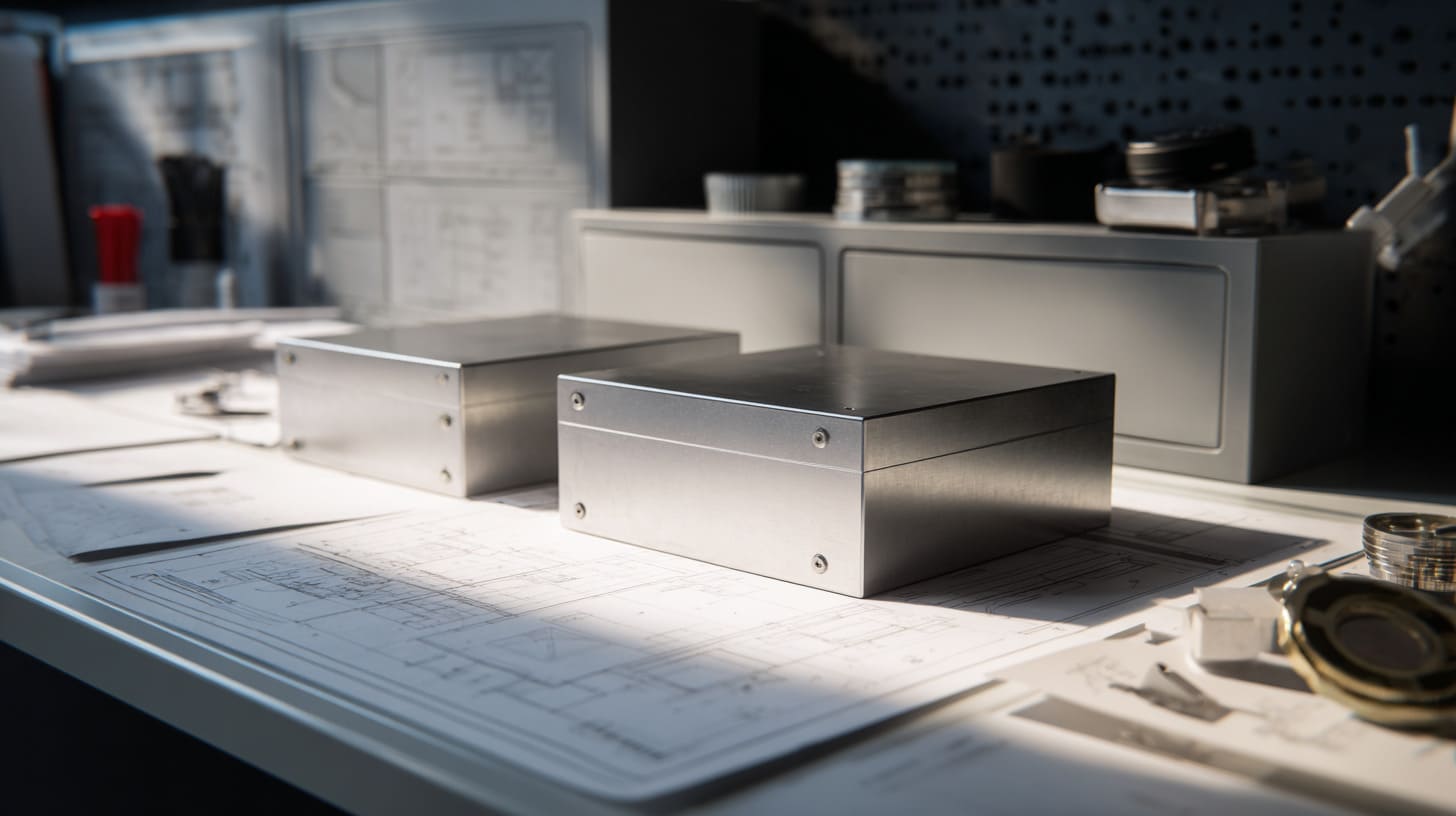
Before full production, request custom samples. Look at:
- Fit, finish, tolerances, logo branding quality.
- Does it match your design intent?
When a sample isn’t available, that’s a risk. A manufacturer who hesitates might not deliver.
4.3 Check References & Past Clients

Ask for references. Previous export markets matter especially if you’re shipping to North America, Europe, Japan or Korea.
- What similar projects they’ve done?
- What issues came up and how they resolved?
Past performance is a strong indicator of future partnership.
4.4 Shipping & Logistics Readiness
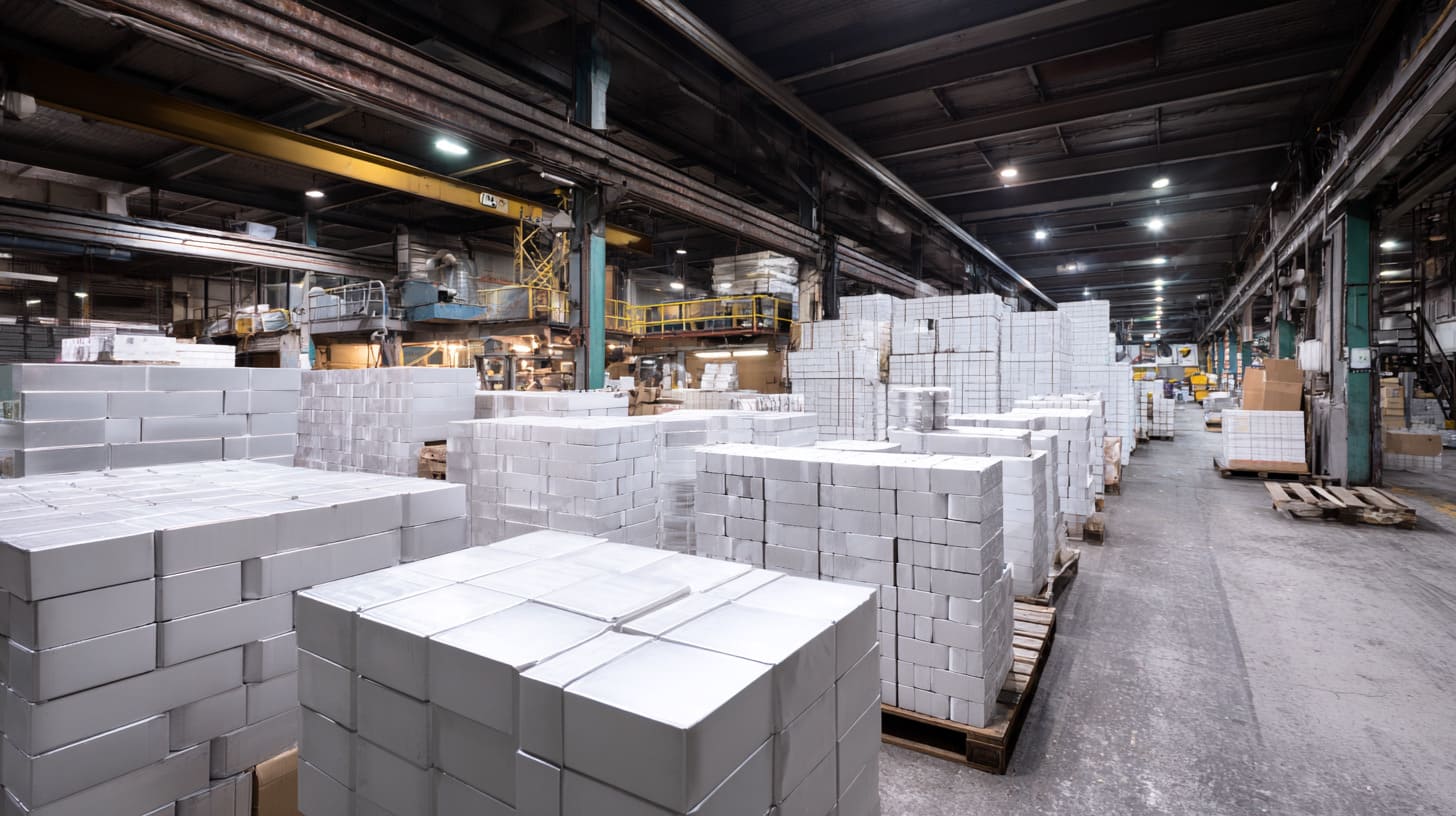
Even the best enclosure is worthless if it arrives late or damaged. So:
- Check export packaging, lead times to your market.
- Ask how they handle international logistics, customs, documentation.
A supplier accustomed to exports (like MaidaTech) will make this smooth.
If you find a supplier that meets all the above, you’re not done—think long‑term.
5. Build a Long‑Term Partnership
5.1 Aligning Goals & Communication
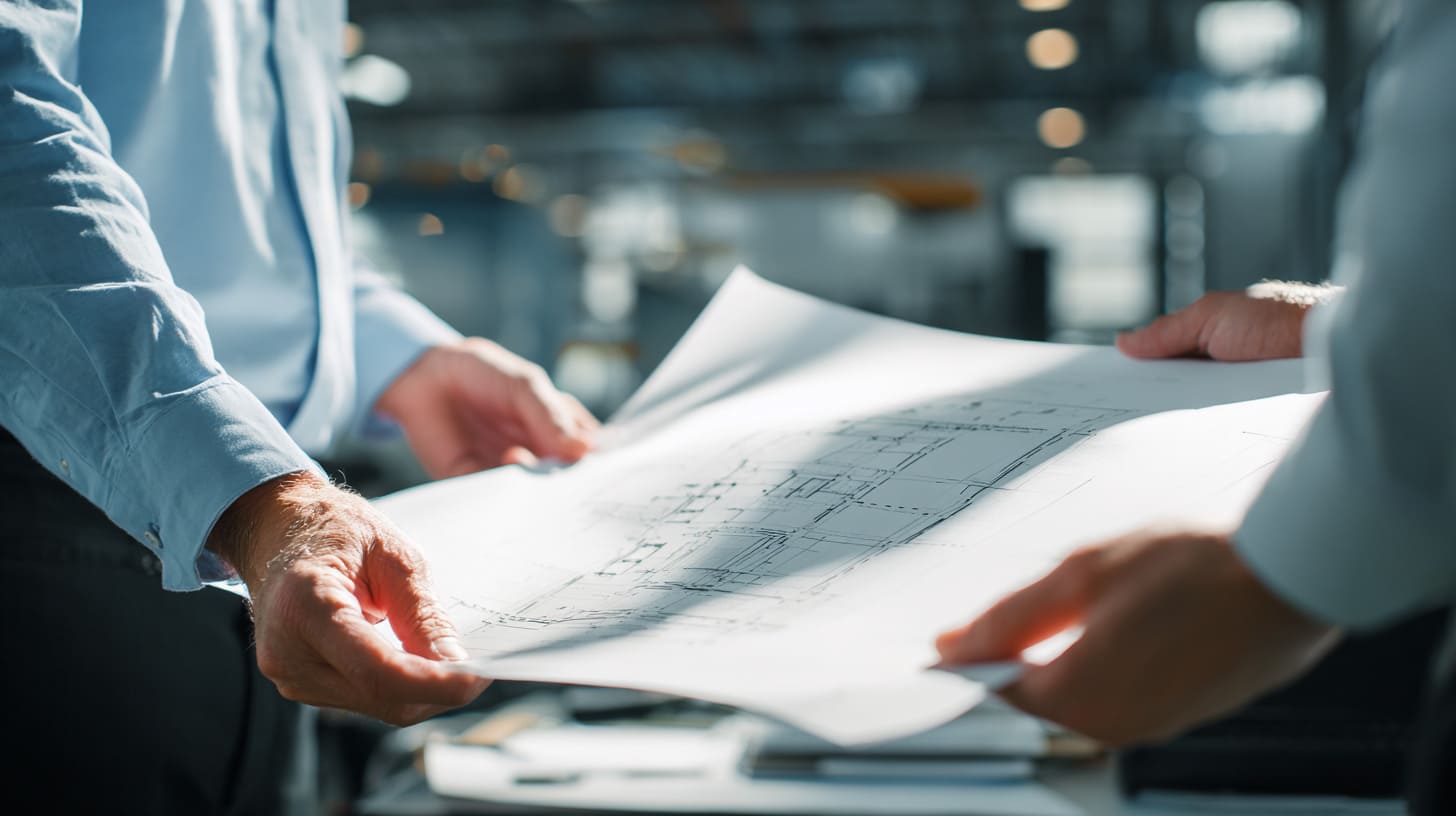
A good supplier is more than a vendor—they become a partner. So:
- Define project scope, responsibilities, and milestones up front.
- Have a dedicated point of contact. Plan for time‑zone/language differences.
When both sides are aligned, things go smoothly.
5.2 Continuous Improvement & Re‑Design Support

Your product will evolve. Your enclosure may need tweaks, redesigns, value engineering.
- Does the manufacturer support redesigns?
- Can they suggest cost savings or improved manufacturability?
At MaidaTech we emphasise re‑design option to help clients reduce cost and improve function.
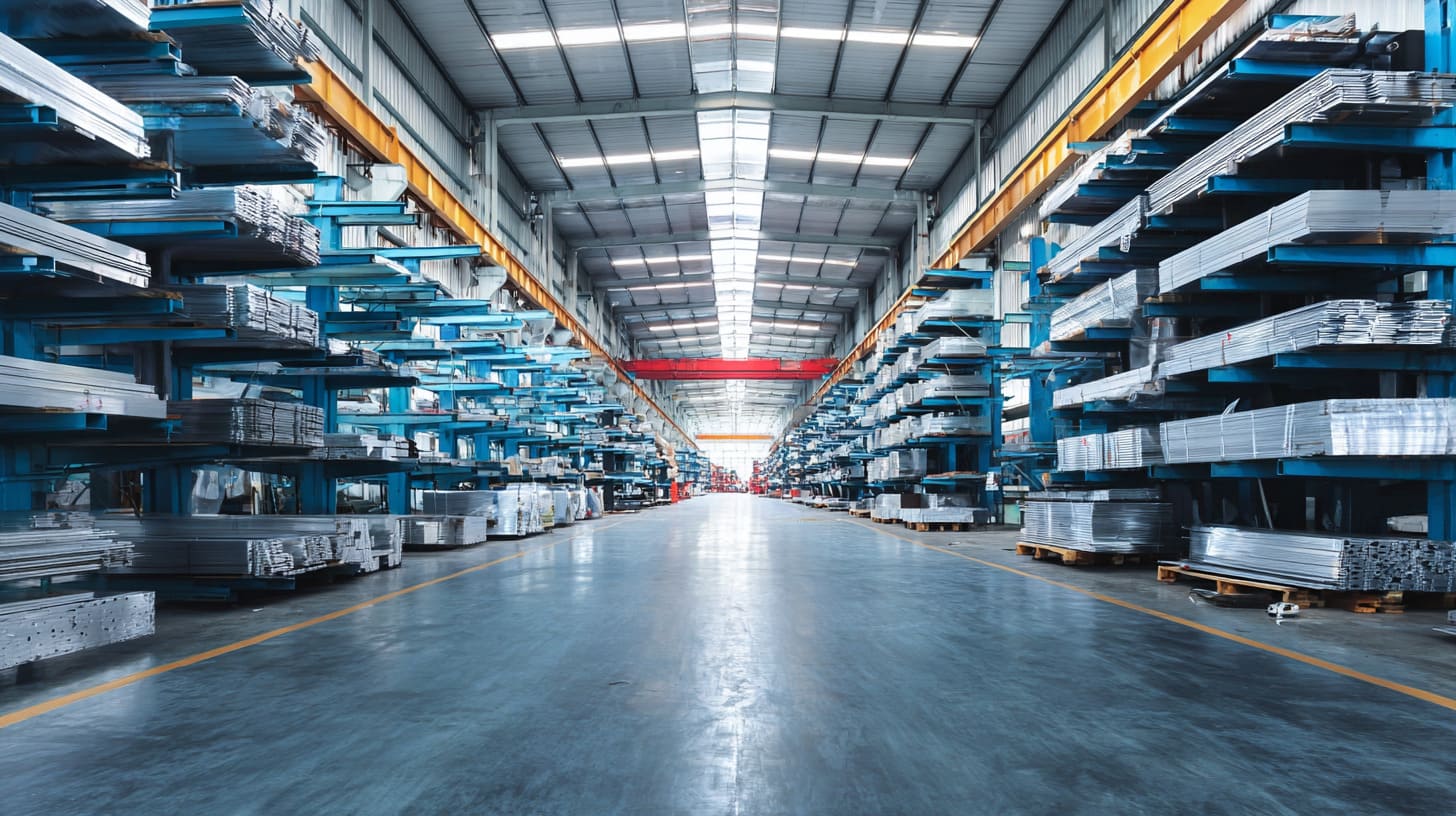
5.3 Stock & Backup Capacity
For repeat orders, consistency is key.
- Does the manufacturer maintain stock or raw‑material reserves?
- Can they scale quickly if your demand spikes?
Having “large wholesale stock available” is a competitive edge. It means fewer delays.
5.4 Trust, Transparency & Mutual Growth
At the end of the day, trust wins.
- Transparent pricing.
- Shared quality reports.
- Clear delivery tracking.
When you trust your supplier, you focus on your product, not panic about the box it comes in. And you both grow together.
Conclusion
Choosing the right aluminum enclosure manufacturer isn’t just about boxes. It’s about protecting your product, your brand, your timeline—and ultimately your reputation.
Here’s your quick checklist: define your requirements → evaluate manufacturer capabilities → assess cost/value → verify in person or virtually → build a strong long‑term partnership.
If you take each step seriously, you’ll avoid costly mistakes and build something great together.
If you’re ready to move forward, feel free to download an RFQ checklist, reach out to us at MaidaTech, or evaluate your current supplier with this framework.
Your next custom aluminum enclosure should be one less worry, not one more risk.