The costly enclosure decision often happens before a supplier sees the drawing. A project team writes “NEMA 6P preferred” because it sounds safer than NEMA 4X, or changes an outdoor request from NEMA 3 to 4X without describing the water, cleaning, corrosion, or flood condition. The quote then grows around an assumption instead of a real hazard.
NEMA 3, 4X, and 6P are not steps on one protection ladder. NEMA Type 3 is an outdoor-weather direction that includes windblown dust, rain, sleet, and external ice formation. Type 4X adds hose-directed water and corrosion resistance. Type 6P addresses hose-directed water and prolonged submersion at a limited depth. The UL enclosure-type table is a useful first reference, but a finished product still needs to match its stated installation and interfaces.
From a factory point of view, the cheapest enclosure is not always the low-cost shell. It is the design that avoids a late gasket change, a field leak through an unplanned connector, a corrosion repair, or a rebuild after the first validation sample. That cost picture starts by refusing to treat the rating number as a buying shortcut.
The next question is why the numbers look comparable even though the design work behind them is not.
A Rating Number Is Not a Cost Ladder
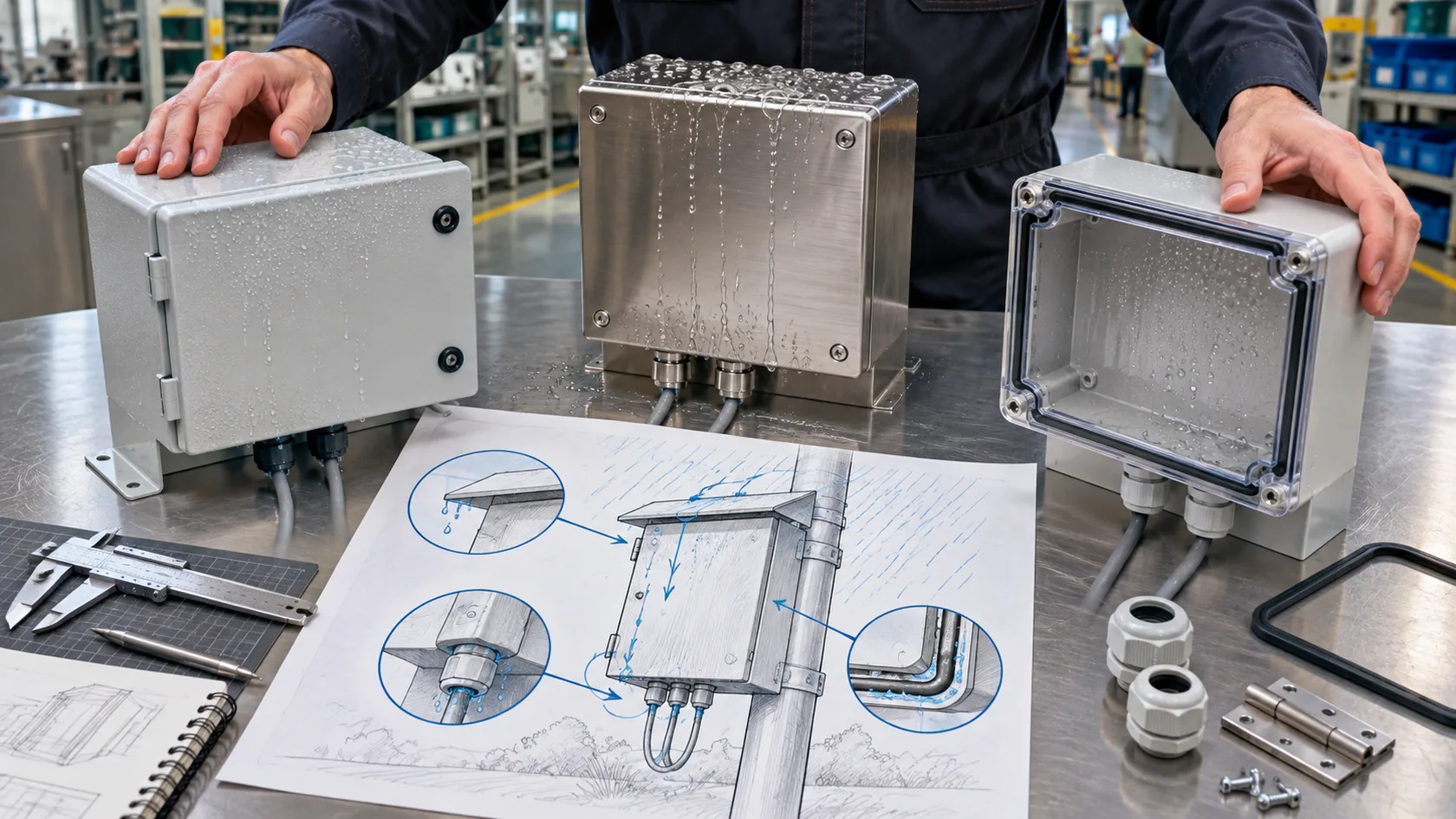
NEMA 250 describes different environmental conditions; it does not arrange every Type as a simple “more is better” ranking. The scope of NEMA 250 places Types 3, 4X, and 6P among non-hazardous indoor/outdoor enclosure types, while the application differences remain important.
Start with the exposure that actually exists
| Type | Primary question it helps answer | What it does not settle on its own |
|---|---|---|
| NEMA 3 | Will normal outdoor weather and windblown dust reach the installation? | Hose cleaning, chemical compatibility, submersion, internal condensation, or the cable system |
| NEMA 4X | Is hose-directed water present, and does corrosion resistance matter? | The exact cleaner, salt or chemical exposure, heat path, or every field-installed fitting |
| NEMA 6P | Is there a defined prolonged-submersion condition at a limited depth? | Actual depth, duration, liquid, pressure changes, cable interfaces, and recovery procedure |
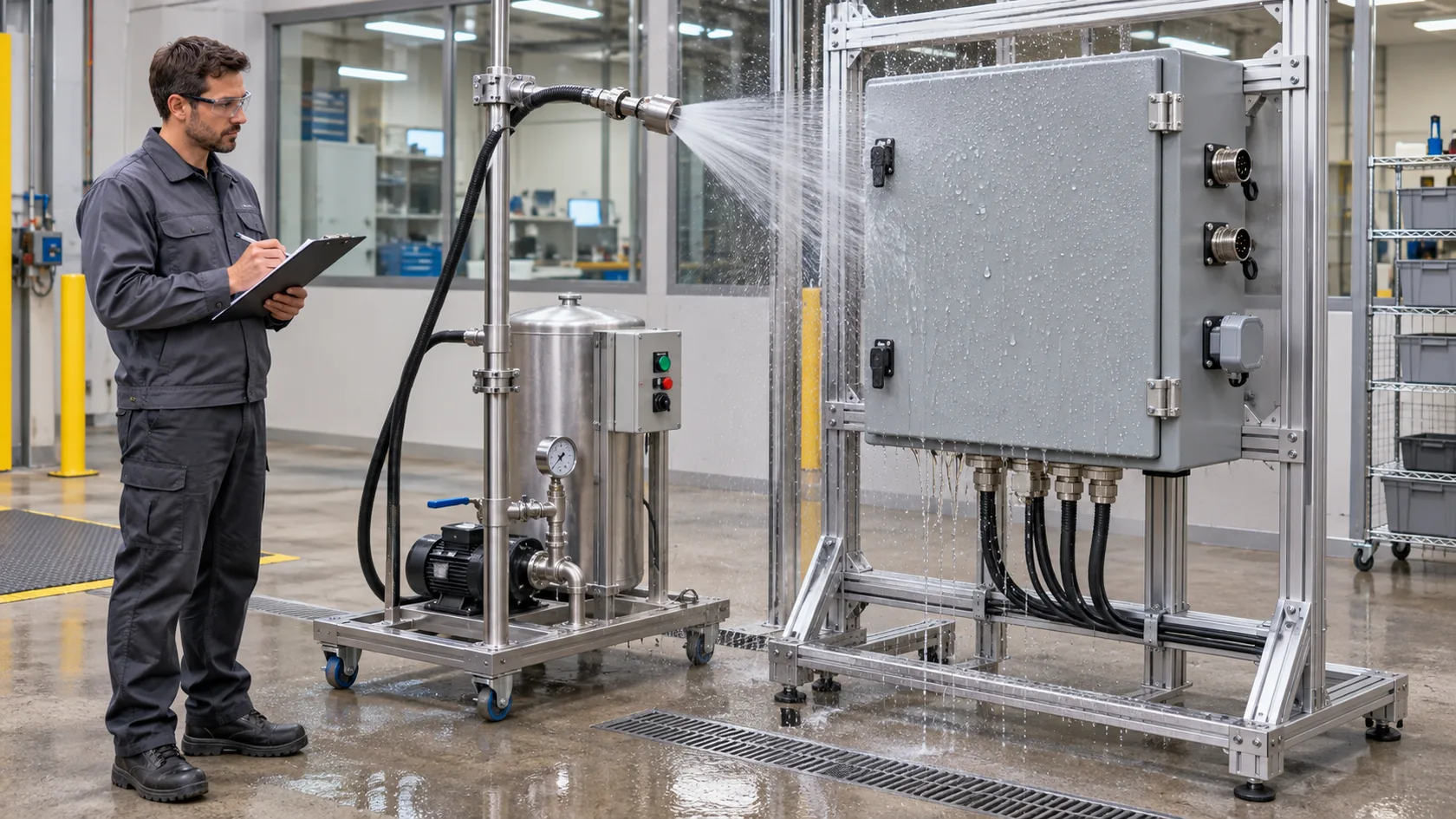
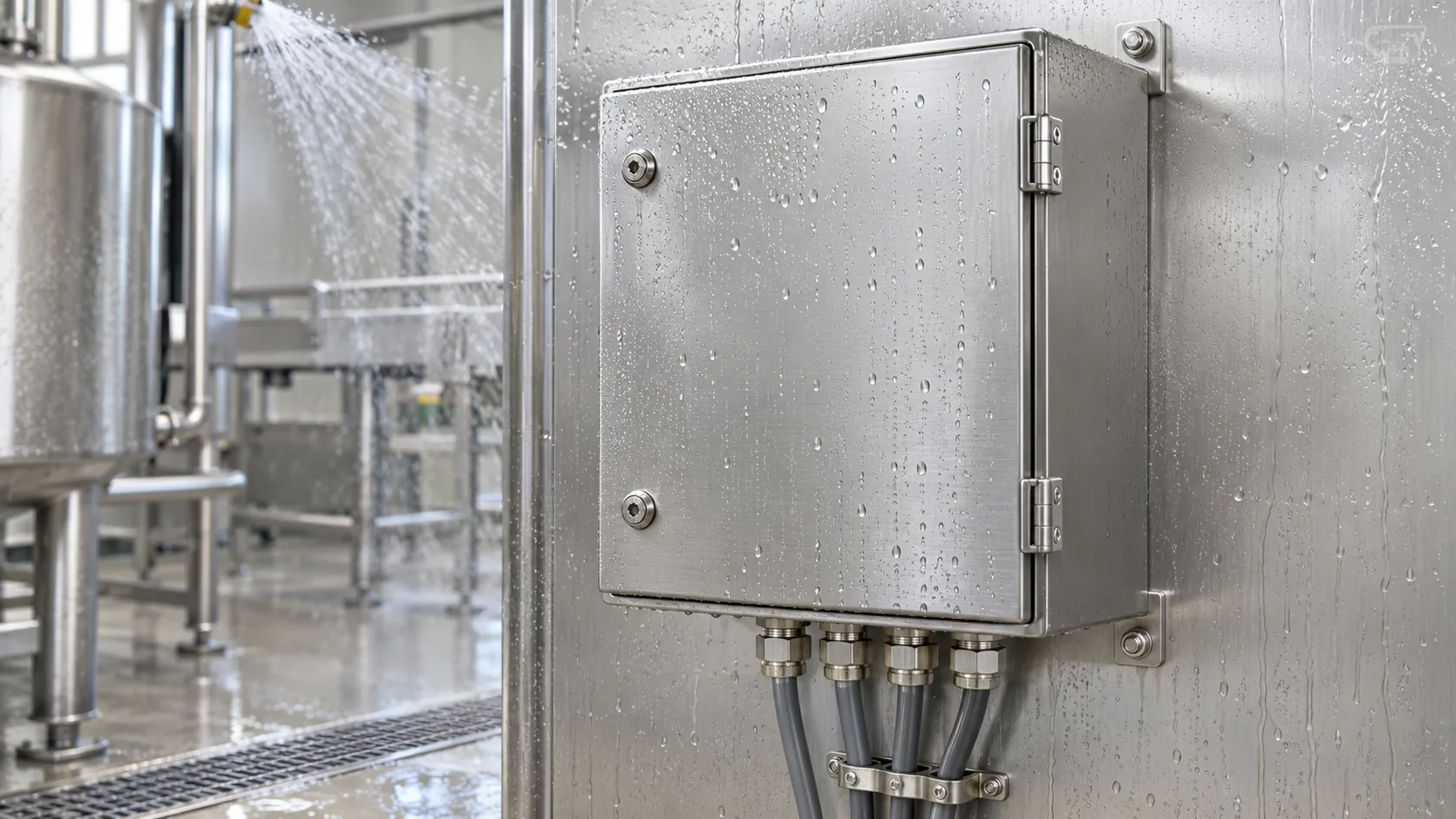
A roof-mounted control box may genuinely need Type 3-style outdoor protection yet never see a hose. A food-area panel may need a Type 4X material and sealing system because of repeated cleaning. A level-control assembly beside a flood-prone channel may need a specifically defined Type 6P condition. These are different jobs, not three versions of the same job.
I do not ask a buyer to pay for a higher-looking number until we can name the exposure that makes it necessary. That small pause is usually less expensive than explaining later why a rating upgrade did not solve corrosion, cable entry, or heat.
Once the environment is defined, the real cost drivers become visible.
Where the Extra Cost Actually Comes From
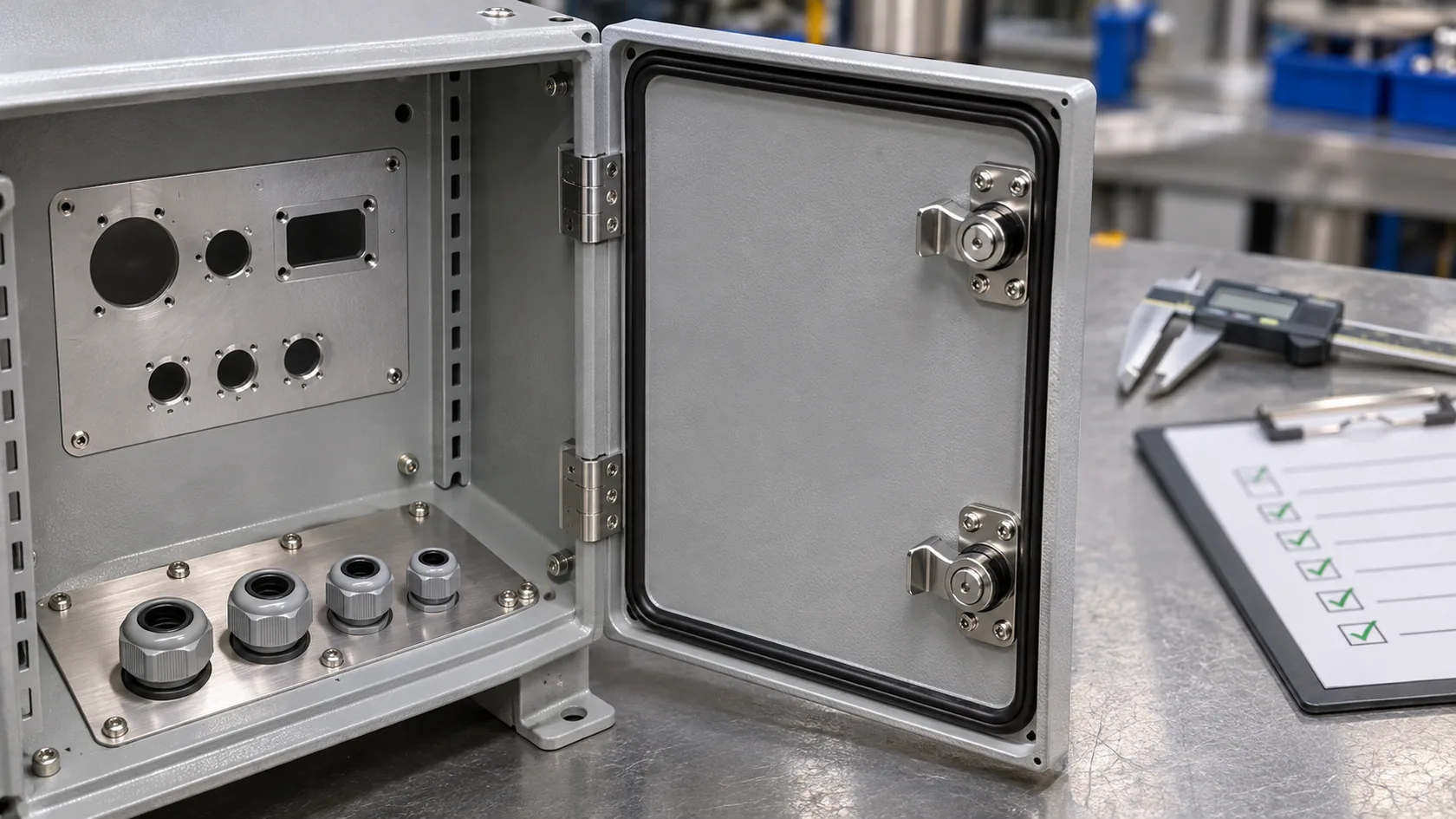
A Type requirement changes more than the enclosure body. It can affect cover geometry, gasket groove and compression, fastener or latch pattern, material system, surface finish, cable-entry method, connector selection, assembly controls, and the test configuration. The work becomes more involved when an enclosure must keep a stable seal while carrying a heavy door device, while its cable plate is full of penetrations, or while its surface sees corrosive cleaning.
Cost is concentrated at the boundary
| Design area | Why rating-by-number can add cost | Better early question |
|---|---|---|
| Door and cover | More demanding water exposure can require a controlled sealing land, suitable gasket, stiffness, and closure pattern | Where will water strike, and can the cover deflect under its fitted load? |
| Cable entry | Every gland, connector, conduit hub, or unused opening becomes part of the boundary | What cable outside diameters, entry directions, threads, and torque access are required? |
| Corrosion system | Shell, hardware, finish, cut edges, crevices, and dissimilar metals may all matter | What fluid, salt, cleaner, temperature, and maintenance cycle will the assembly see? |
| Submersion condition | Pressure and duration can expose weak joints or cable paths that a hose test does not | What liquid, depth, duration, orientation, and installed interfaces must be validated? |
| Validation | A testable finished configuration needs controlled components and a stable sample | Which production-intent build and acceptance condition are being compared? |
No one should promise a universal cost premium for one Type over another. A compact enclosure with two bottom-entry glands may be simple to configure, while a large multi-door unit with displays, antennas, and top-entry cables can be demanding even before its material is selected. Geometry and interfaces decide the work.
In production reviews, the most expensive changes are often not thicker sheet or a different label. They are late changes to a door seam, a gland plate, a connector cutout, or a finish after purchased parts already define the layout.
Those late changes commonly start with one of three mistaken comparisons.
The Three Expensive Misreads
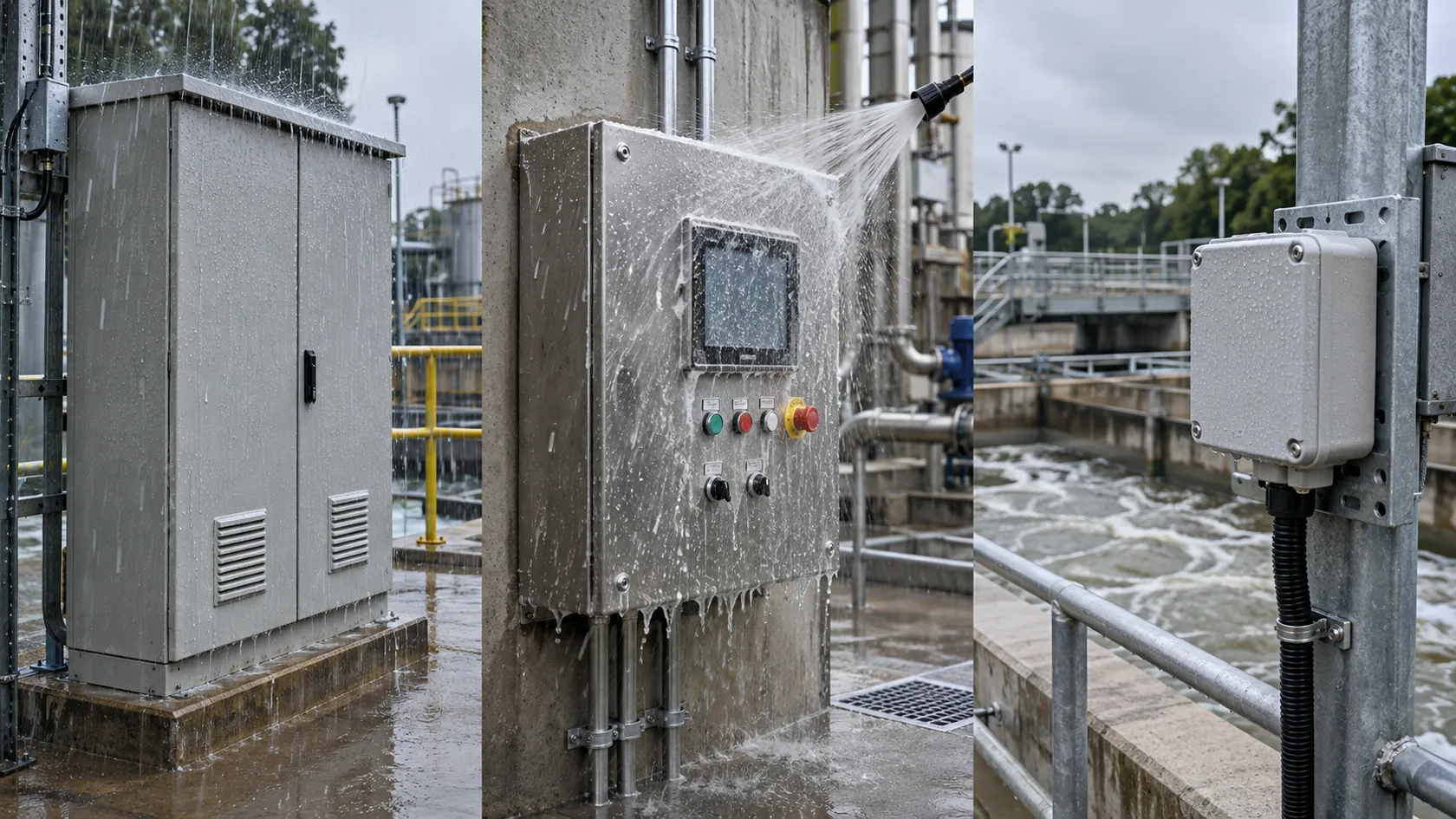
The label can hide the difference between rain, direct washdown, corrosion, and prolonged immersion. The following table is a buying guide, not a certification statement. The required Type and the actual finished equipment must still be confirmed for the applicable market and product route.
Match the risk, not the sales shorthand
| If the project says | Ask this before choosing | Cost of overbuilding | Cost of underbuilding |
|---|---|---|---|
| “Outdoor, so make it 4X or 6P” | Is it rain, windblown dust, salt, washdown, or a true flooding event? | A complex material/sealing package that creates no added value | Leaks, corrosion, or a weather-exposed assembly that was never designed for its real water path |
| “4X means stainless” | Which chemicals, chlorides, temperatures, hardware, and crevices are present? | Unnecessary weight, fabrication complexity, or the wrong expensive metal | Early attack at welds, hardware, cut edges, or incompatible gasket/finish areas |
| “6P is the safest outdoor choice” | What prolonged depth, duration, liquid, pressure change, and cable route are specified? | A harder-to-service sealed design with added thermal and validation work | Water enters through a cable, connector, or seal not designed for the actual immersion condition |
Type 4X is not simply “Type 3 plus a better metal.” The X adds corrosion resistance to the Type 4-style environmental intent; it does not name a particular material or guarantee compatibility with every chemical. Likewise, Type 6P should not be used as a trophy for outdoor durability. It describes a defined submersion need, not a blanket answer for any harsh location.
I have more confidence in a modest enclosure requirement with a precise exposure note than in a high Type written alone. The first gives engineering something to design and validate; the second often gives everyone room to make a different assumption.
The first assumption to test is whether the enclosure body is the whole environmental boundary.
The Finished Assembly Can Cancel the Upgrade
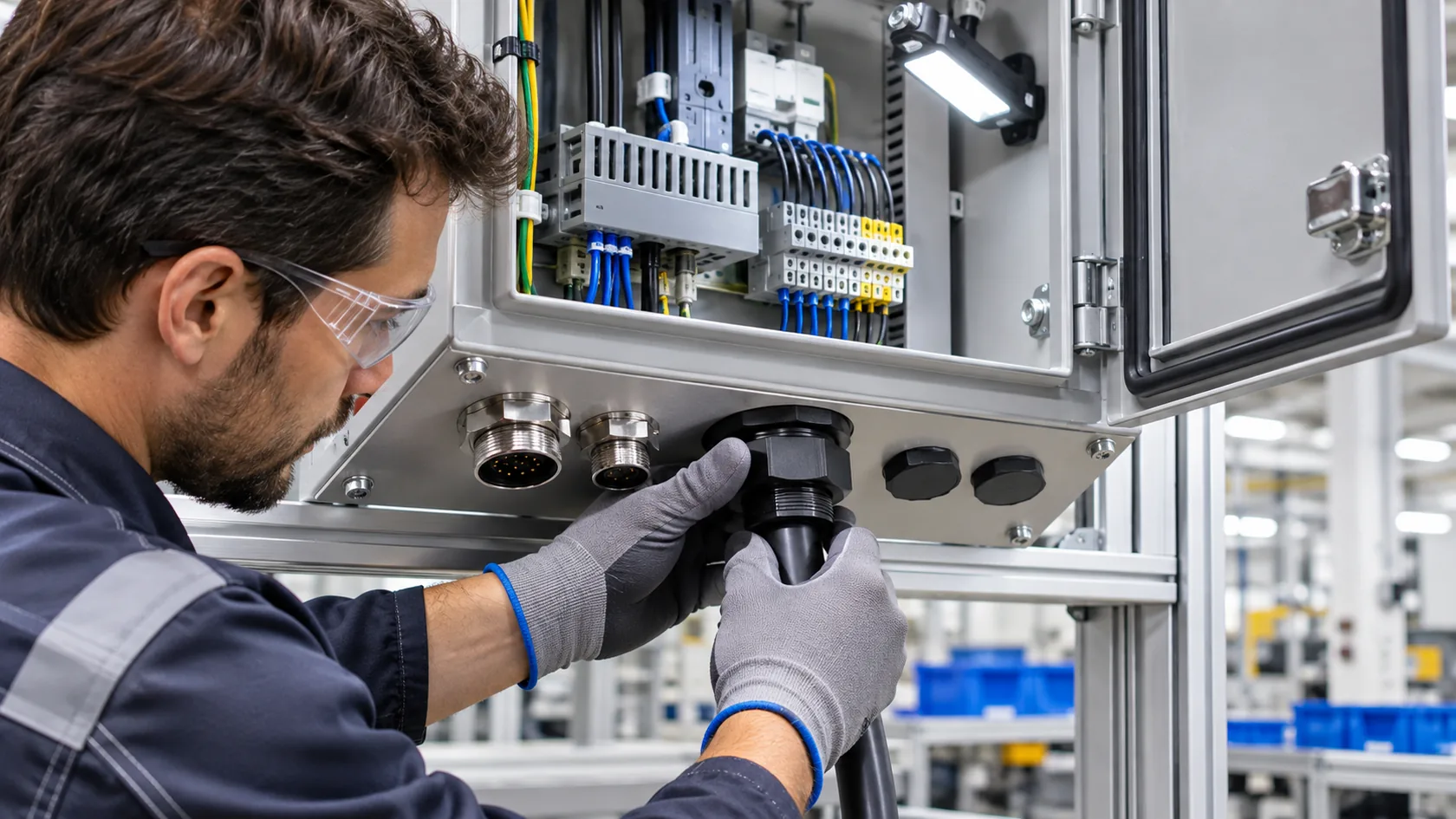
The protection target belongs to the installed assembly. A bare housing may have a suitable construction, but the cover gasket, latches, cable glands, connector flanges, viewing window, pressure-equalization device, drain, unused-hole plugs, mounting penetration, and service access determine where the boundary can fail.
Review the interfaces in their real orientation
- Specify the cable outside-diameter range, thread or hole system, wall thickness, sealing element, and installation torque for each entry.
- Keep water paths visible on the drawing: a top-facing cable entry and a bottom-facing cable entry are not the same design problem.
- Check that a door, hinge, latch, or mounted HMI does not unload the gasket at a corner when it is in service.
- Treat vents and drains as environmental components with an installed orientation and validation requirement, not as universal fixes for heat or condensation.
- Control unused cutouts and future options; a missing plug or an improvised field hole can defeat a carefully specified enclosure body.
NEMA's enclosure guidance notes that field-installed components can limit the system to the least severe relevant component. That is why an enclosure upgrade can disappear on the production floor if the selected gland, connector, or window is not appropriate for the finished condition.
When I review a custom layout, I spend more time on penetrations than on the number engraved on the label. One poorly controlled entry can make an expensive shell irrelevant, while a well-planned entry plate can prevent a major redesign.
That same boundary decision also changes the temperature and service behavior of the product.
Higher Sealing Has Thermal and Service Costs

Better control of water and dust can reduce unintended airflow. That may be necessary, but it also means internal heat, solar gain, mounting surface, component limits, and temperature cycling need to be considered together. A sealed enclosure is not automatically a cool enclosure, and it is not automatically free from moisture problems inside.
Design the side effects deliberately
| Requirement choice | Connected engineering question |
|---|---|
| Tighter cover and cable sealing | How will heat leave the enclosure without creating an uncontrolled penetration? |
| Outdoor material and finish | How will UV, standing water, cut edges, galvanic contact, and service damage be controlled? |
| Conductive grounding or EMC interface | Does coating or anodizing interrupt the intended bond, and is the interface protected from corrosion? |
| Flood or washdown exposure | Can the unit be opened, dried, inspected, and resealed safely after service? |
NEMA 250 is explicit about a useful boundary: it does not cover internal condensation or conditions that can enter through conduit or unsealed openings. That does not make the standard less valuable; it means the buyer must add the thermal and installation requirements that the rating alone cannot provide.
My practical preference is to establish the heat path before adding a vent late in the program. A vent can be appropriate in a validated design, but it is another component that must agree with the environmental target, placement, and maintenance reality.
With those linked effects on the table, an RFQ can become a controlled technical request instead of a rating guess.
Make the RFQ Carry the Real Requirement
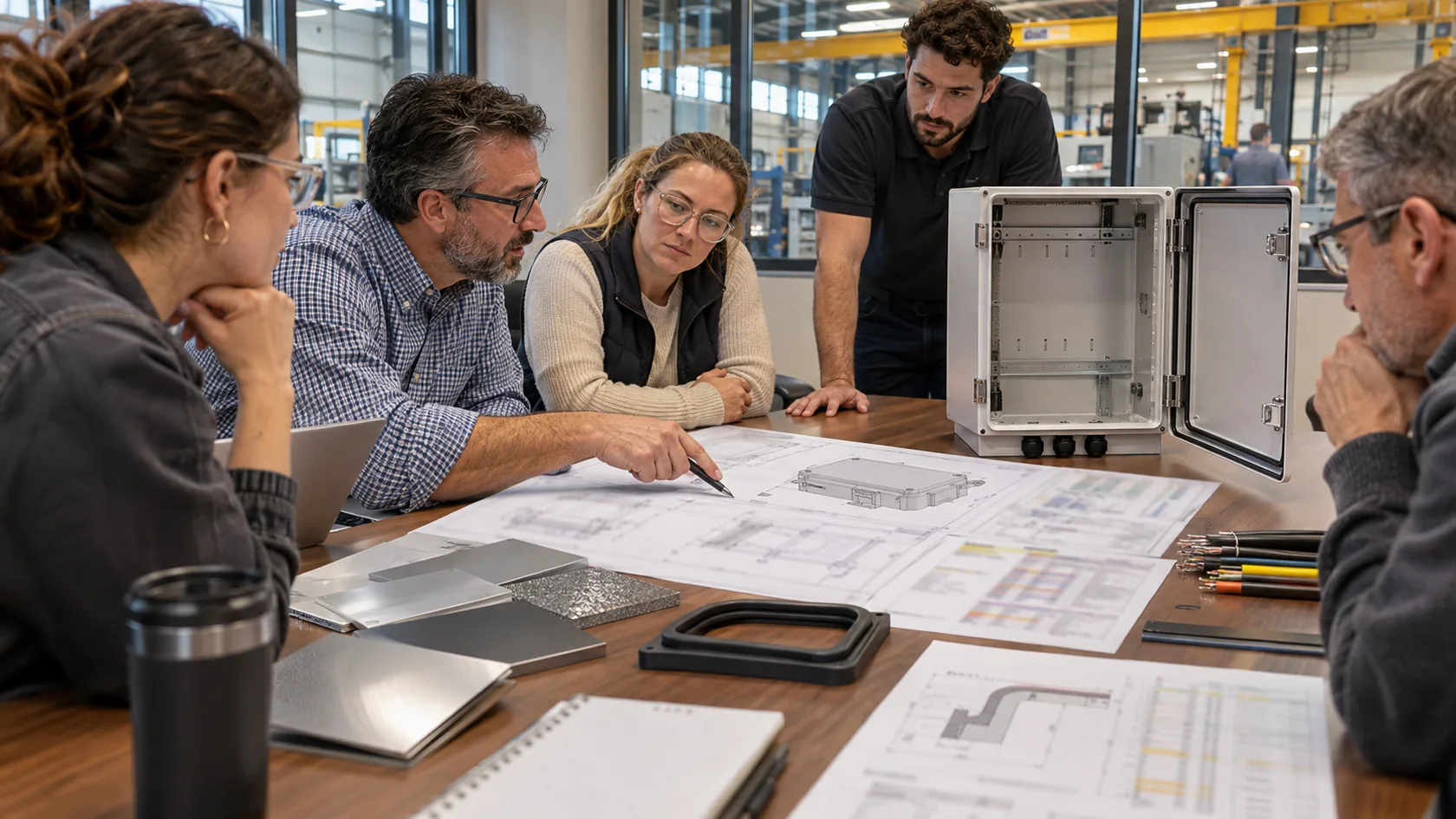
A clear RFQ lets suppliers quote the same finished condition and lets the buyer compare more than the shell price. It also creates a useful record before tooling, fixtures, component purchase, or first-article testing begins.
Include these items with the proposed NEMA Type
- State the requested Type, target market, and any listing, test, or approval route that governs the product.
- Describe the installation: indoor/outdoor, mounted orientation, rain path, windblown dust, direct sun, UV, ambient range, and drainage.
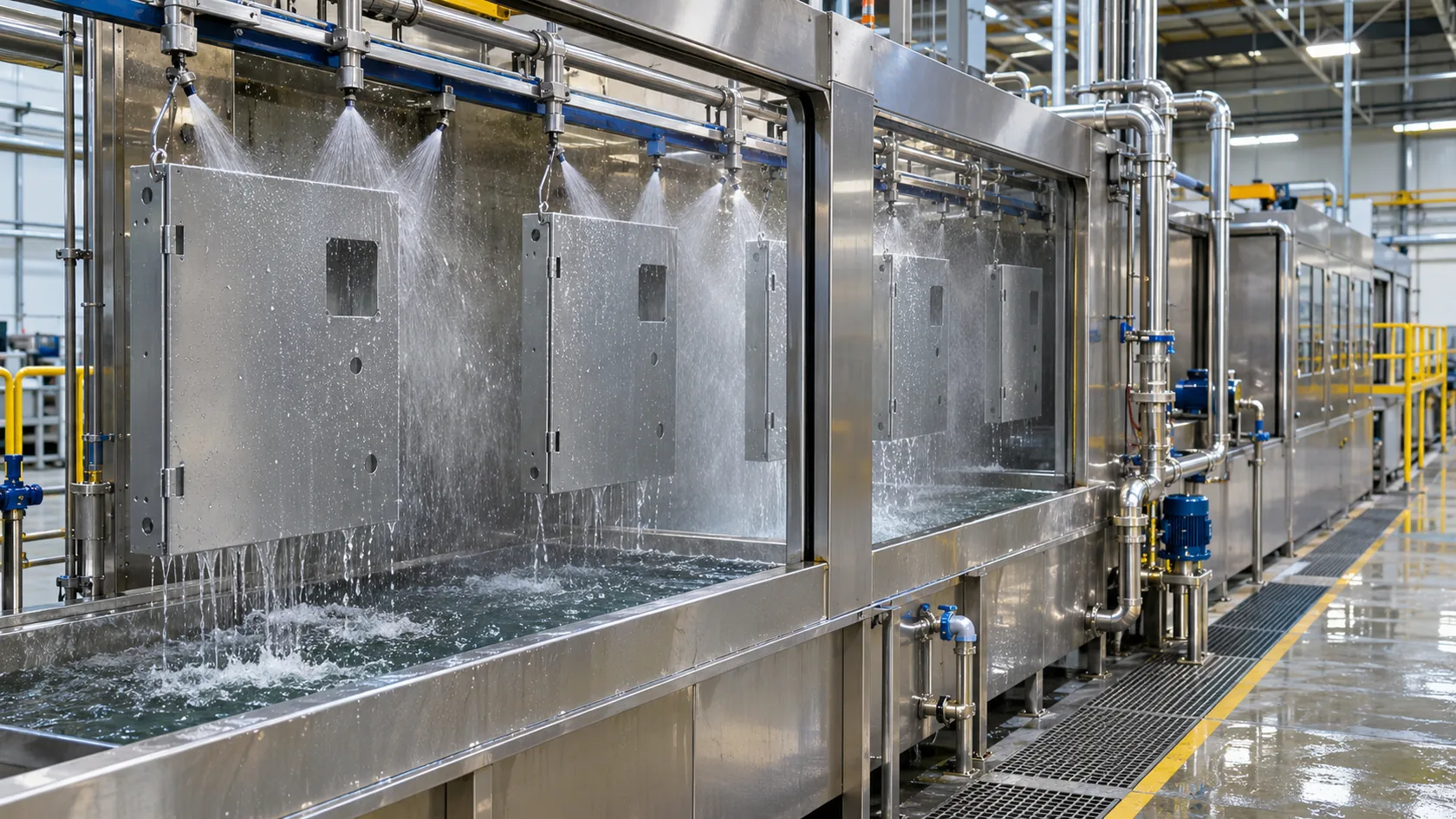
- Describe water exposure precisely: splash, hose direction, cleaning liquid, frequency, temperature, and any flood or submersion depth and duration.
- Identify corrosion inputs: salts, chemicals, concentration where known, contact time, cleaner, dissimilar-metal joints, and maintenance access.
- List every penetration and fitted component: cables, glands, conduit, connectors, windows, HMI devices, antennas, vents, drains, and unused openings.
- Provide internal heat load, grounding/EMC needs, material/finish preferences, and any special service or recovery procedure.
- Define the production-intent sample, installed test configuration, acceptance criteria, and changes that require revalidation.
For international projects, avoid writing an IP code as if it were a direct replacement for a NEMA Type. IEC 60529 defines the IP Code, while NEMA Types include a different set of application considerations. NEMA's IP-to-NEMA comparison guidance warns against treating the comparison as a reverse one-to-one conversion.
I would rather receive a short, complete exposure brief than a long specification with only a rating number. It enables a factory to check seal paths, components, manufacturability, and test scope before a weak assumption reaches production.
The final comparison should therefore use total risk, not a catalogue price alone.
Compare Total Risk, Not Just Enclosure Price

The right decision is usually the least complex enclosure system that honestly covers the defined exposure and can be maintained in its installed condition. That does not mean choosing the lowest Type by default. It means releasing a requirement only after the water path, corrosion mechanism, submersion condition, heat path, and all penetrations are visible.
Use one early decision rule
| Situation | Direction to investigate | Decision still required |
|---|---|---|
| Outdoor controls with weather and dust but no washdown or defined corrosive environment | NEMA 3 may be a starting point | Mounting, drainage, cable direction, material/finish durability, and thermal load |
| Outdoor or indoor washdown with a defined corrosive exposure | NEMA 4X may be a starting point | Fluid/cleaner compatibility, material system, hardware, gasket, and installed components |
| A location with a defined prolonged-submersion event at limited depth | NEMA 6P may be a starting point | Depth, duration, liquid, pressure, cable system, heat, service, and validation configuration |
Comparing like-for-like quotations is essential. Ask each supplier to identify what the price includes for gaskets, hardware, openings, fitted entries, finish, assembly assumptions, and validation sample. A lower base enclosure price can be misleading if the critical seal or corrosion details have been excluded. A higher price is no proof of protection if the configuration is not documented.
After nine years of custom enclosure work, I find that early questions save more cost than late upgrades. A rating is valuable when it records a real environmental decision; it is expensive when it becomes a substitute for one.
That is the practical distinction to carry into the final specification.
Conclusion
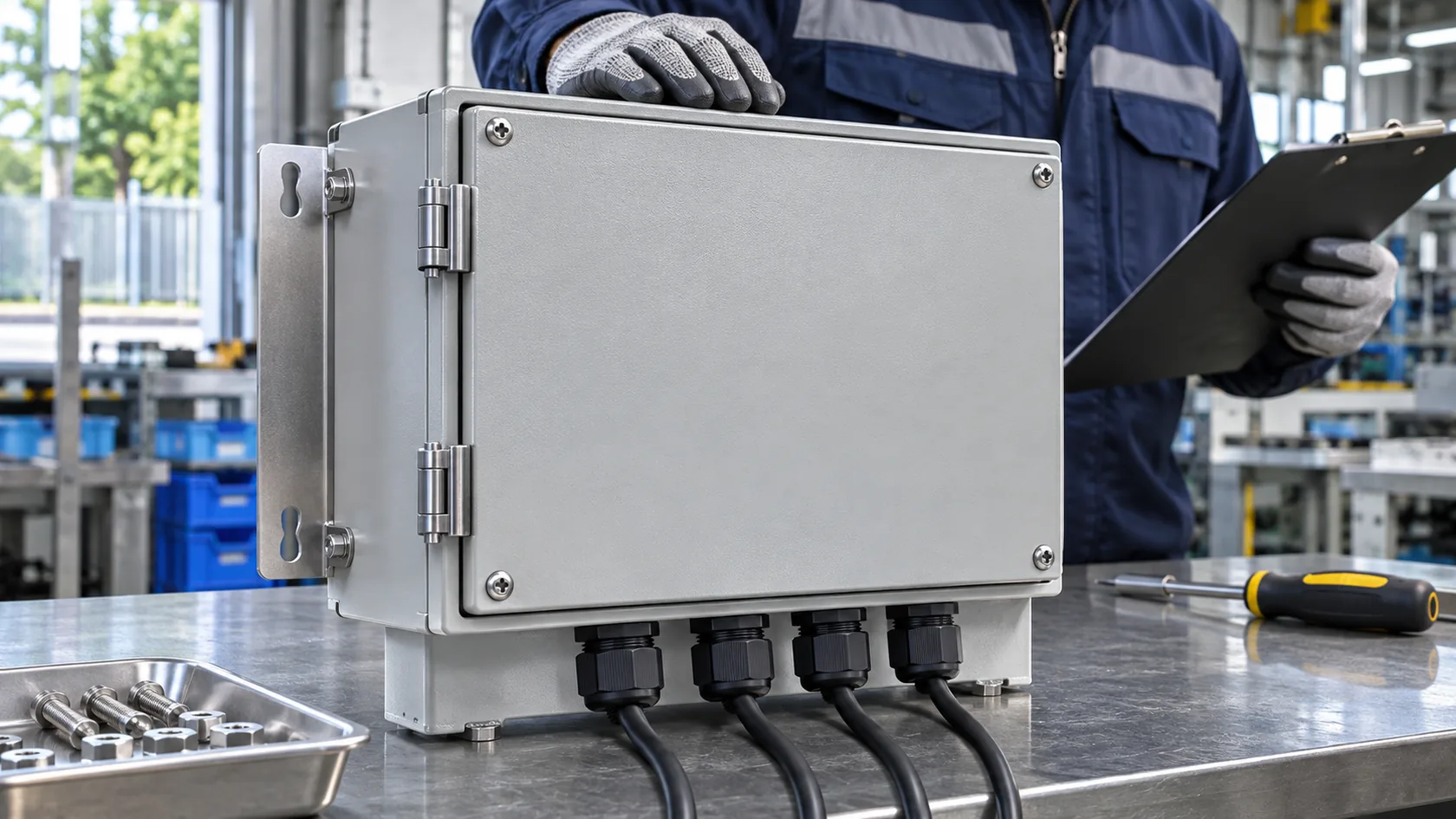
NEMA 3, 4X, and 6P should not be bought like three price tiers. Type 3 can suit a defined outdoor-weather condition. Type 4X can be the right direction for hose-directed water and corrosion resistance. Type 6P can be necessary when prolonged submersion at a limited depth is a real, defined event. Each choice creates different design, material, interface, thermal, service, and validation work.
My experience is that the most economical enclosure is the one whose rating agrees with its installation and completed assembly. Before you release a custom enclosure, send MaidaTech the mounting direction, cable and connector schedule, water/cleaning exposure, corrosion details, internal heat load, and any immersion condition. We can review the seam, entry, finish, and manufacturability before a rating number turns into an avoidable cost.